Sea Teacher- Angelicel Gutierrez


madrasah aliyah negeri
Exceptional schools nurture exceptional students.

.png)
.png)

practicum school profile

Madrasah Aliyah Negeri (MAN) 1 Kendari was transferred from the Kendari State Islamic Boarding School (PGAN) based on Decree of the Minister of Religious Affairs of the Republic of Indonesia Number 64/1990 on April 25, 1990. This Madrasah is the only Madrasah Aliyah in Southeast Sulawesi entrusted with the responsibility of being a Model Madrasah Aliyah and has evolved over time into a Madrasah Aliyah of Excellence and Dignity.
The curriculum at MAN 1 Kendari was developed as a guide for teachers in implementing the teaching and learning process, as well as guiding teachers in developing student abilities and equipping students with life skills to face the challenges of the times, taking into account individual student characteristics and the socio-cultural potential of the community at the regional and national levels. Therefore, the curriculum development involved the madrasah community in coordination with stakeholders at MAN 1 Kendari. It is hoped that the community will no longer underestimate the role of madrasahs for their children and instead prioritize them as the right place for their children.
In this regard, it can be seen that public interest in entrusting their sons and daughters to MAN 1 Kendari has increased significantly each year. In this regard, the leadership, teachers, and all components of MAN 1 Kendari are doing everything they can to prove that madrasahs are indeed the right choice for parents to send their children to school in this era of globalization. The author spoke with students and asked them why they chose MAN 1 Kendari as a place to study. Their answers varied. Some chose it because, in addition to general subjects, they also wanted a more in-depth understanding of religious subjects. Others chose MAN 1 Kendari because it had a Ma'had (dormitory) where they could live.
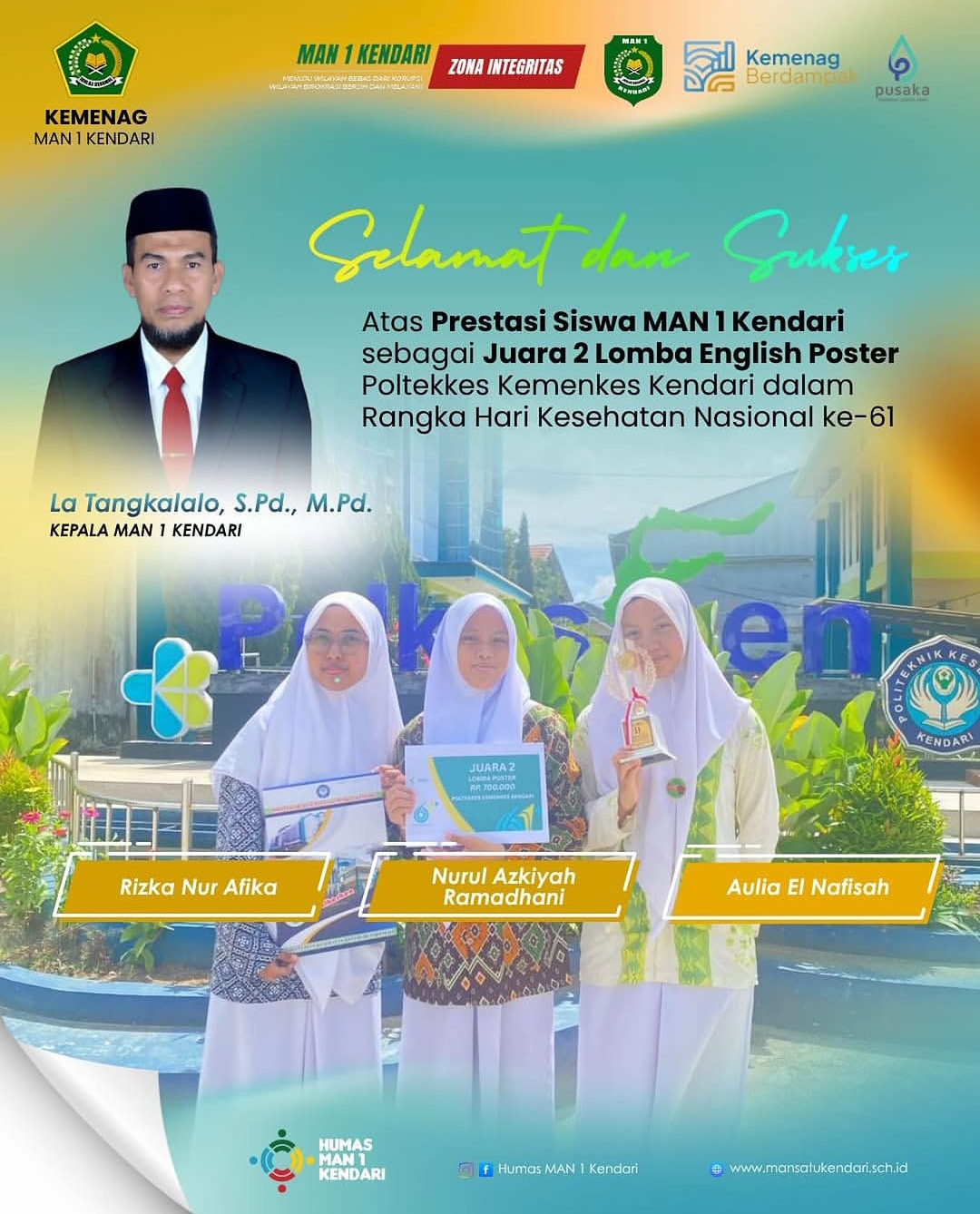
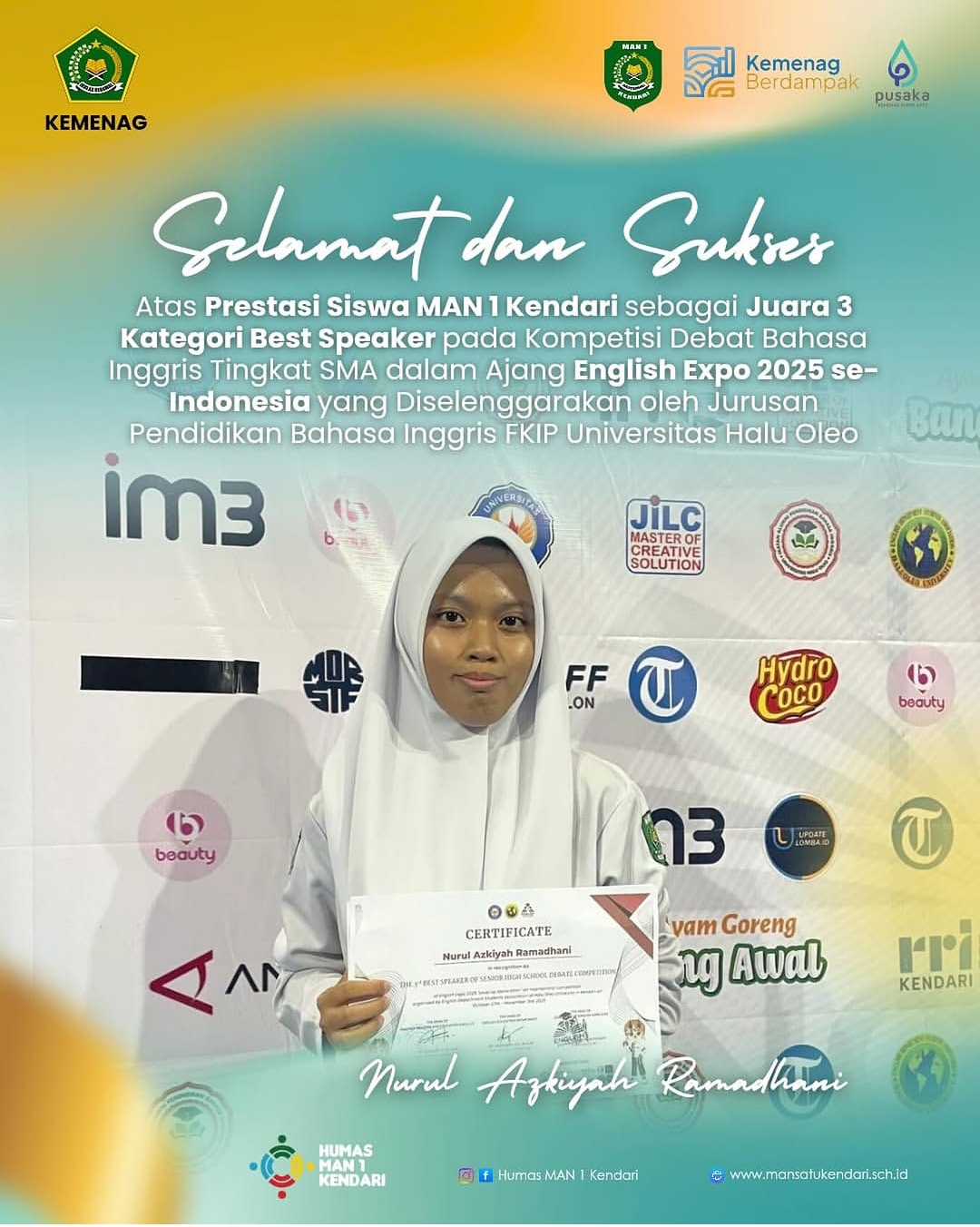
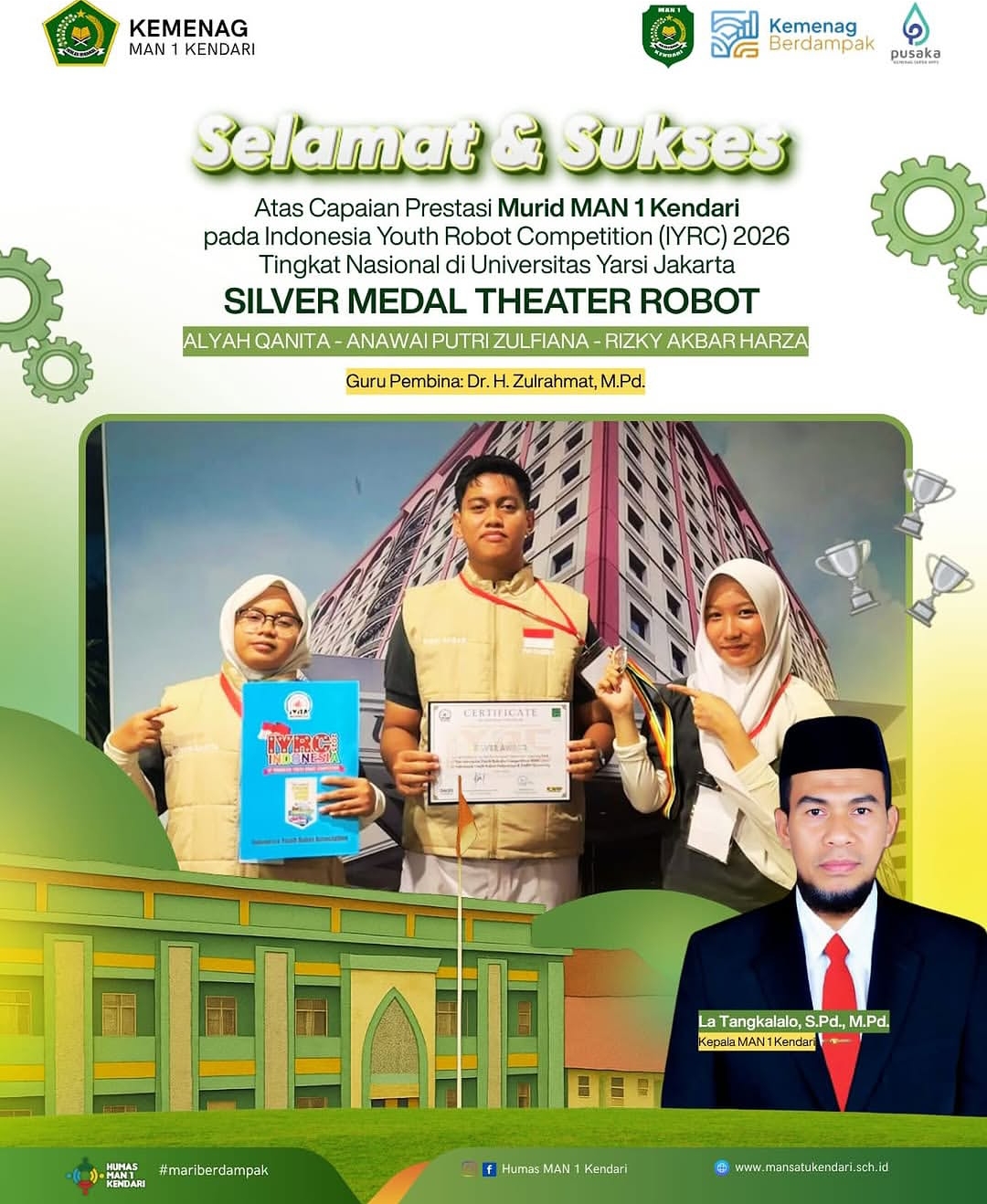
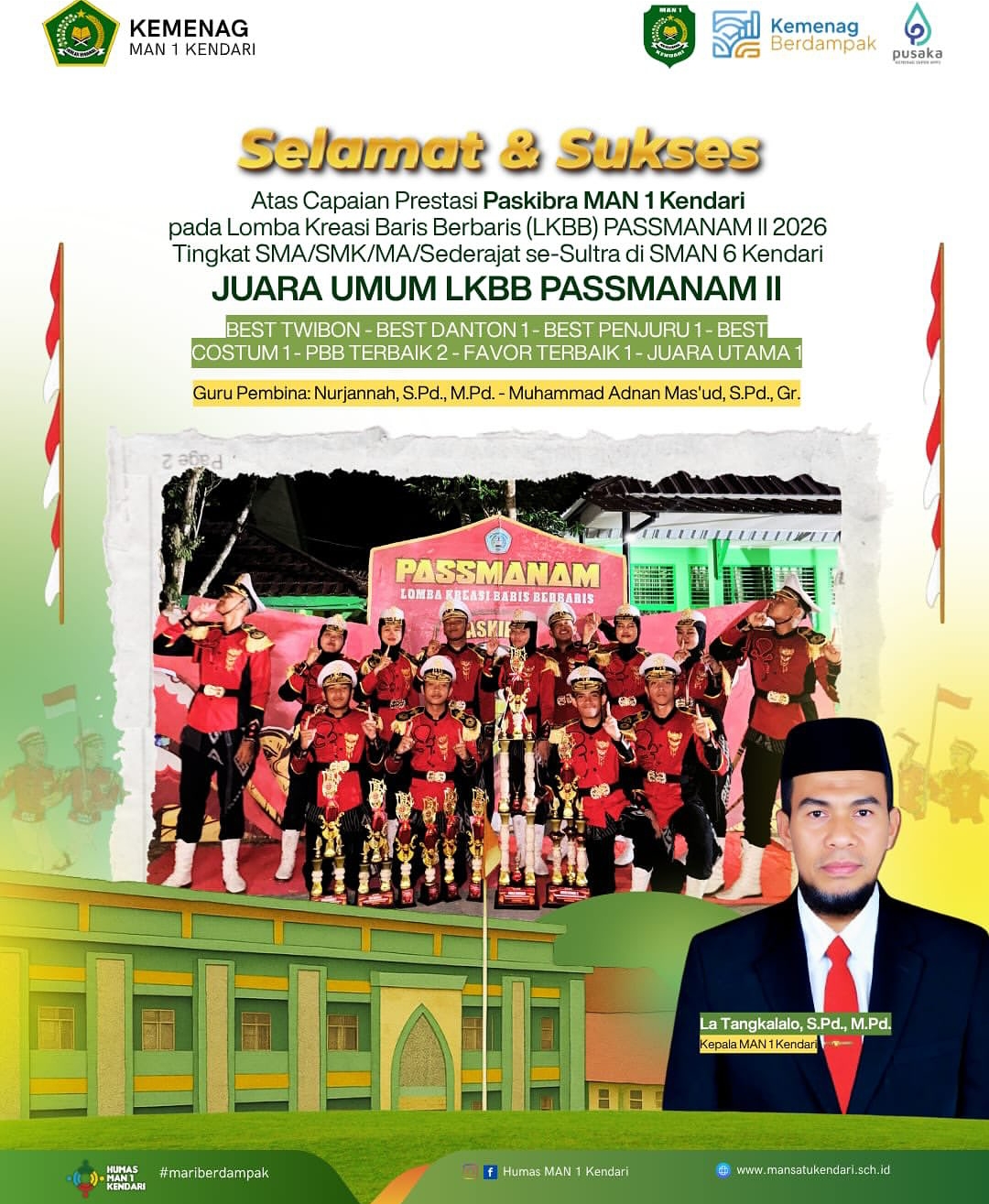
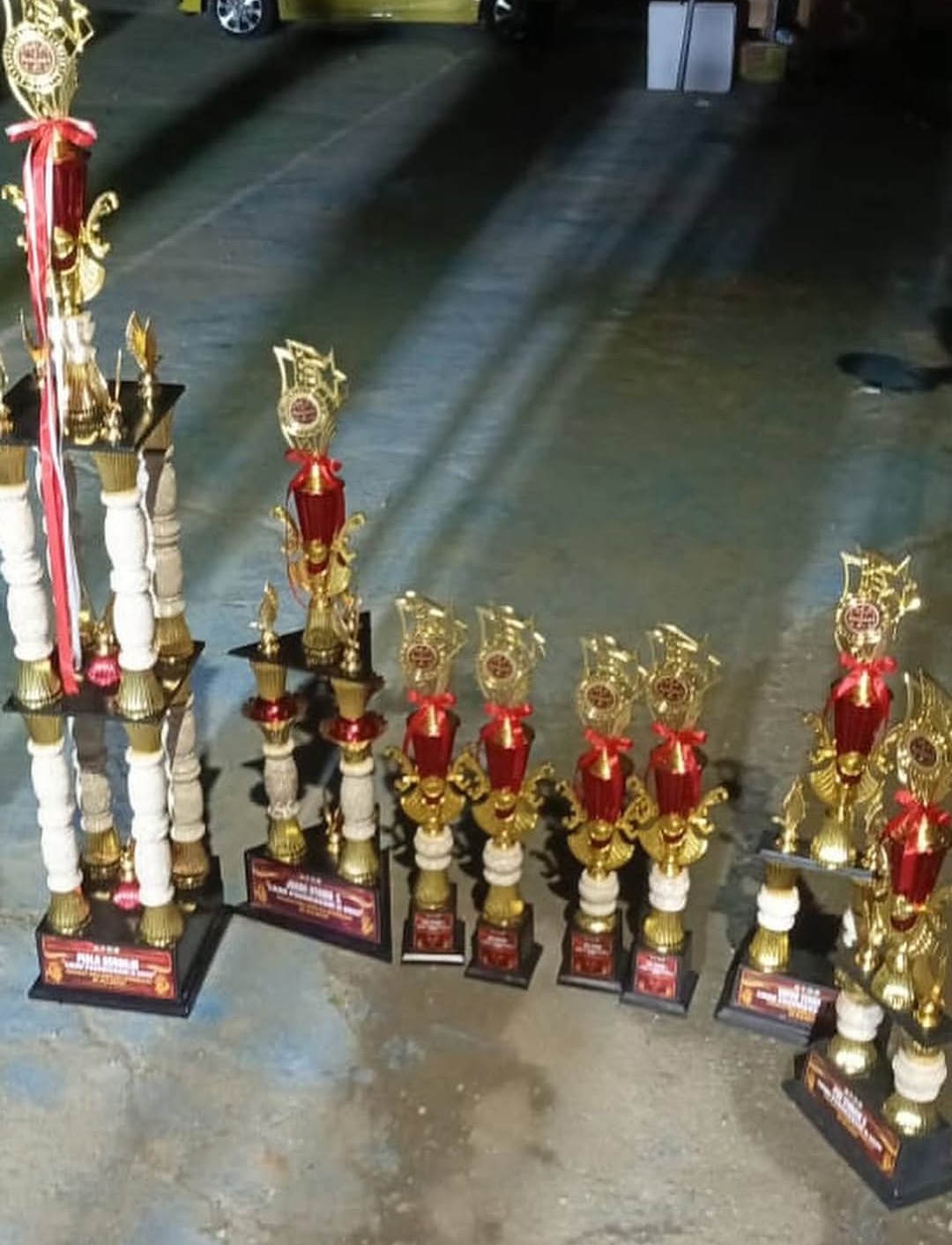
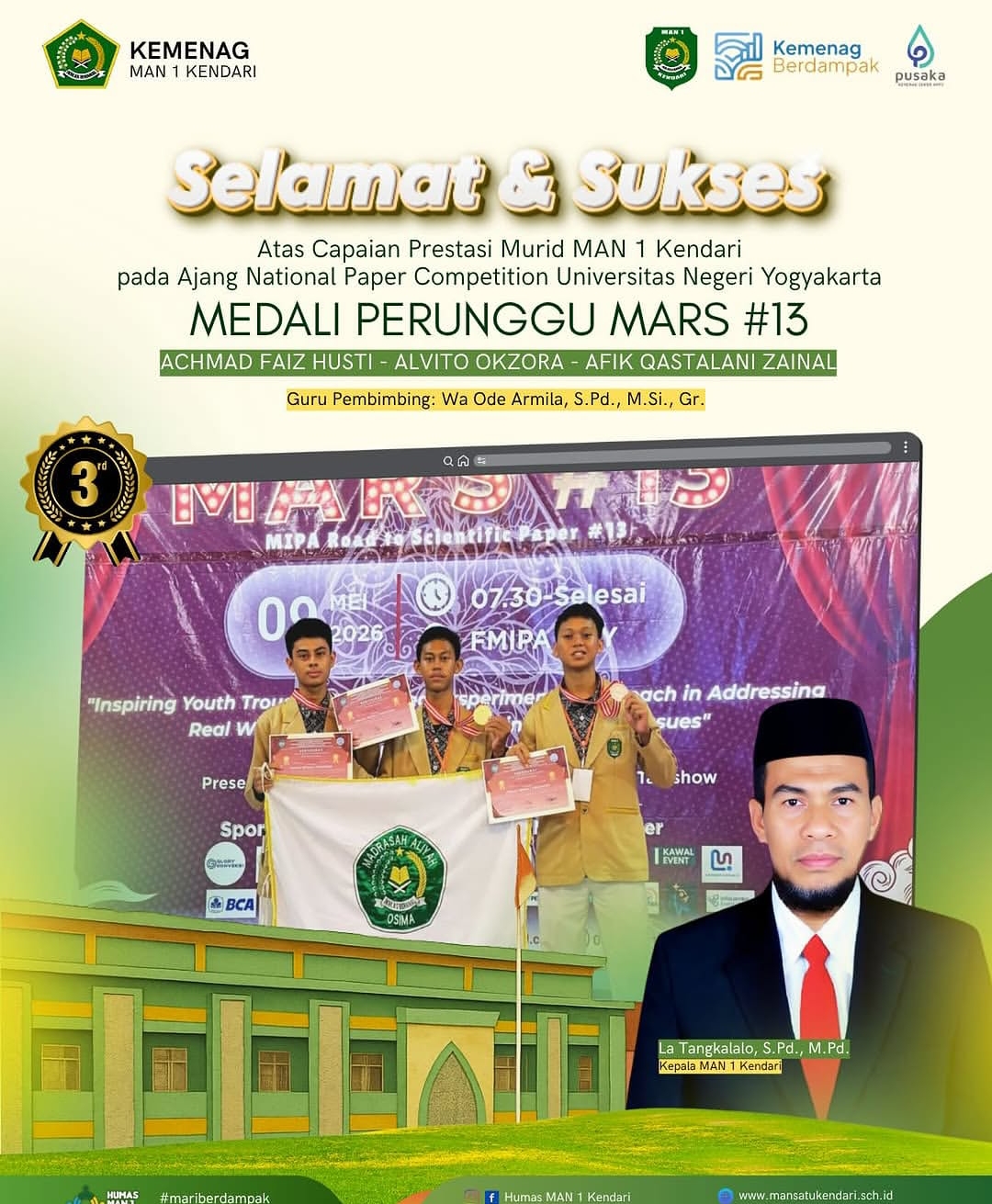
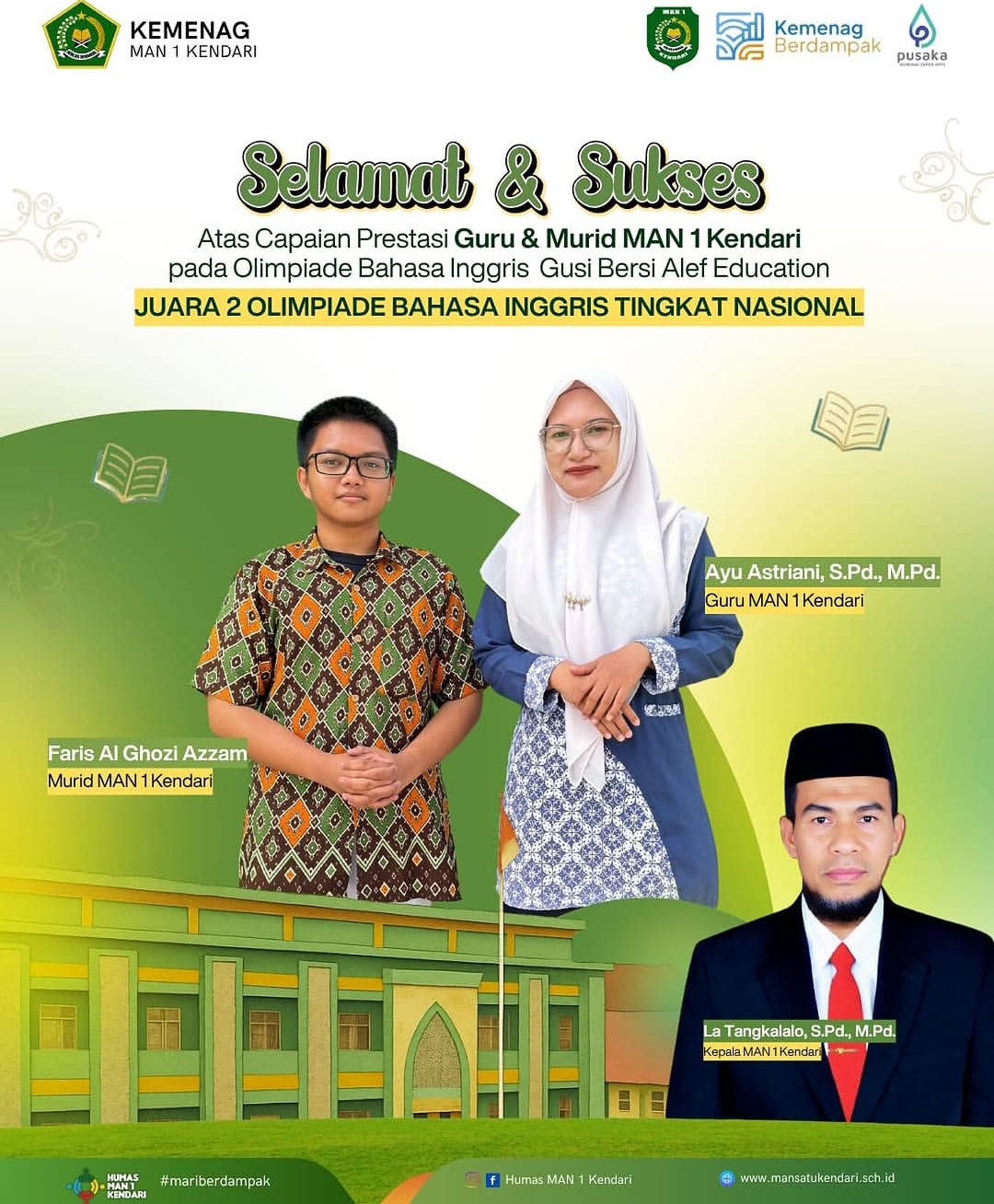
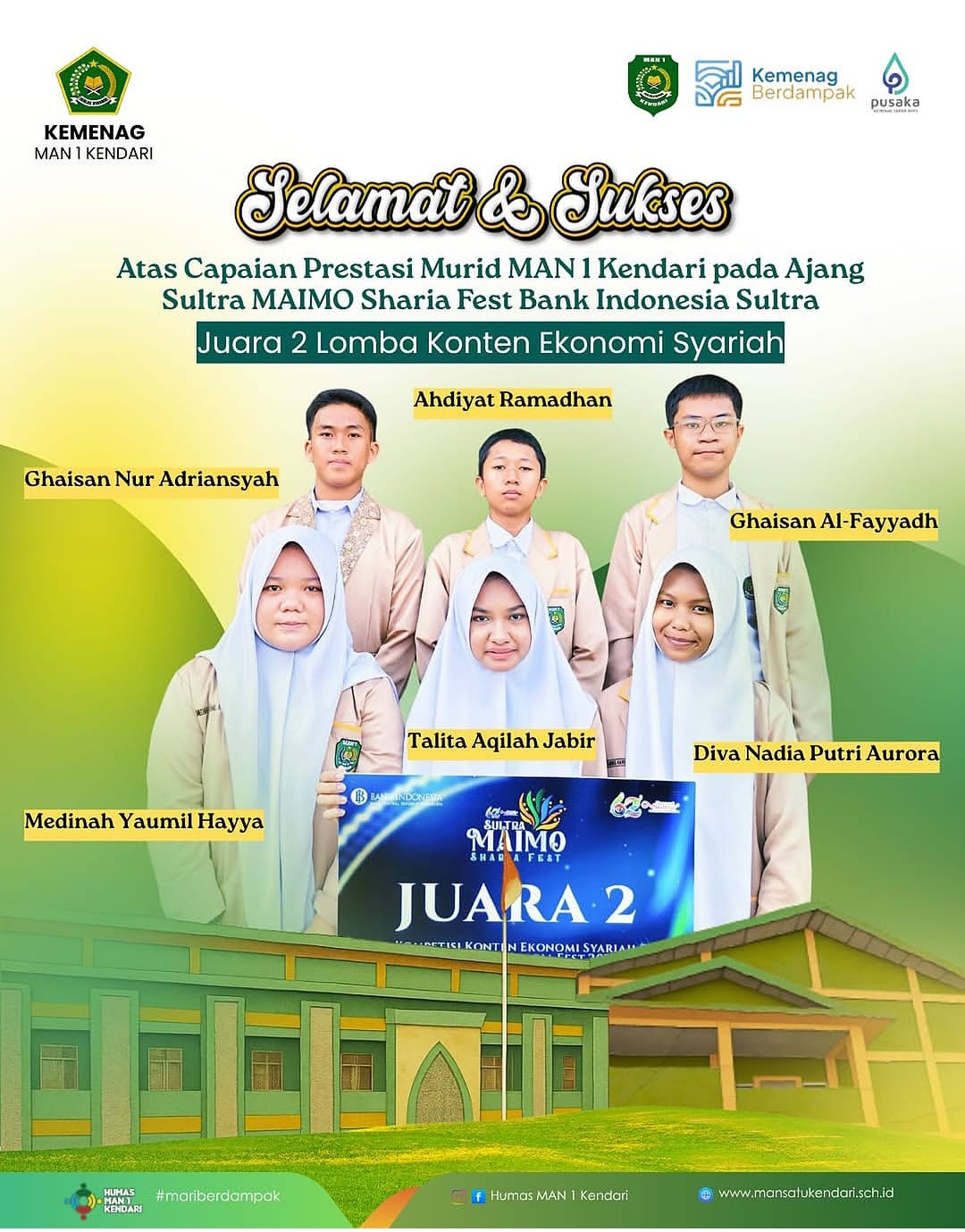
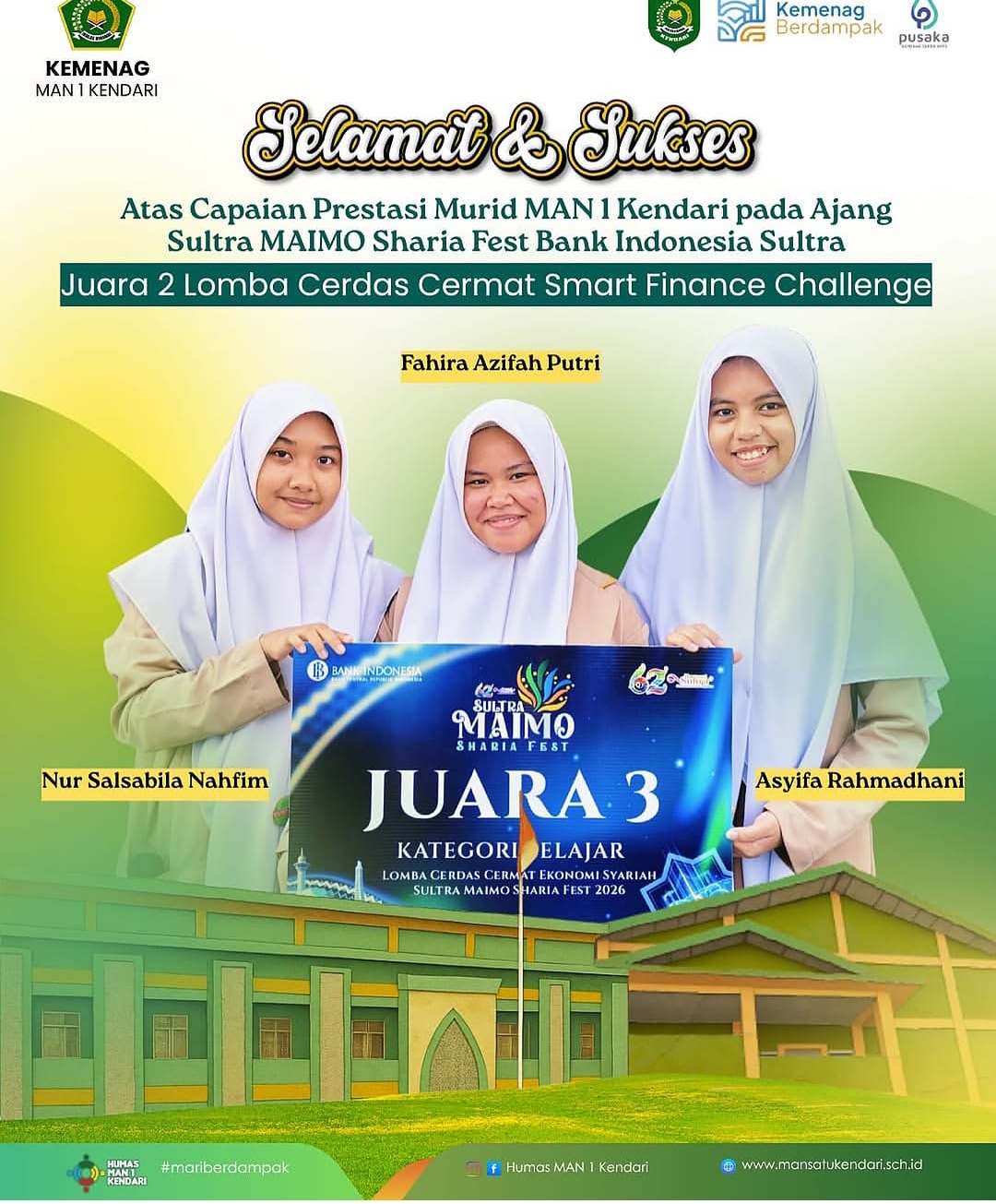
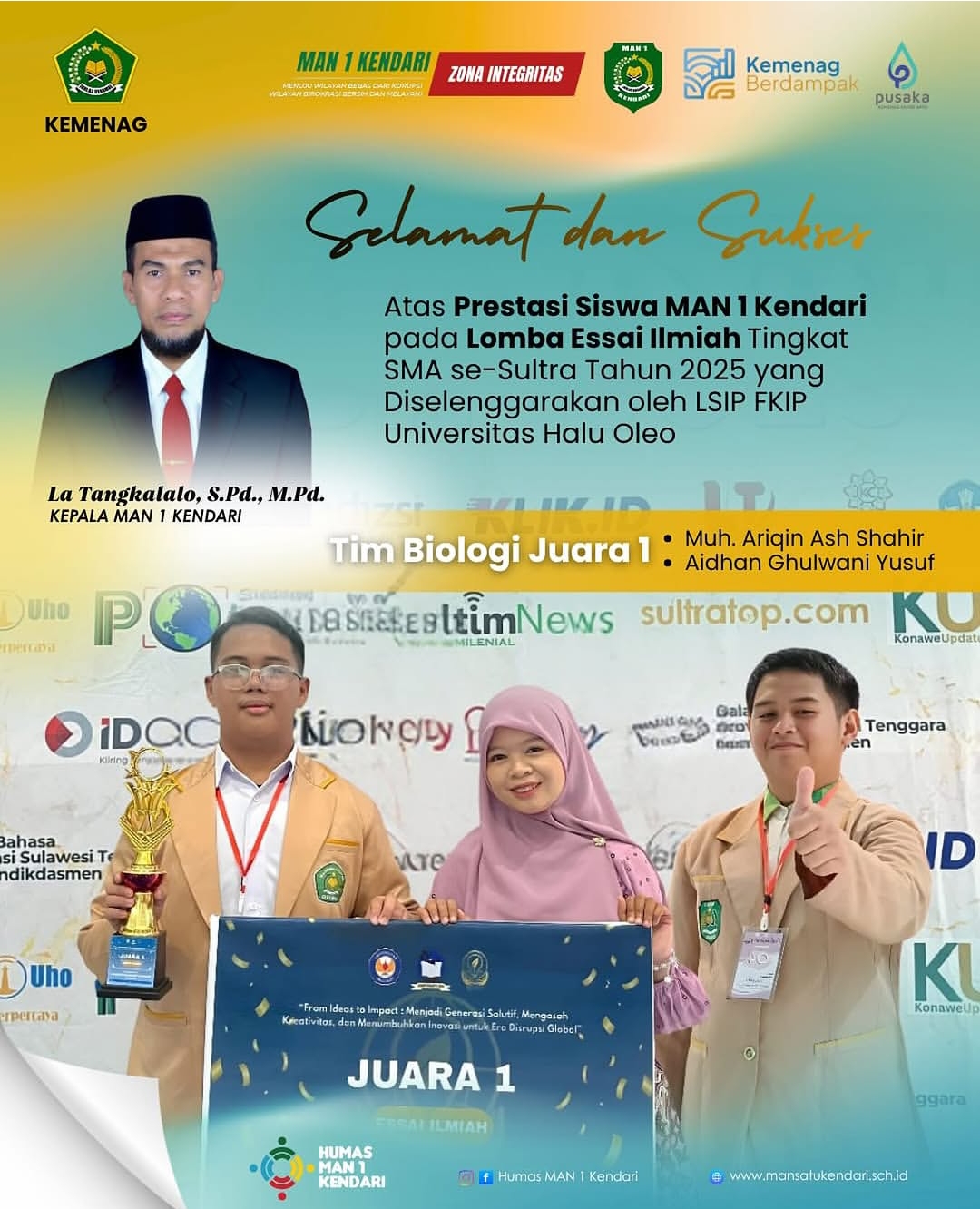
Another surprising aspect was that they chose MAN 1 Kendari because of the wide selection of extracurricular activities. Extracurricular activities are non-formal activities that students engage in outside of school hours. Extracurricular activities at MAN 1 Kendari include science (MIPA Olympiad), Social (Subject Competitions and Youth Scientific Works), Technology (Robotics & IT), Community (Scouts, PMR, UKS, SISPALA, Majelis Ta'lim, Da'wah, PASKIBRA, PIK-KRR, Marching Band), Sports (Football, Badminton, Futsal, Basketball, Table Tennis) and in the field of English Language Club (NECC), and Arts (Nasyid, Qasidah, Syarhil Qur'an, Dance, Poetry, and Film).
vision & mission

WHAT'S UNIQUE IN MAN 1, KENDARI?







We never felt like foreigners. Despite differences in language, nationality, and culture, we were embraced as part of MAN 1’s big family. They gave us warmth when we missed home, comfort when we felt overwhelmed, and love when we needed it most. Our one‑month stay was more than an internship — it was a shared connection worth remembering.
vision
Islamic, Excellent, Populist, Competitive and Environmentally Aware State Islamic High School 1 Kendari
MISSION
1. Instilling Islamic values and national cultural character in learning as a source of wisdom in action.
2. Implementing Islamic-oriented learning
3. Implement environmentally conscious learning (clean, religious, polite, green and beautiful).
4. Improve the knowledge and professional skills of teaching and education staff in accordance with the developments in the needs of the world of education.
5. Improve students' knowledge and skills, both academic and non-academic, in accordance with the demands of the world of education.
6. Develop students' talents and interests
7. Disciplined living habits for madrasa residents in accordance with the code of ethics and teacher regulations and student regulations.
8. Improve services, especially for madrasa residents and the community in general.
9. Compete in academic and non-academic fields at regional, national and international levels.
10. Producing competitive graduates in state and private universities.
Students show respect to teachers' hand‑kissing gesture. This is called, "Salim". Salim is the act of kissing hand, from students to teachers, of the same gender. It is customary in Indonesian muslim community for students to show respect to the teachers. Boys to male teachers, girls to female teachers. Of the opposite gender, students would put their hands together, since opposite sex ought to not touch each other.
respect for teachers

HOSPITALITY TO VISITORS
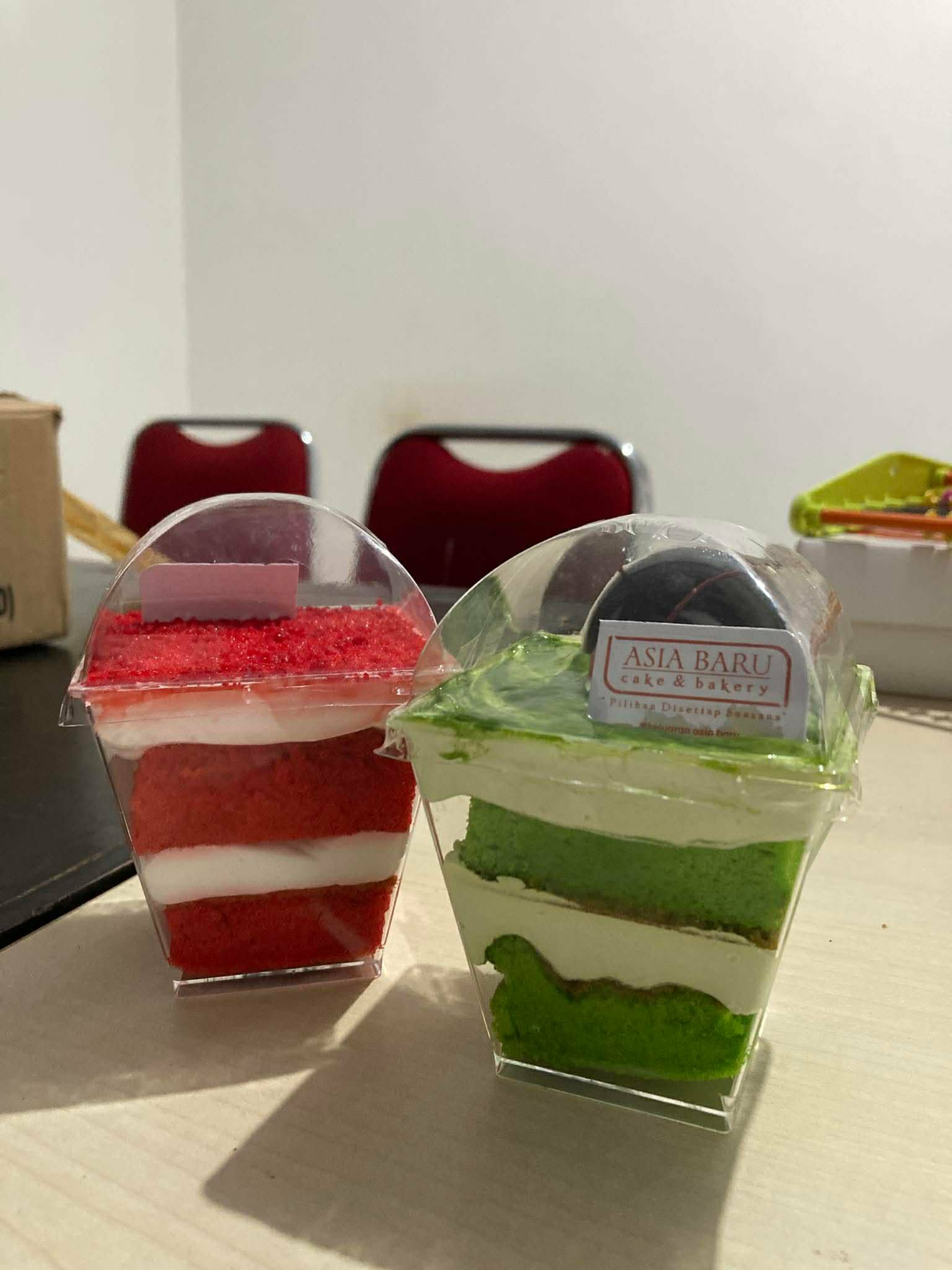
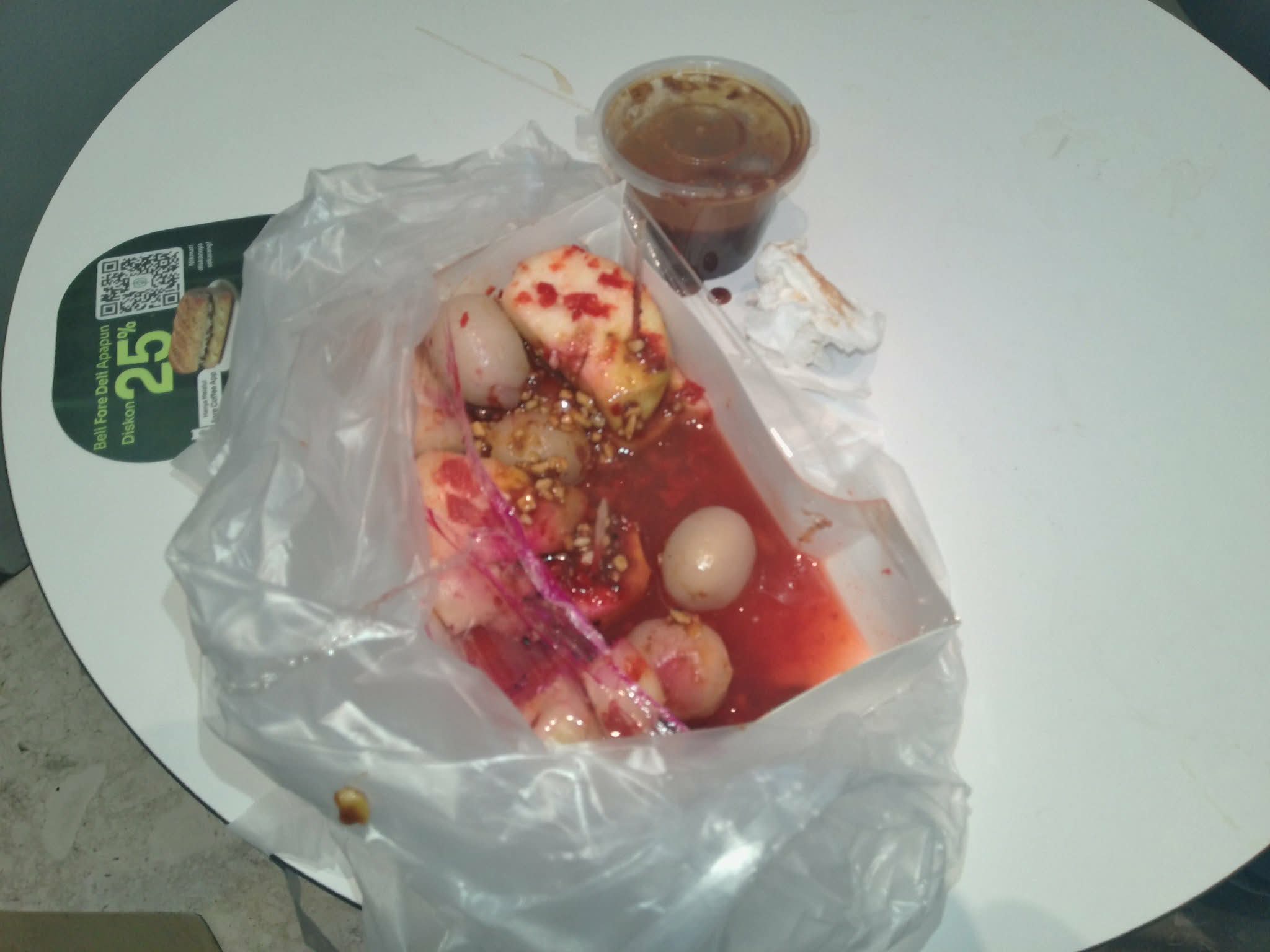
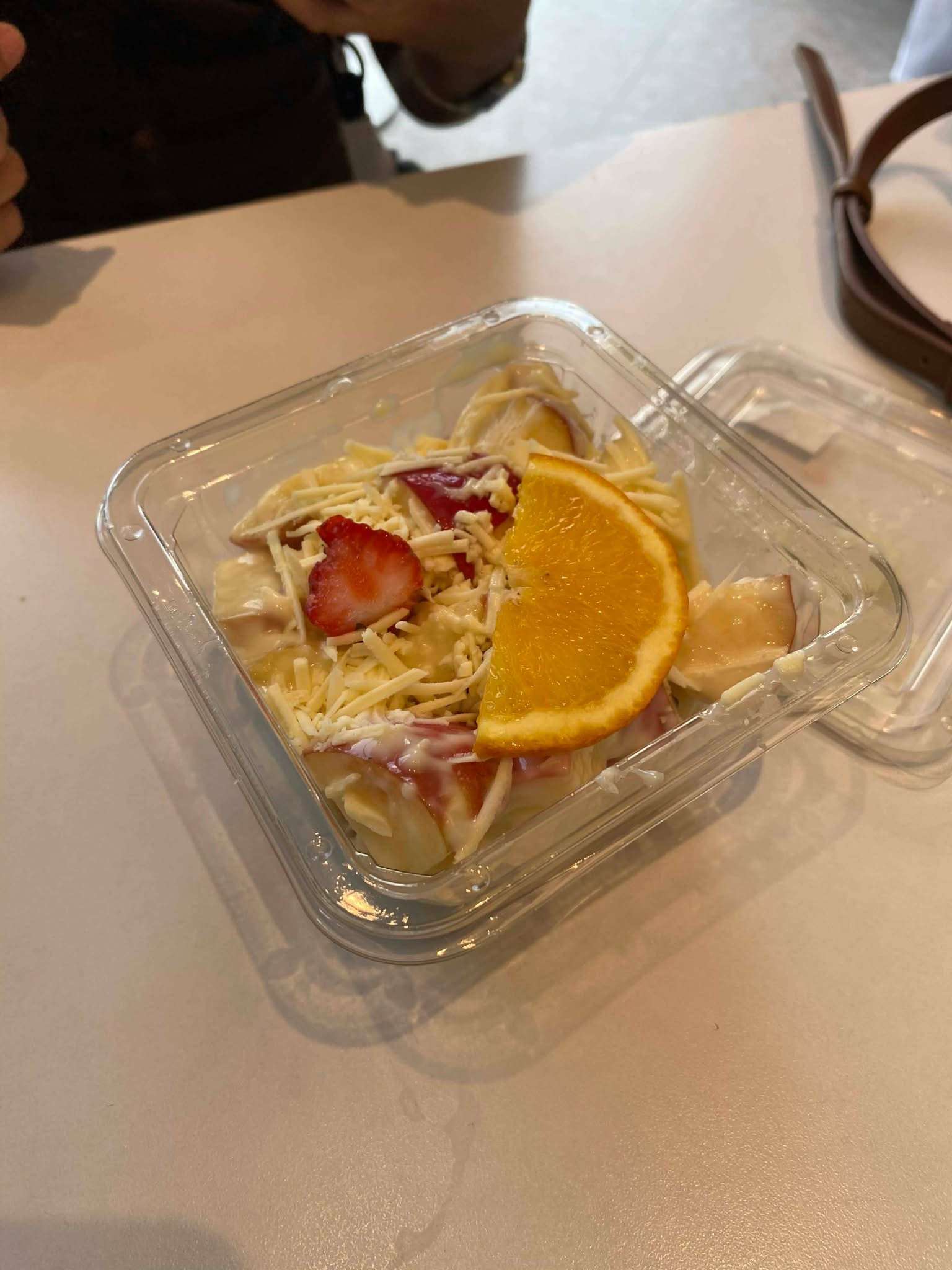
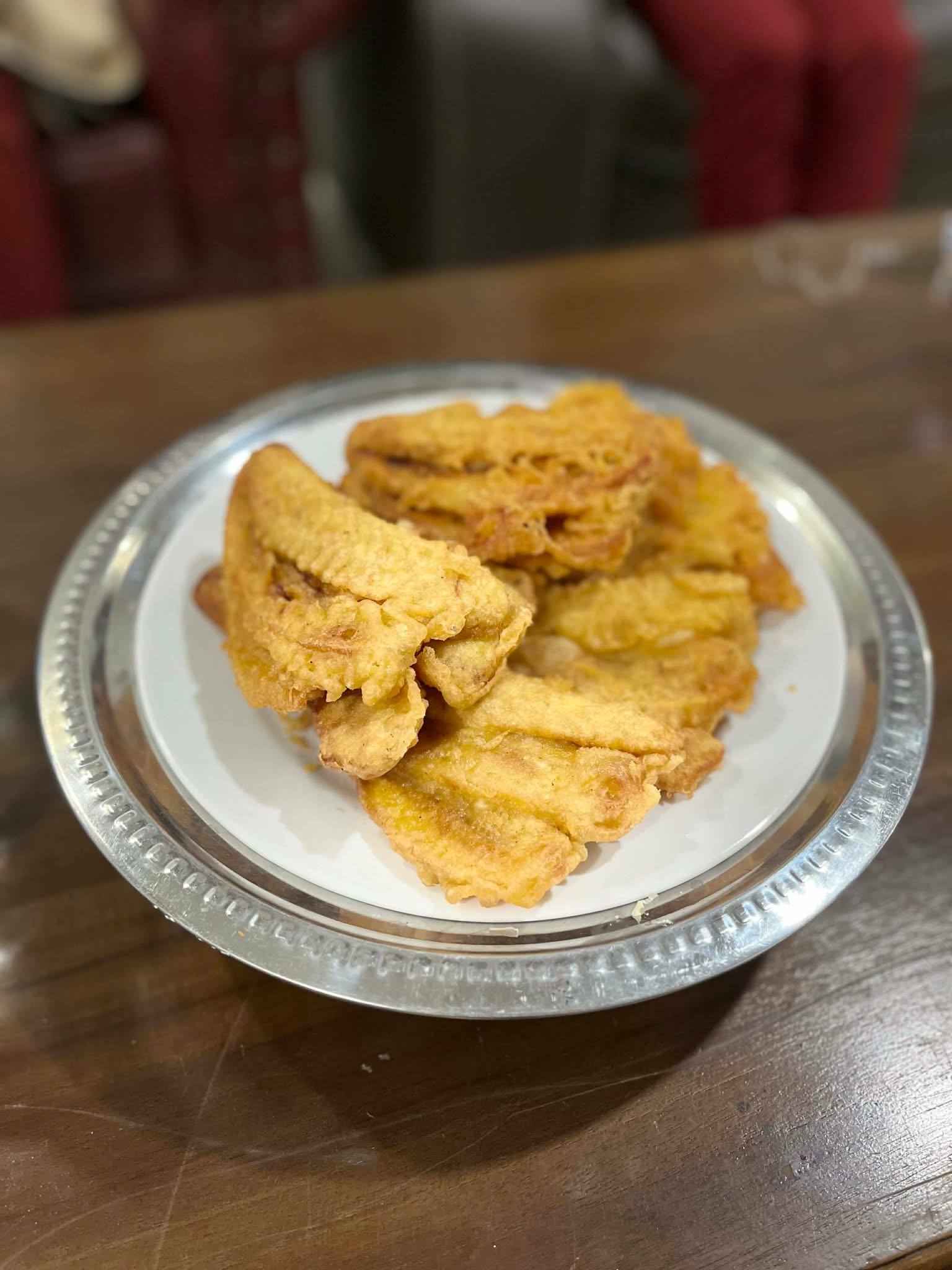
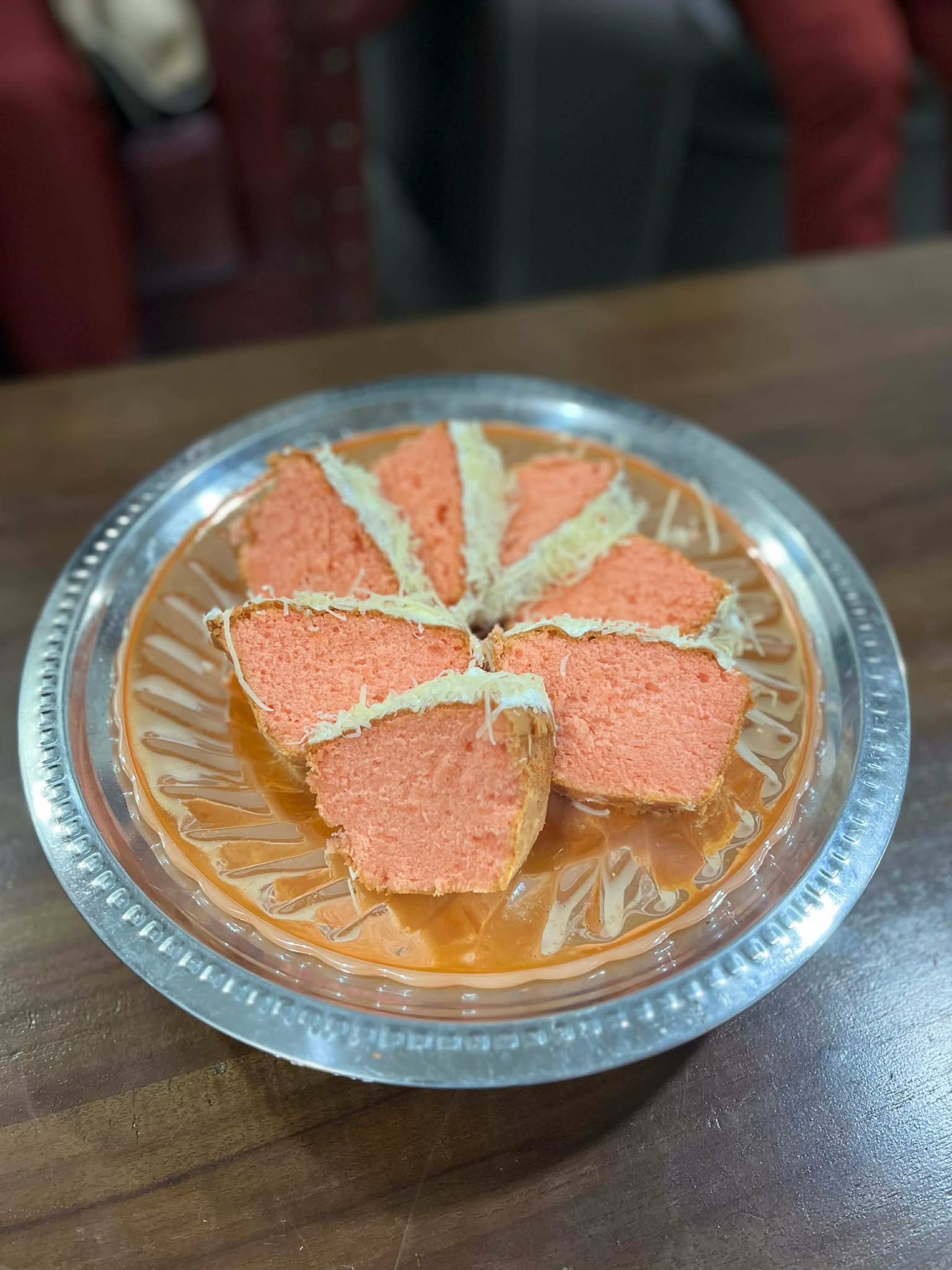
Teachers warmly welcome guests with cakes, food, or drinks, proudly sharing Muslim culture.


Family‑like treatment
Students are encouraged to join extracurricular activities, and the school provides ample time for participants to prepare for events they wish to compete in. During class discussions, students are allowed to use laptops, supported by accessible internet connections and air‑conditioned classrooms.


Hybrid Teaching
MAN 1 Kendari practices hybrid teaching, where one teacher leads the lesson while another attends to students’ questions during class discussions.


Flexible Lesson Plans and Class Duration
Teachers can adjust their lesson plans depending on the subject’s needs. Classes are held once a week per subject, with durations ranging from one to three hours.
Students are not academically burdened because they are highly encouraged to explore, participate in extracurricular activities, and represent the school internationally. They are given ample time to review and prepare without being weighed down by academic backlogs.
This approach ensures that learning is balanced, holistic, and empowering — allowing students to grow not only in academics but also in character and global engagement.
A Holistic Approach to Learning


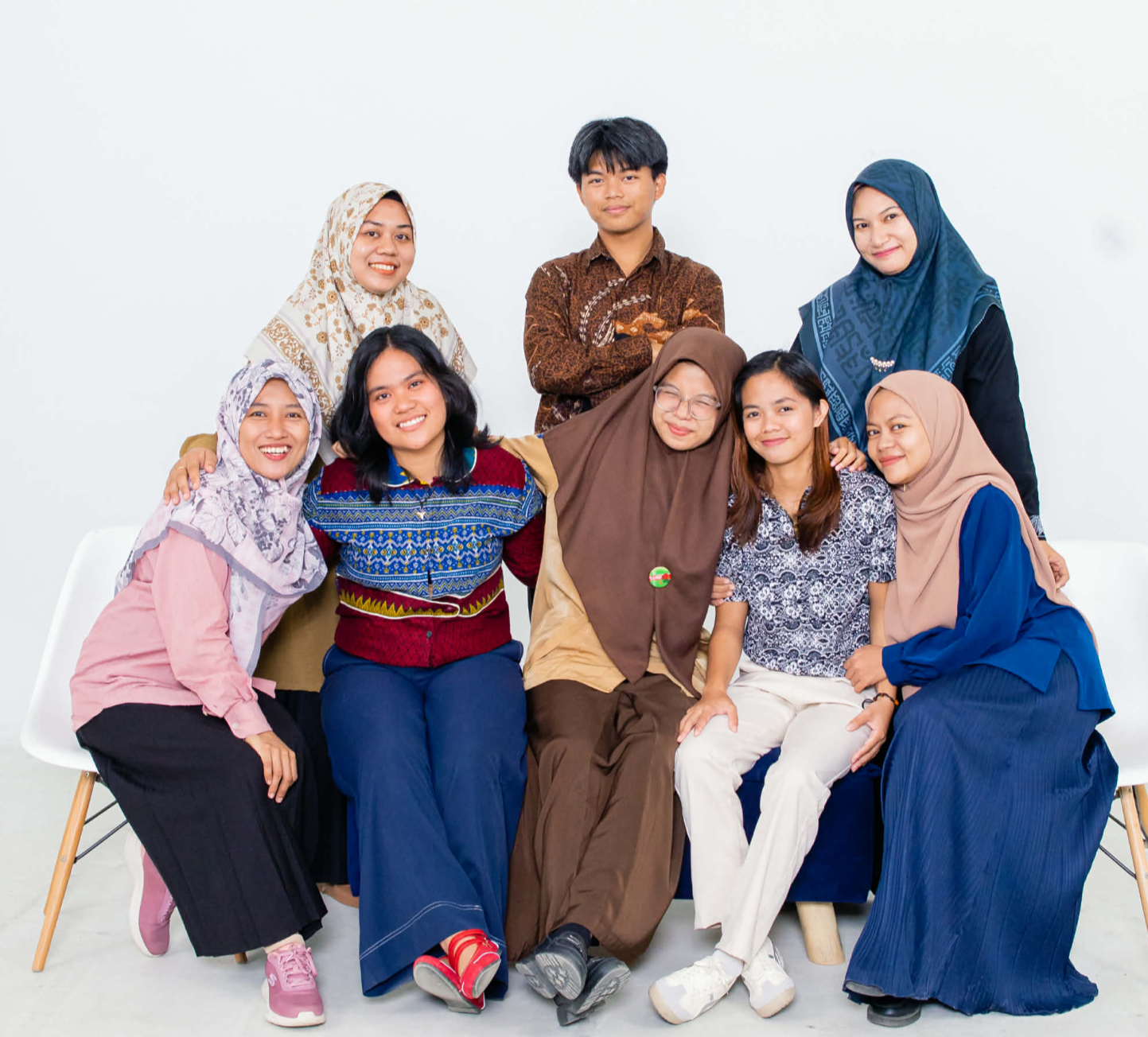
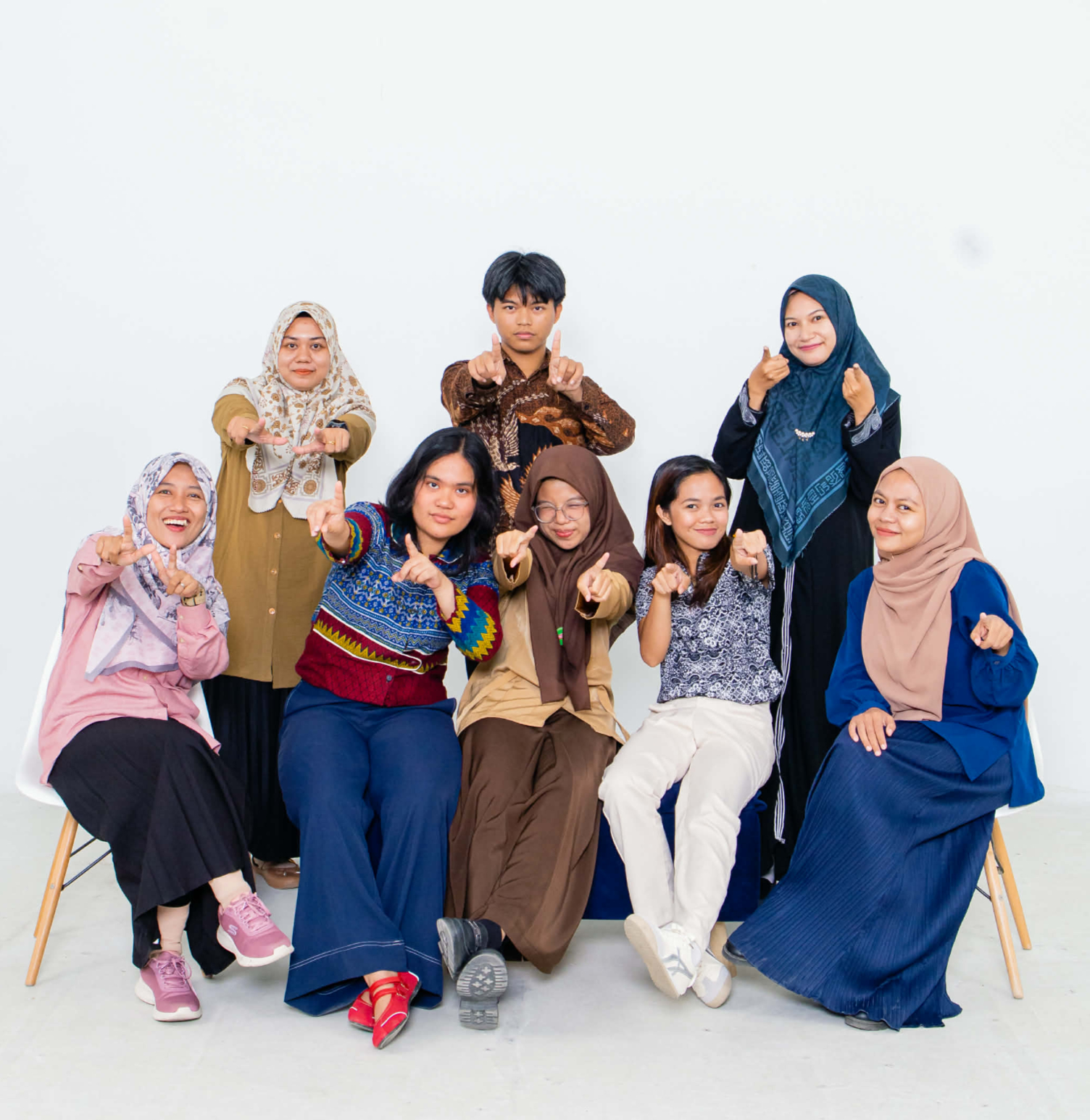
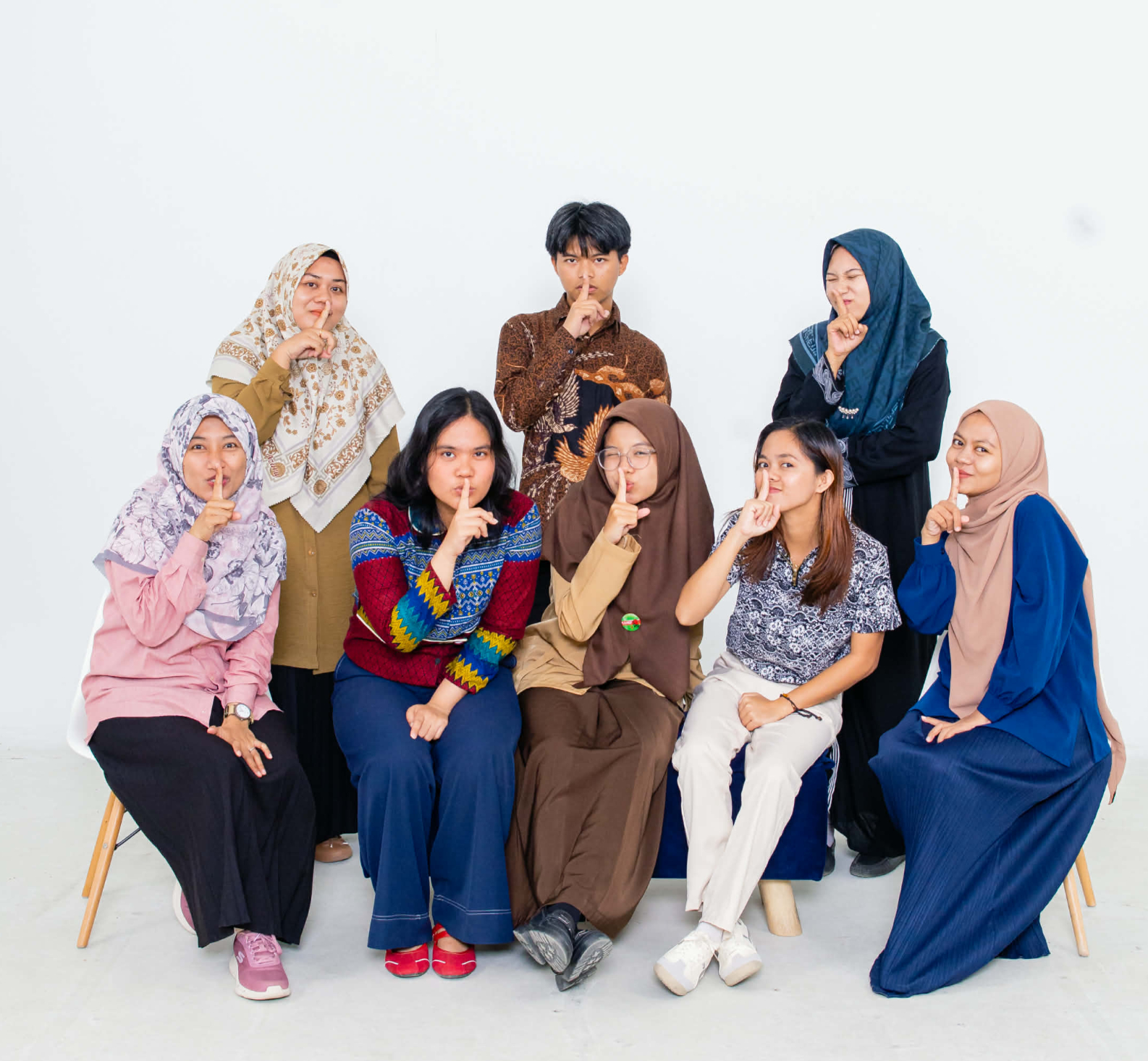
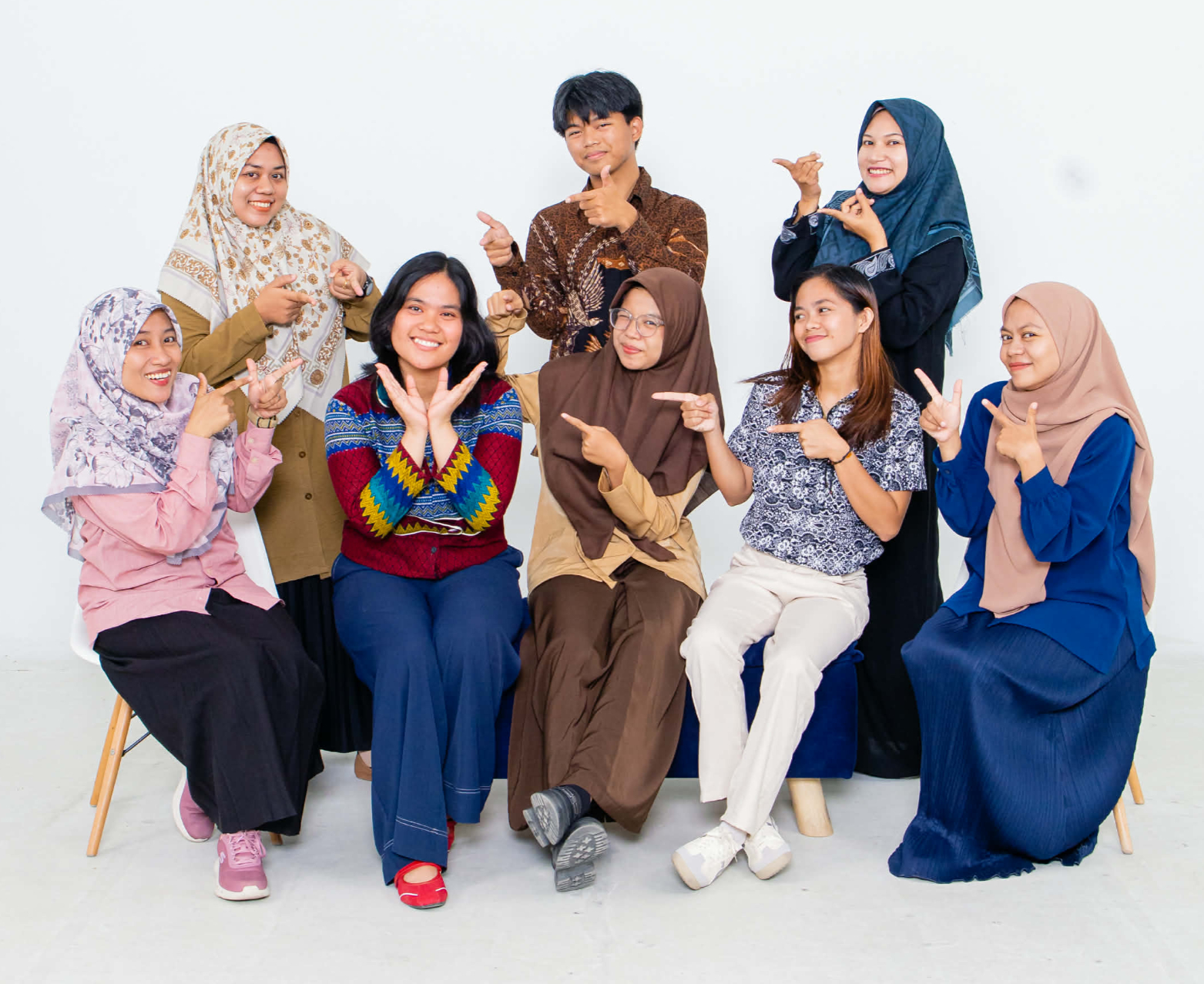
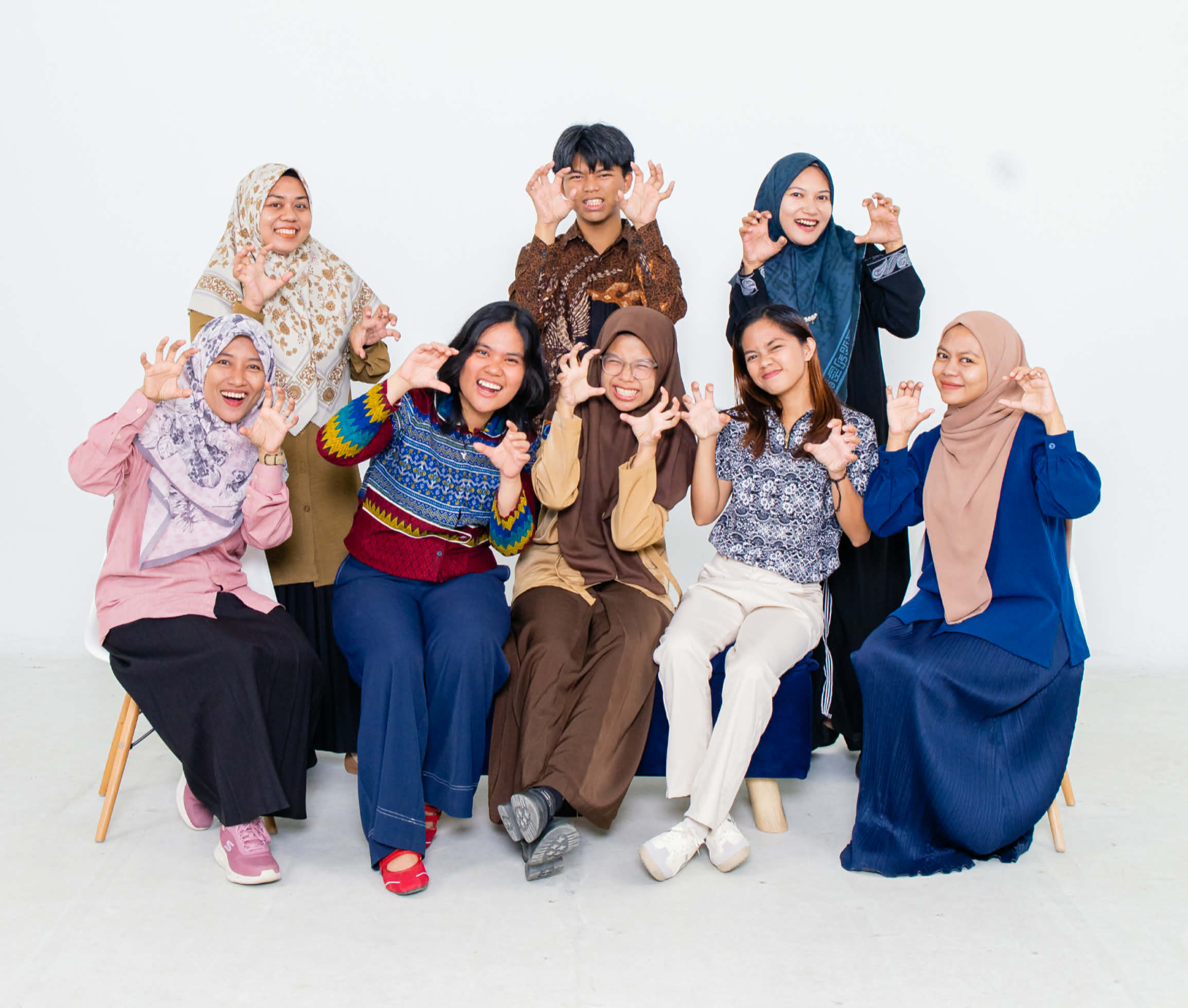
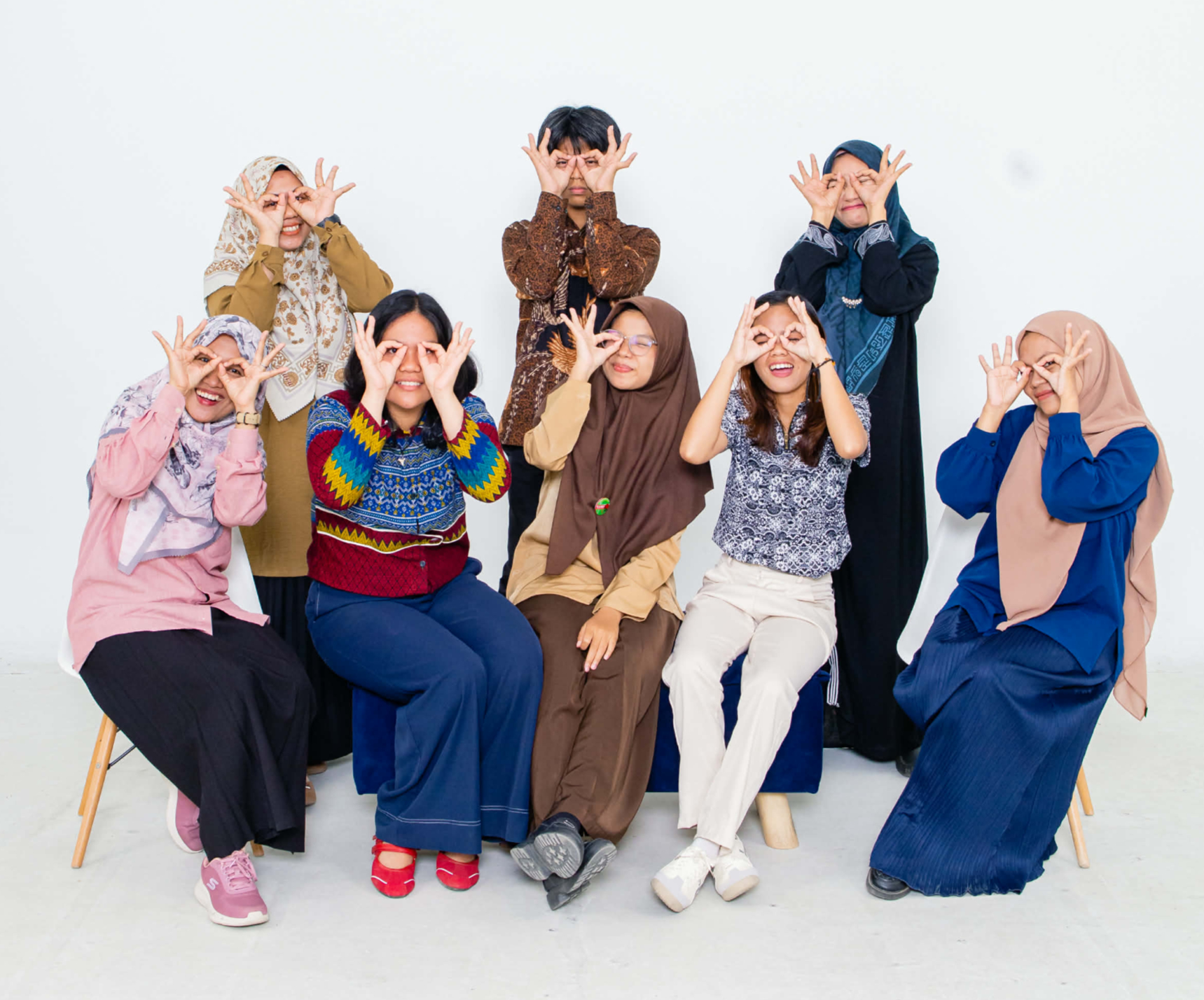
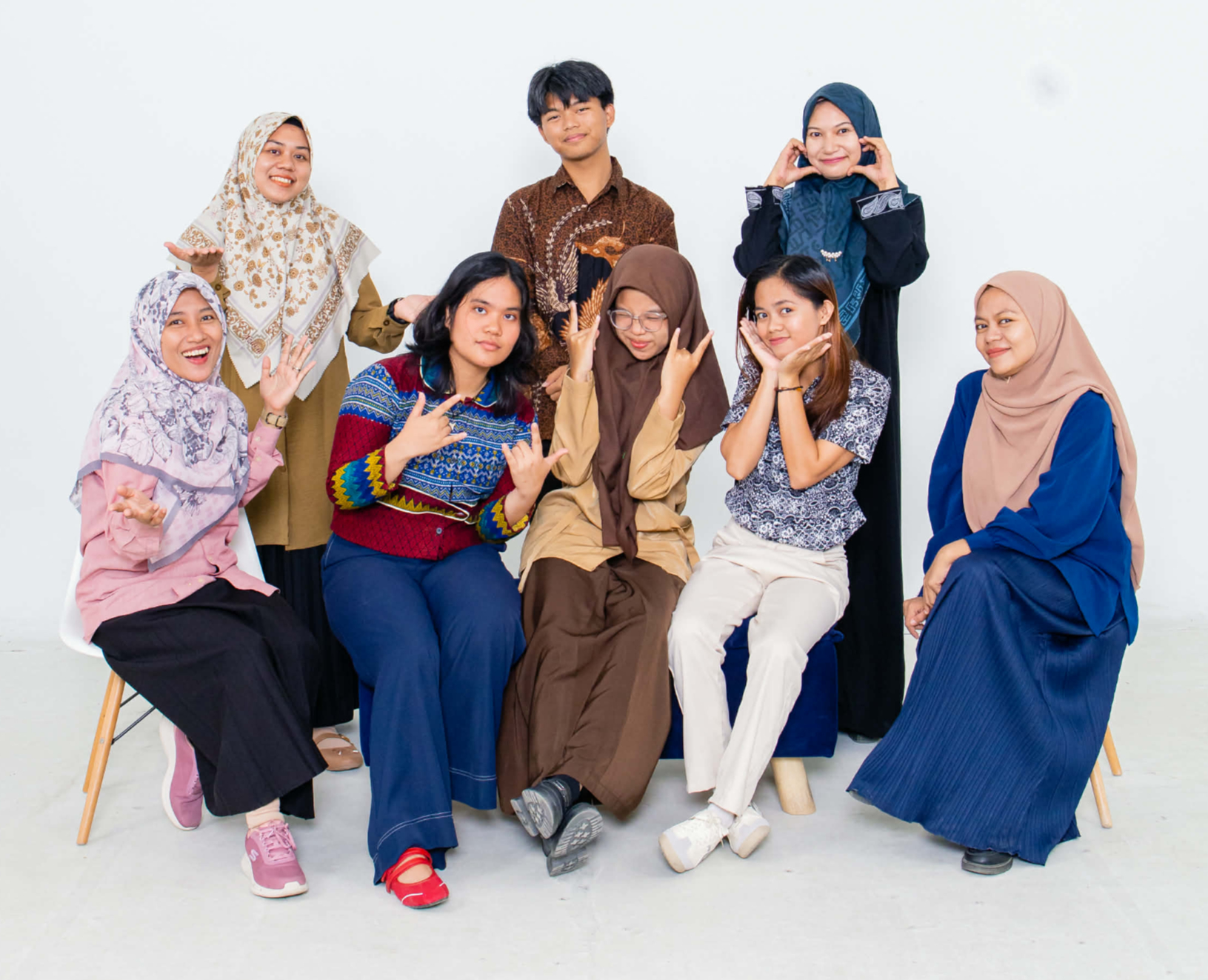
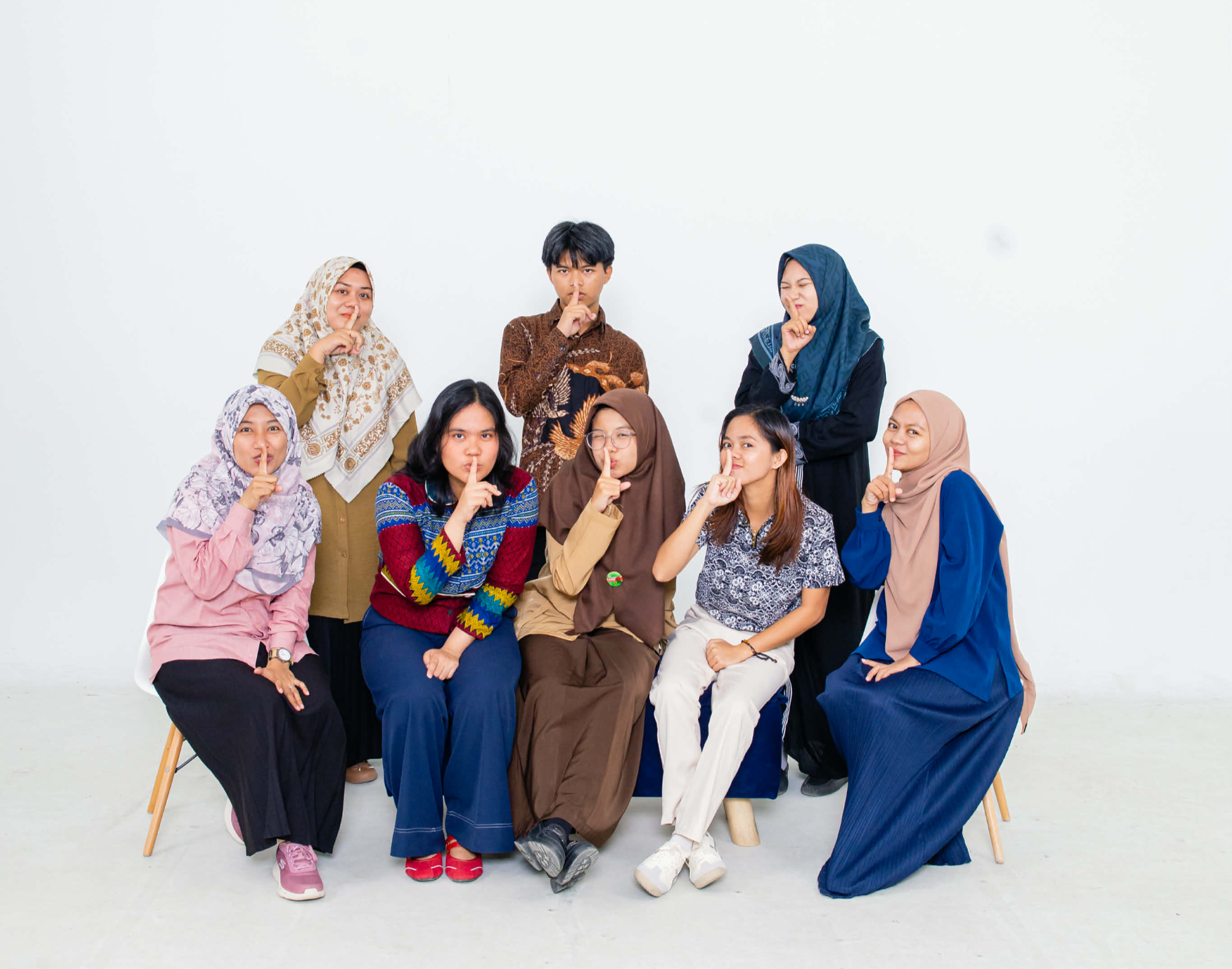
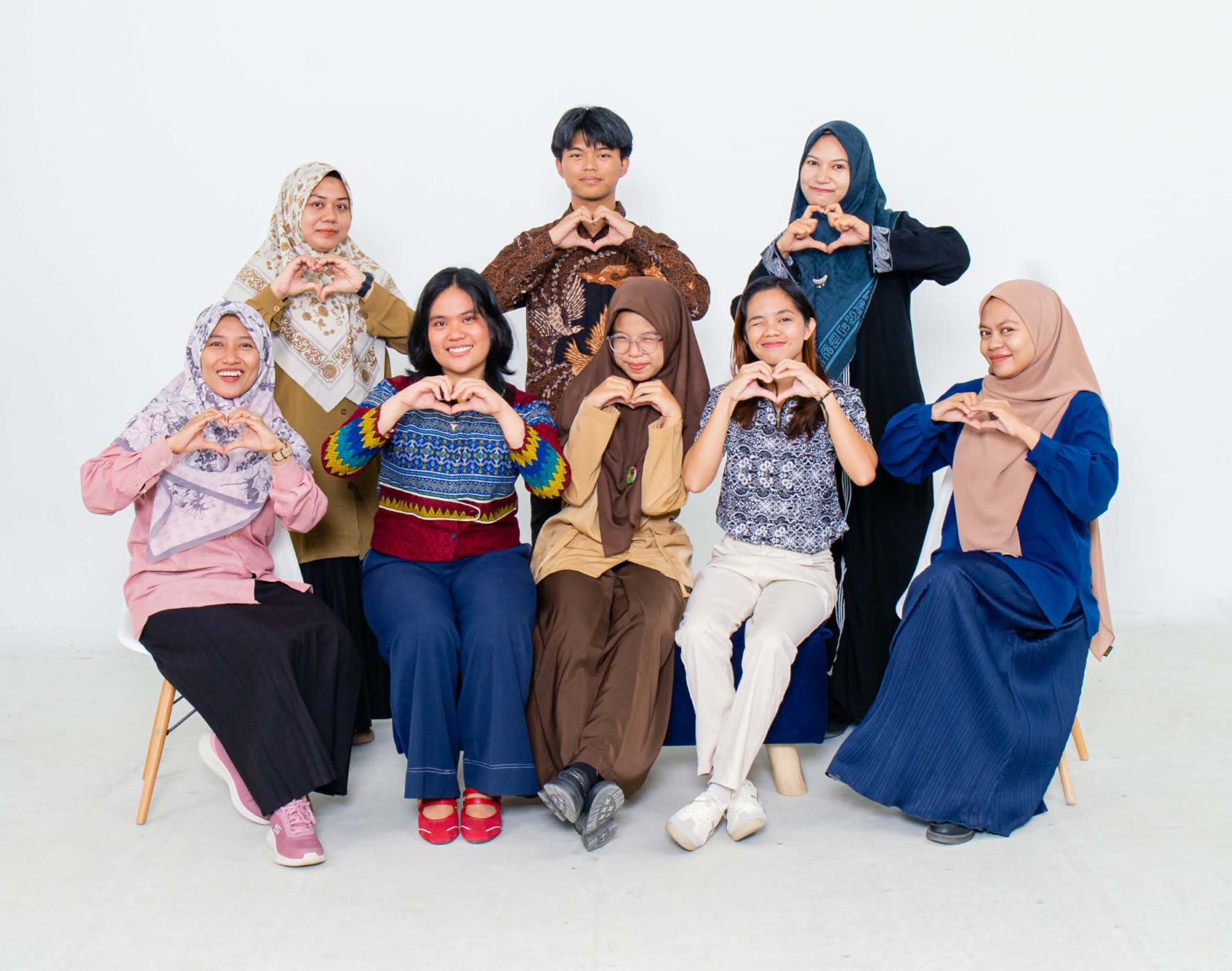
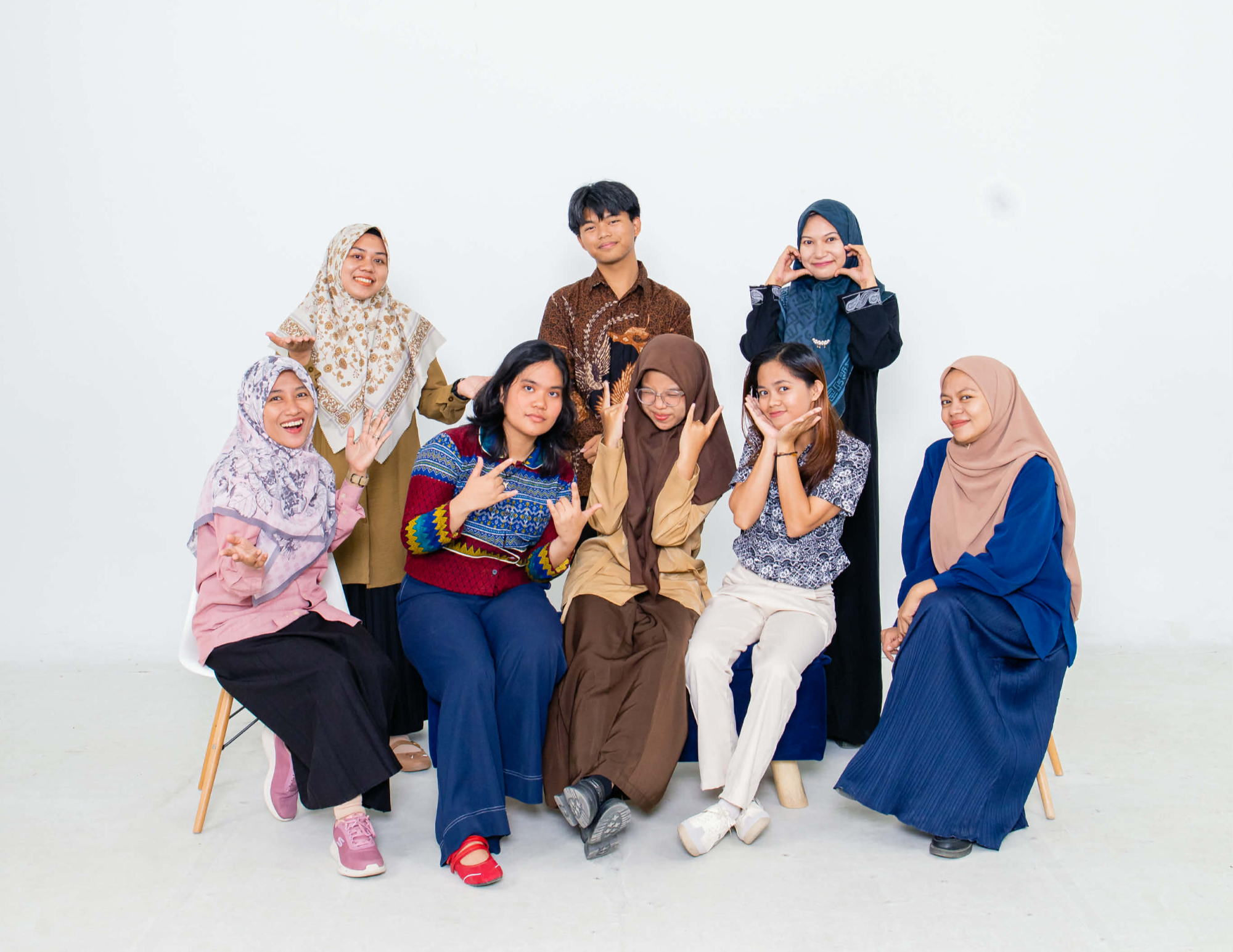
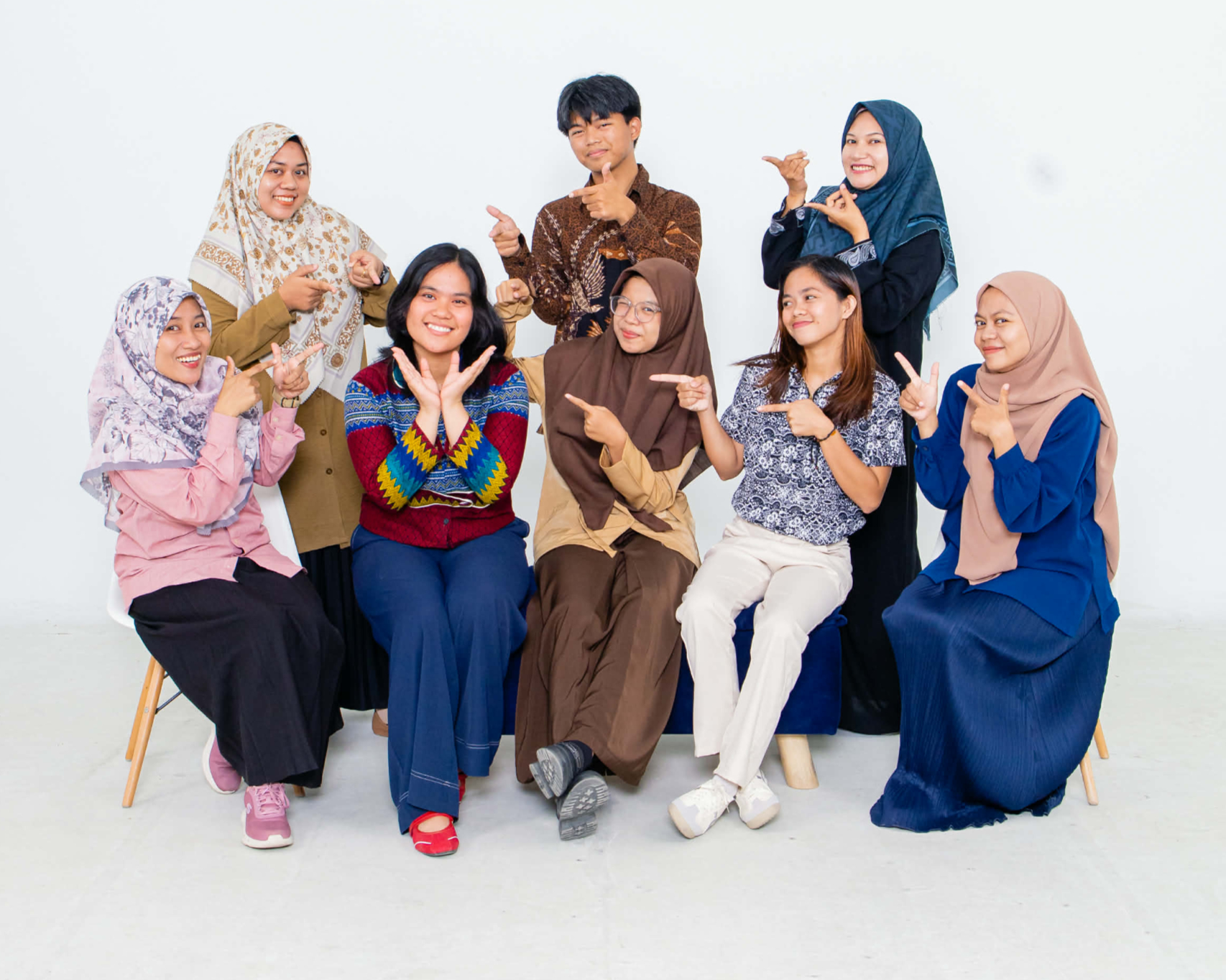
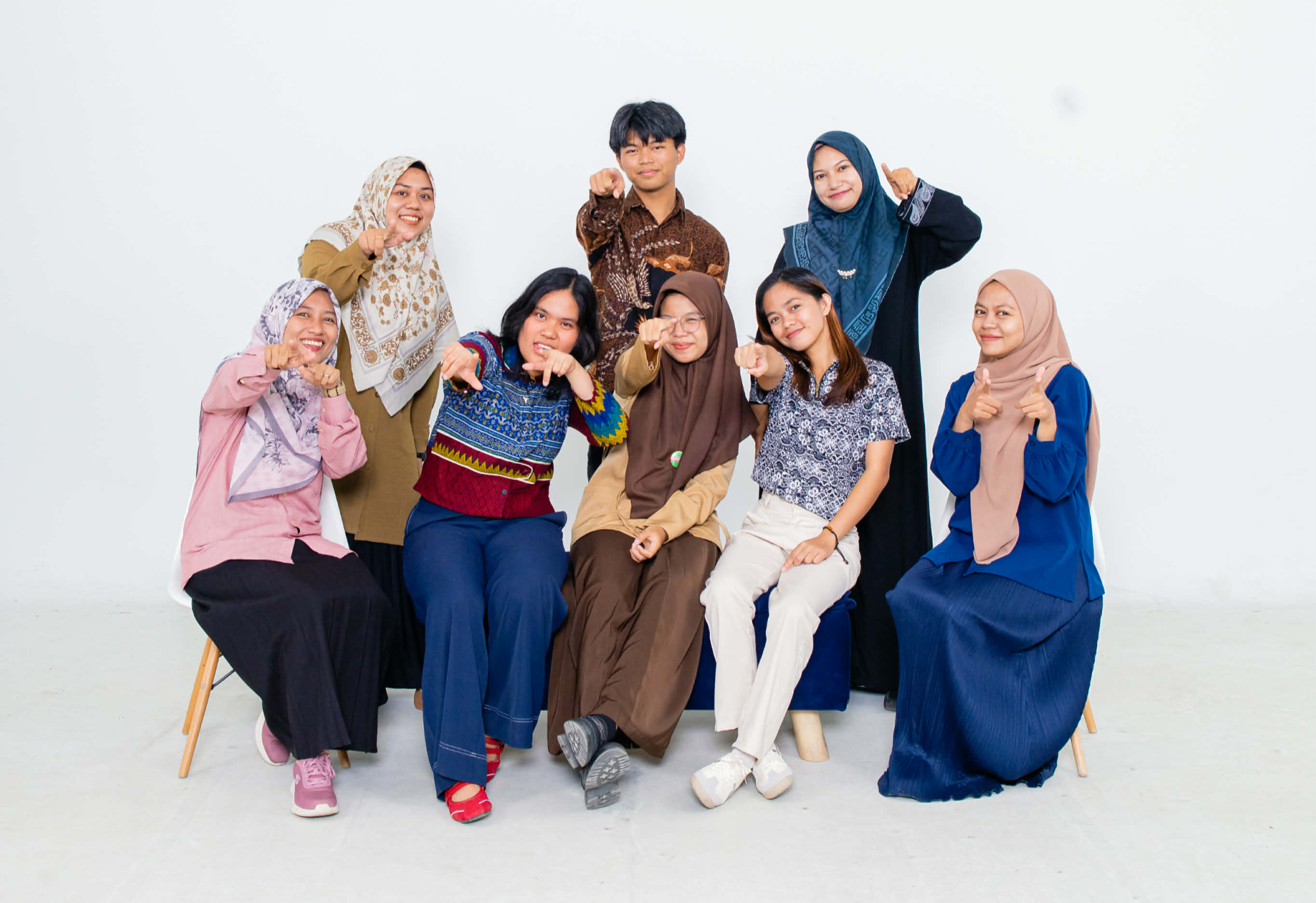
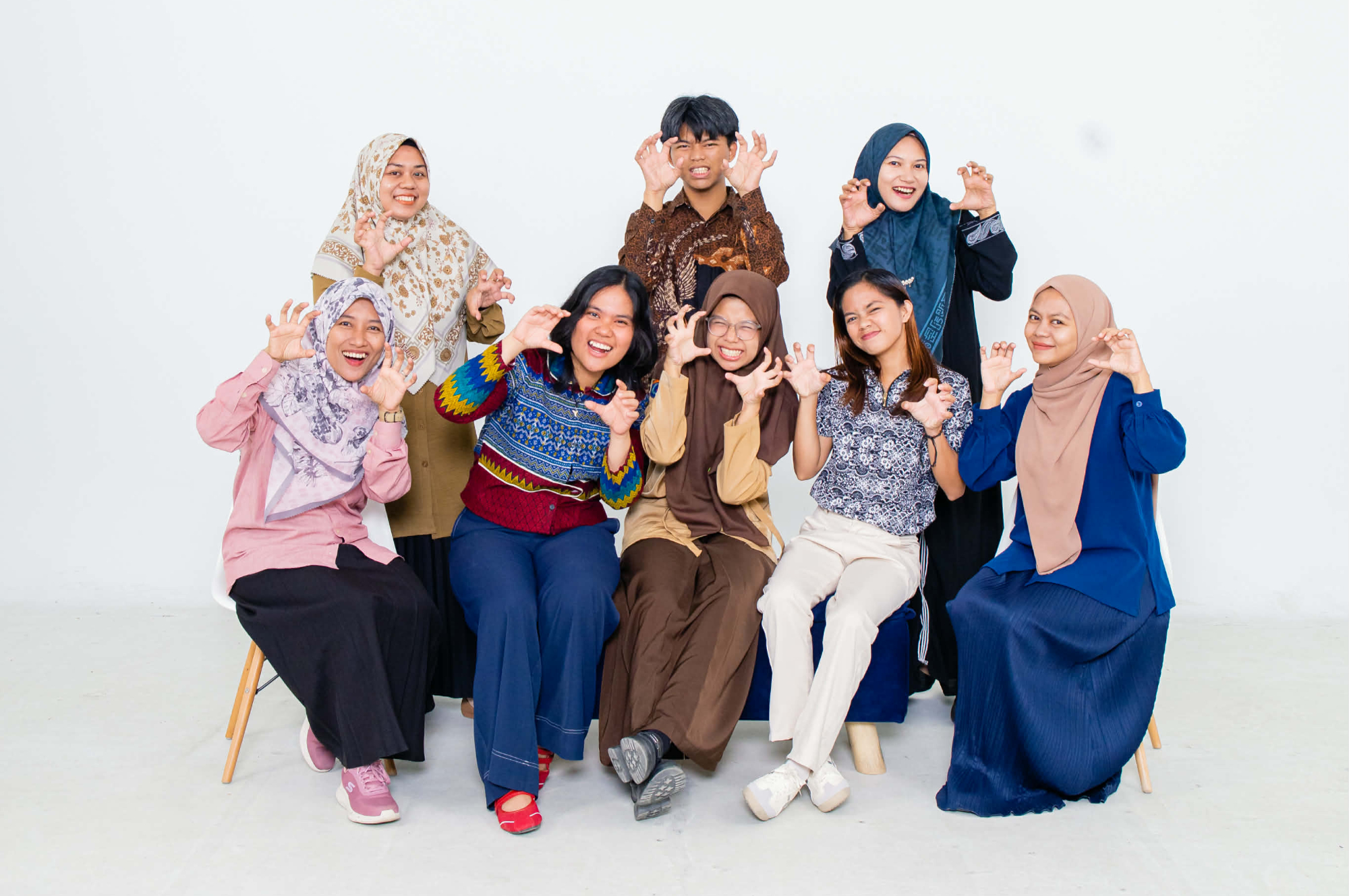
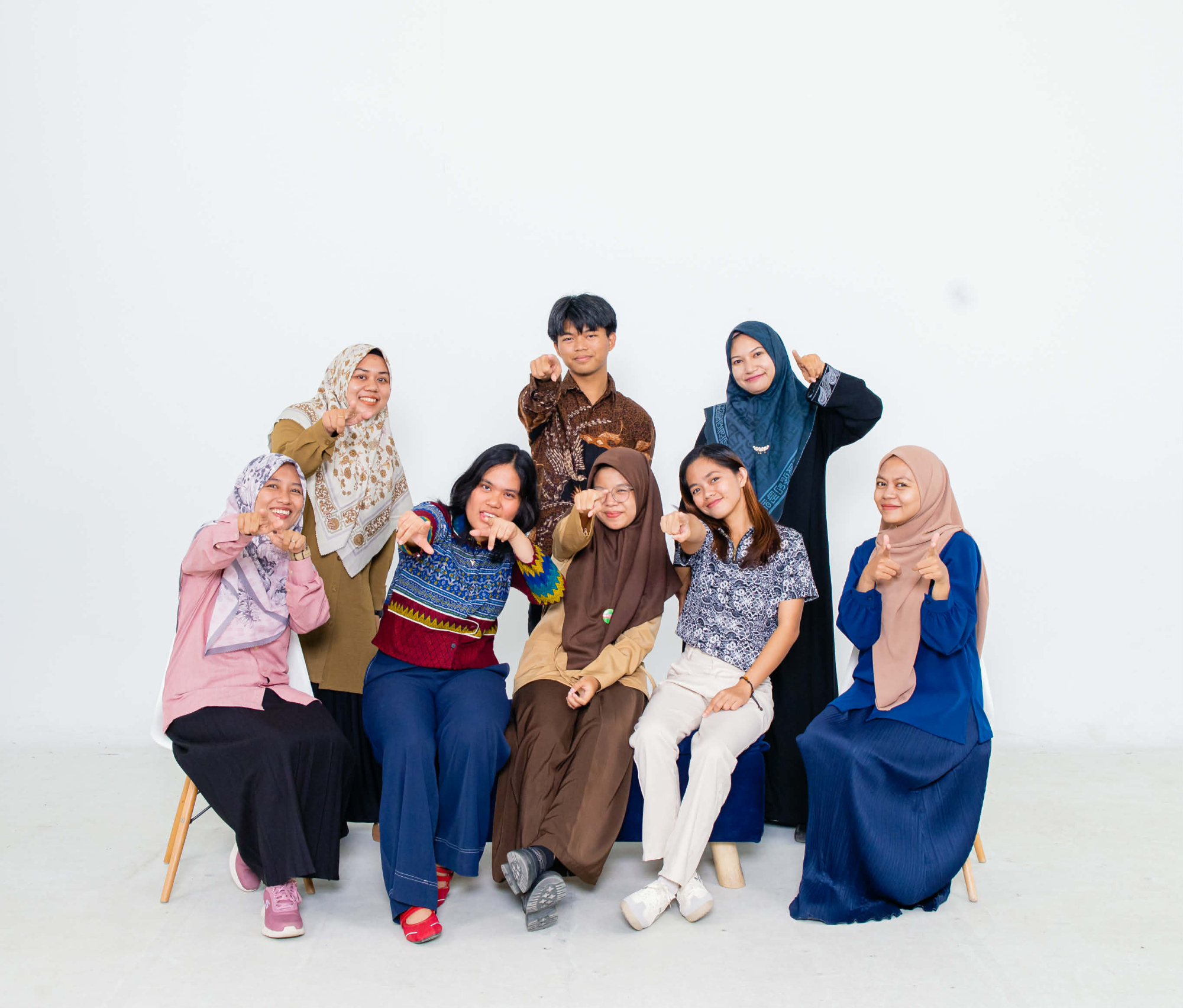
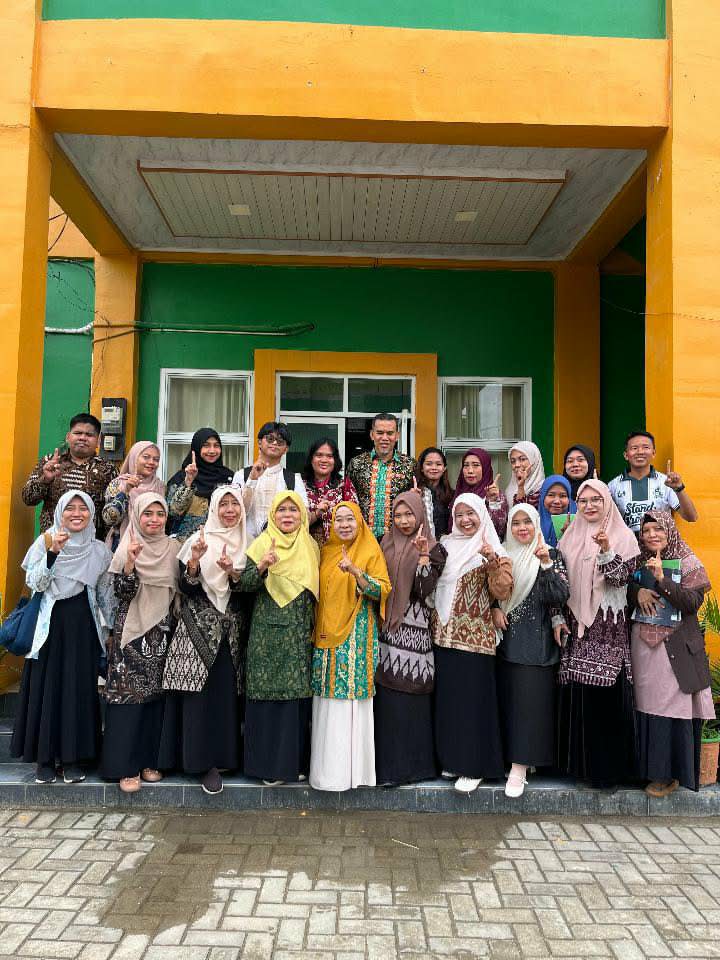
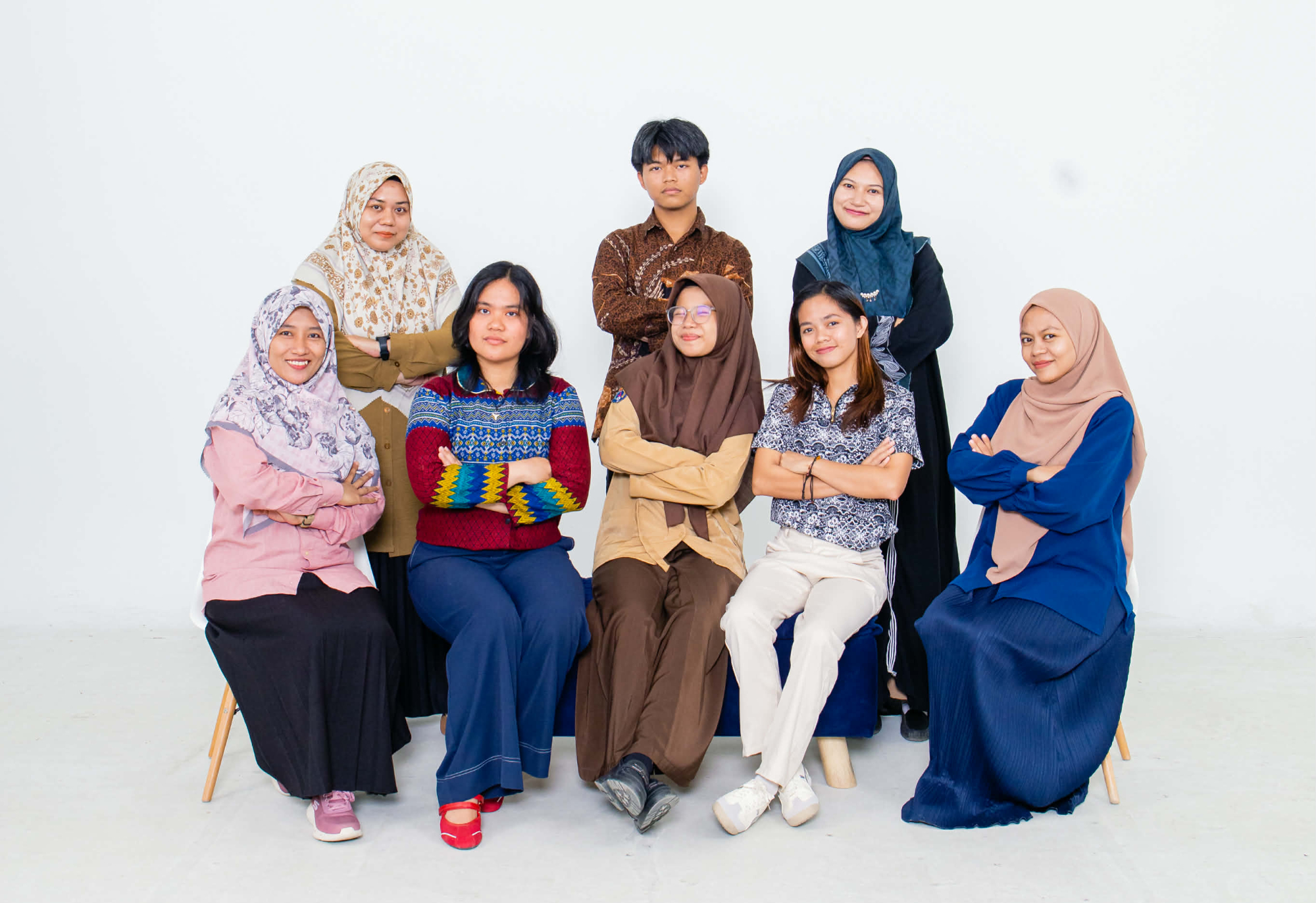
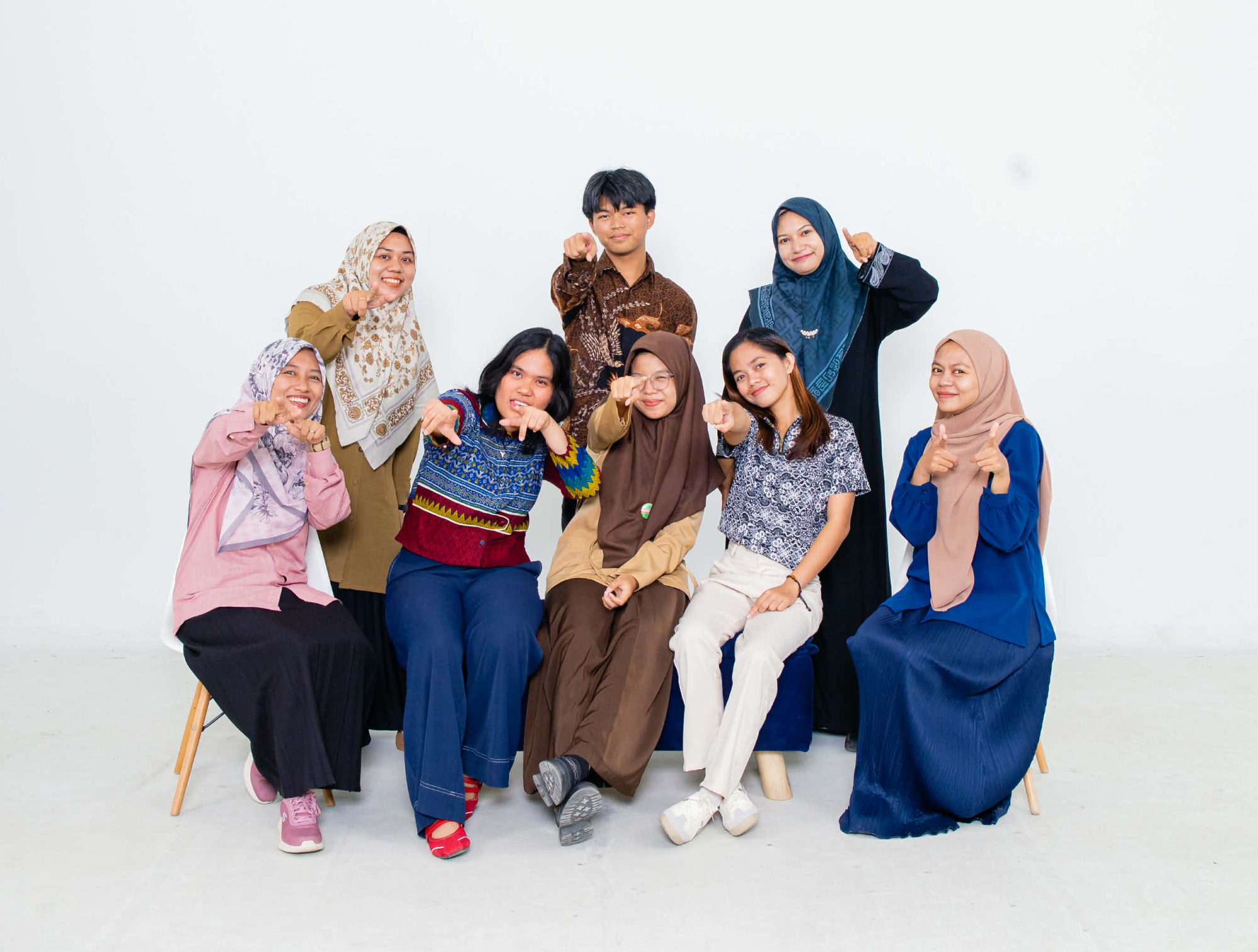
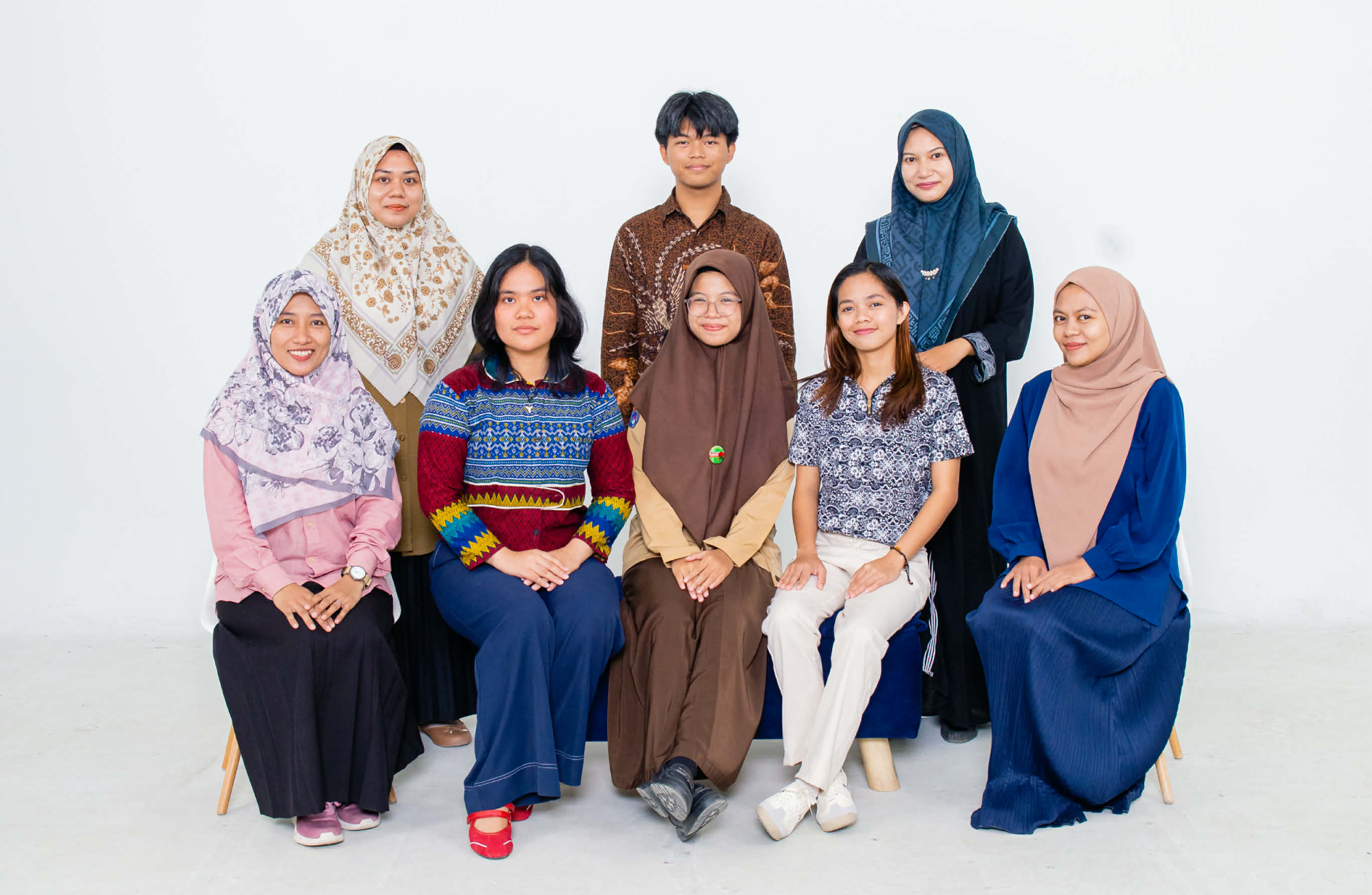



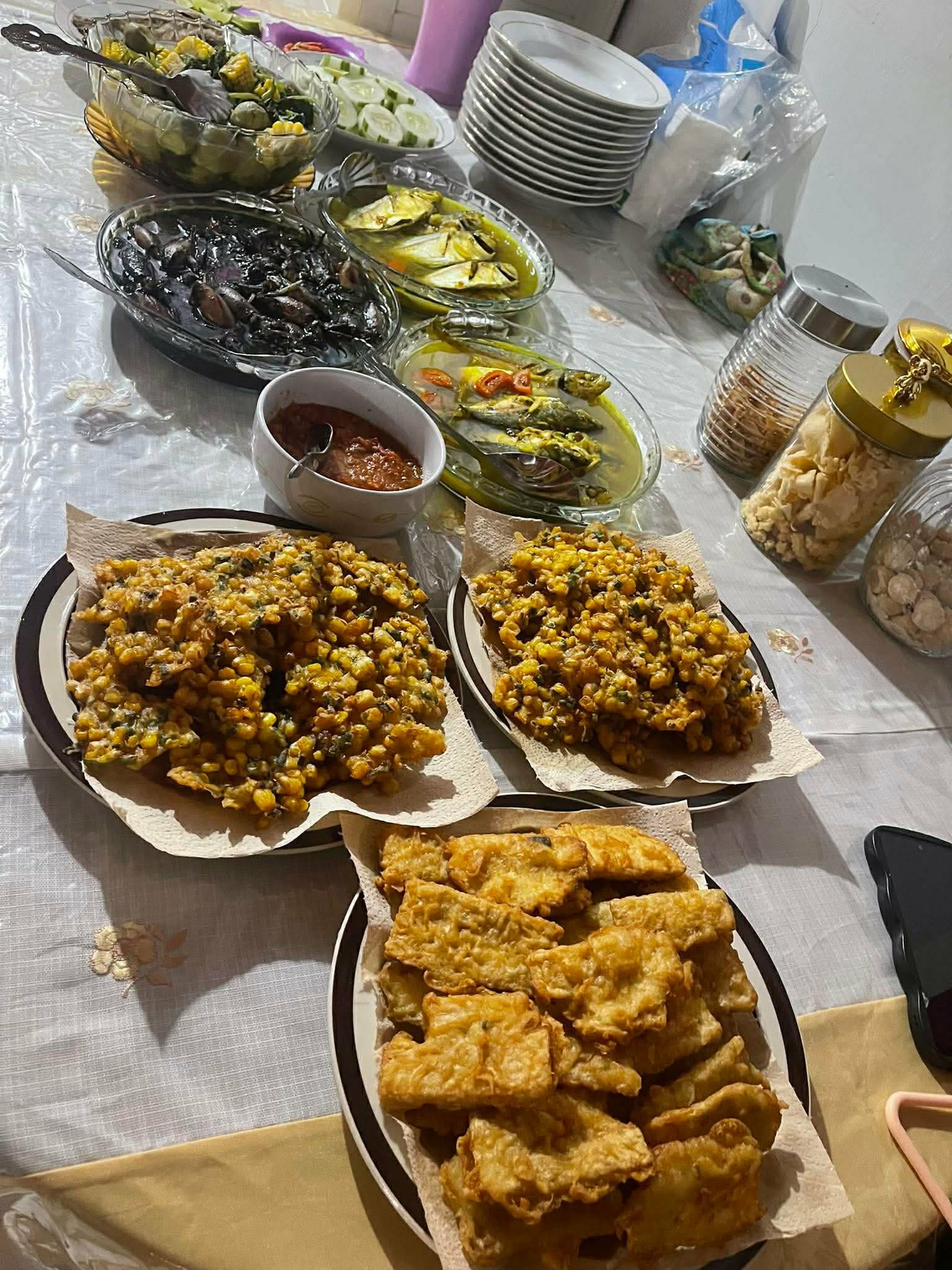

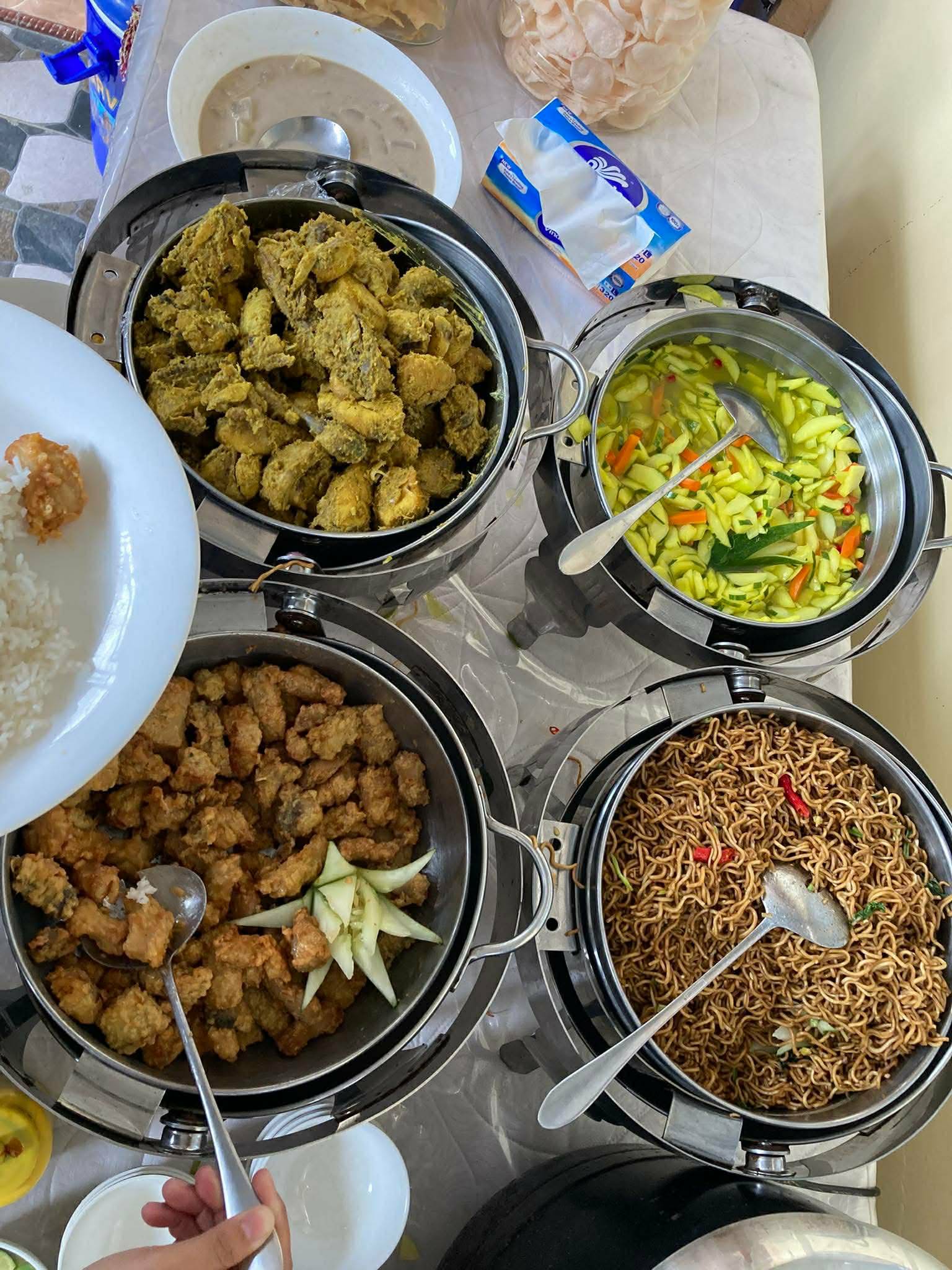
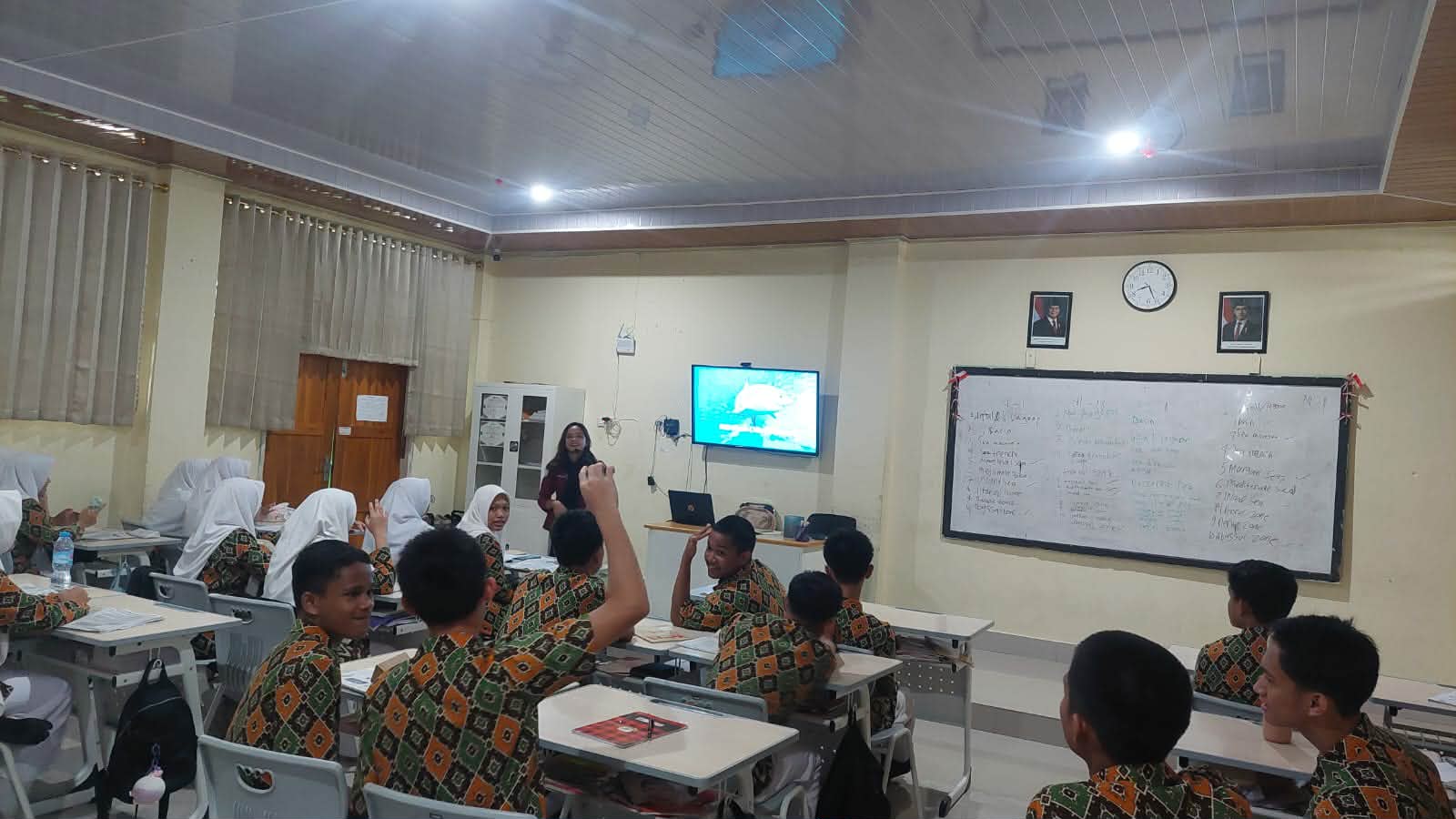
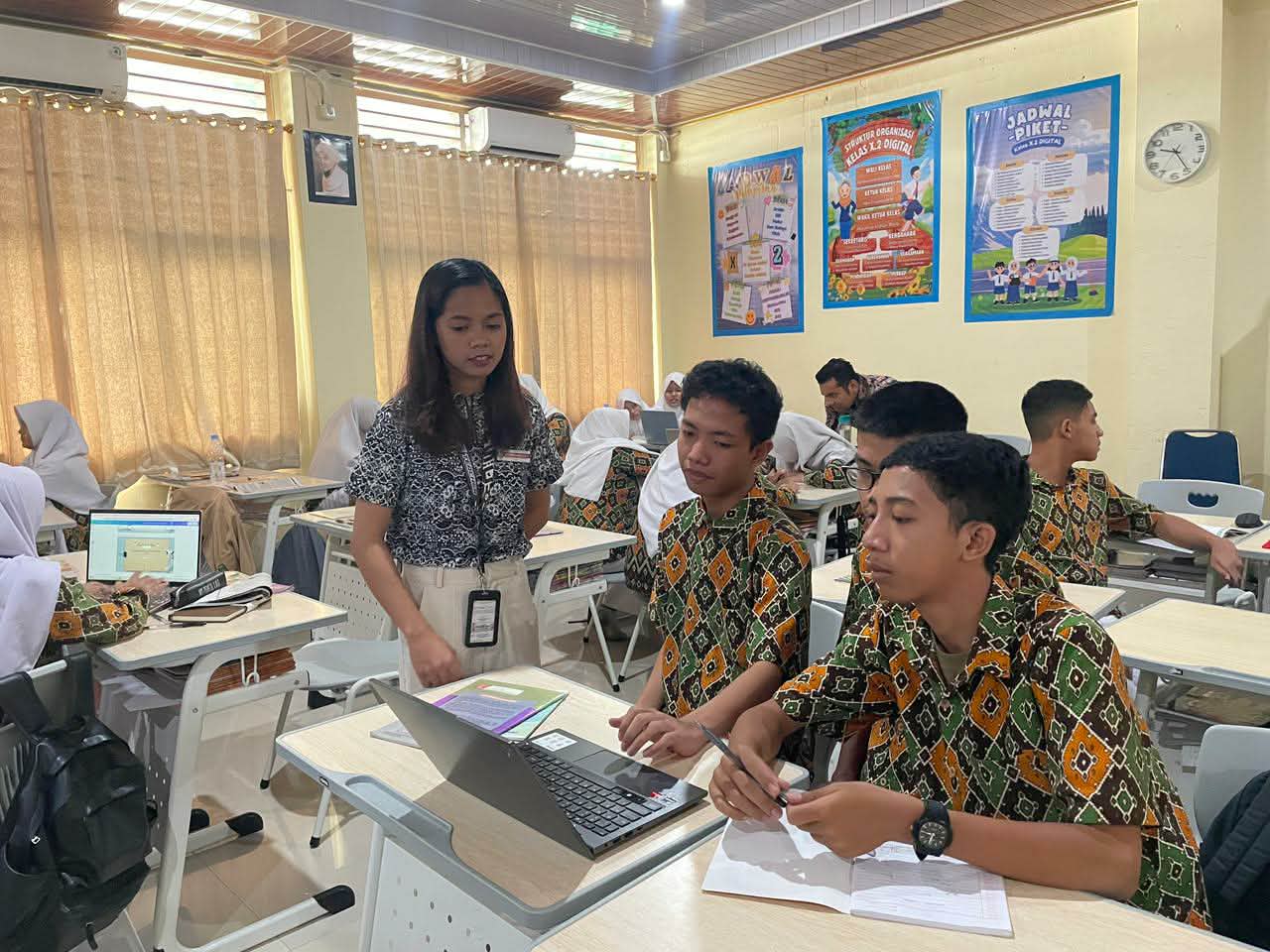
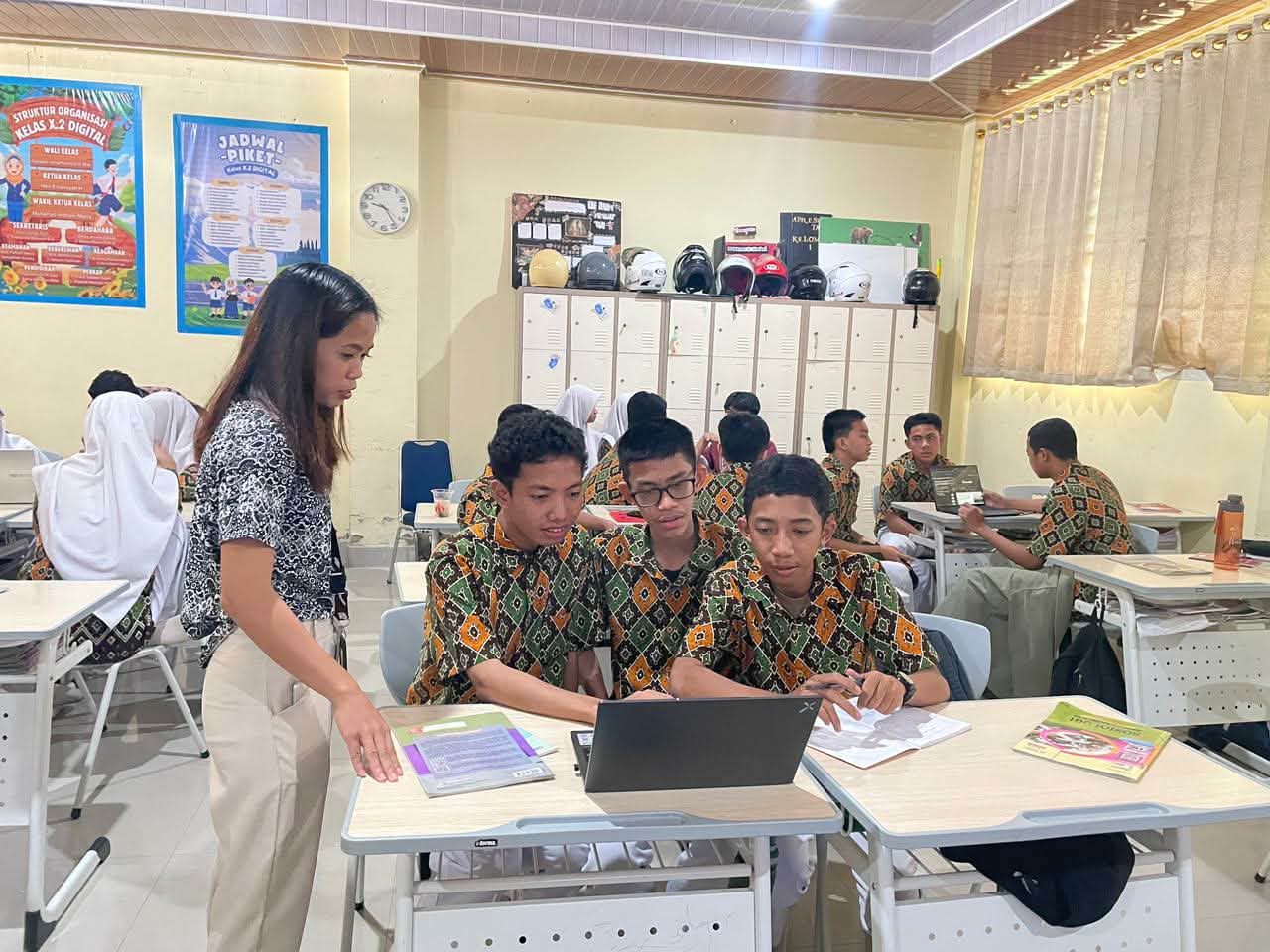
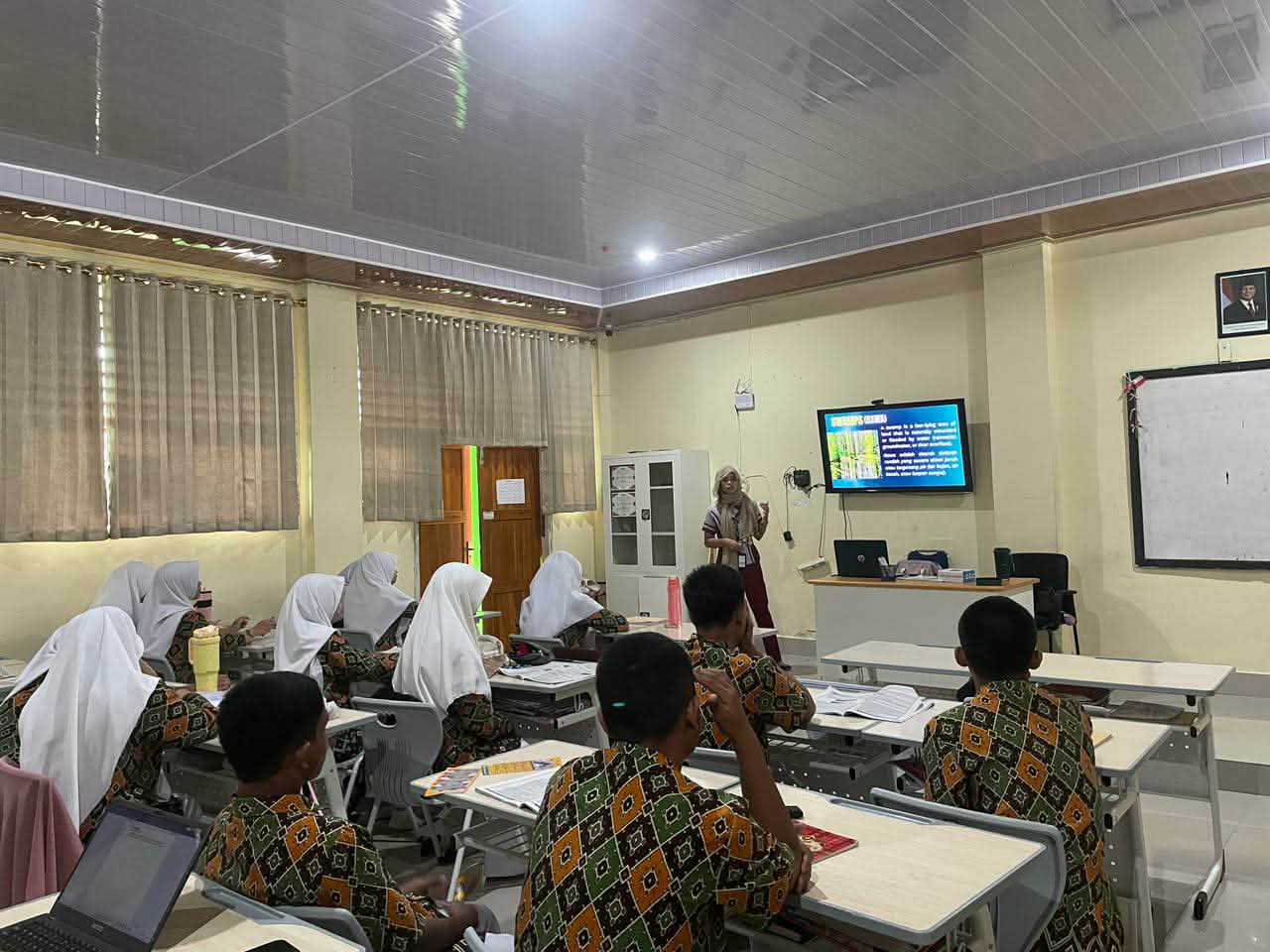
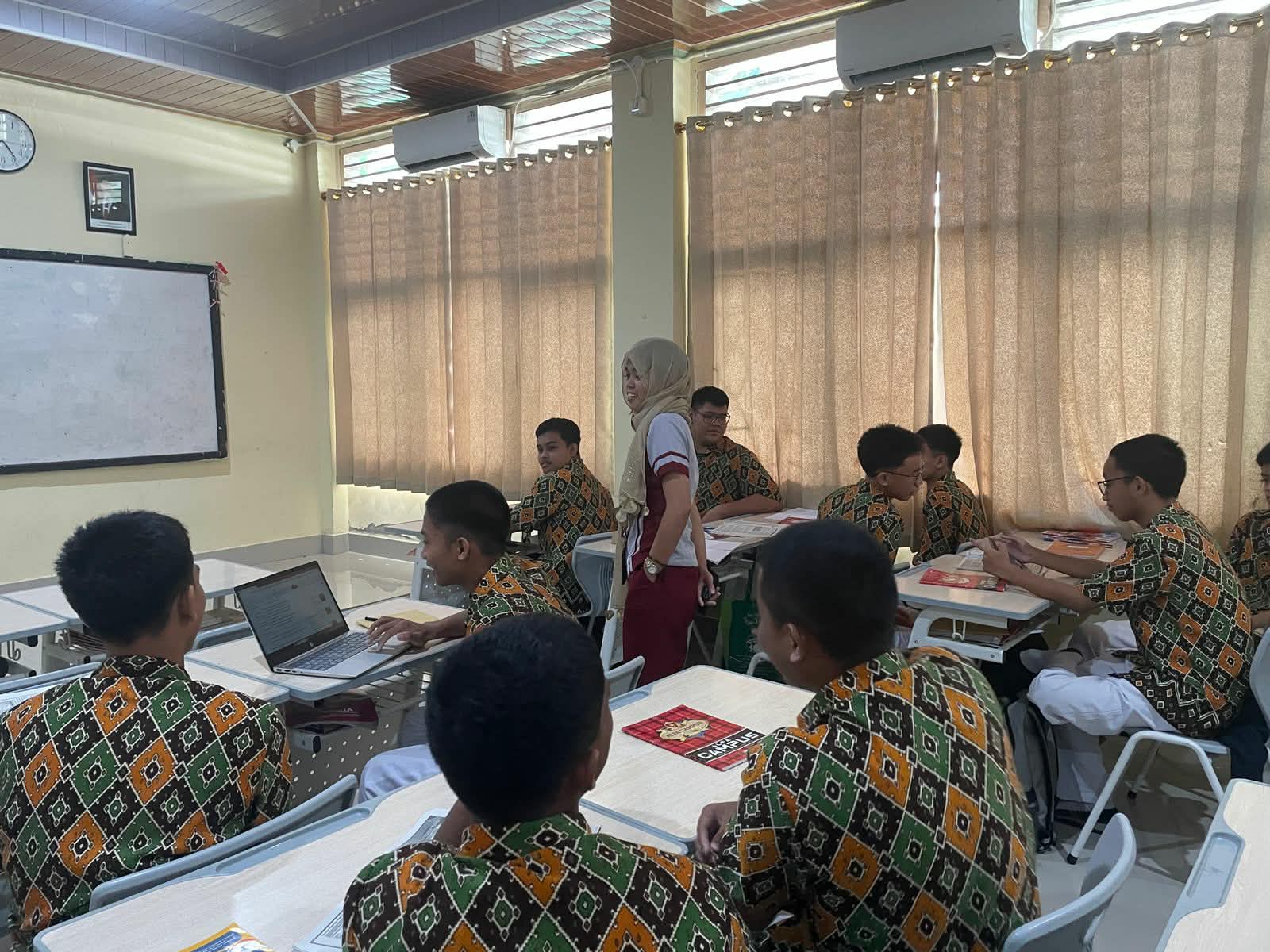
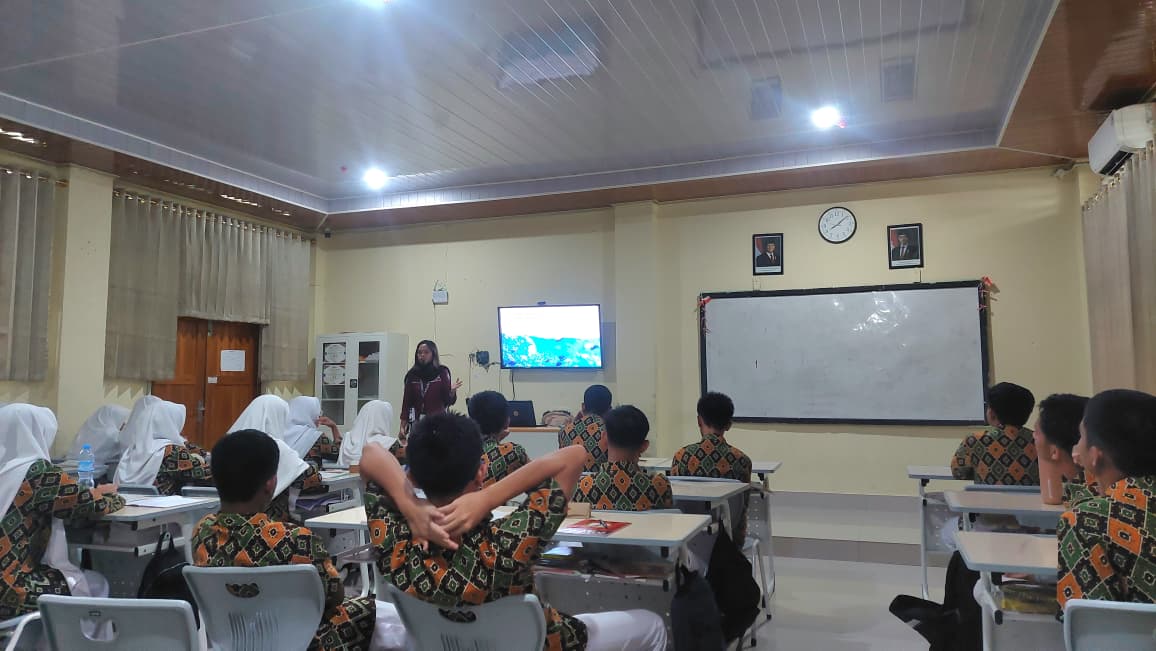
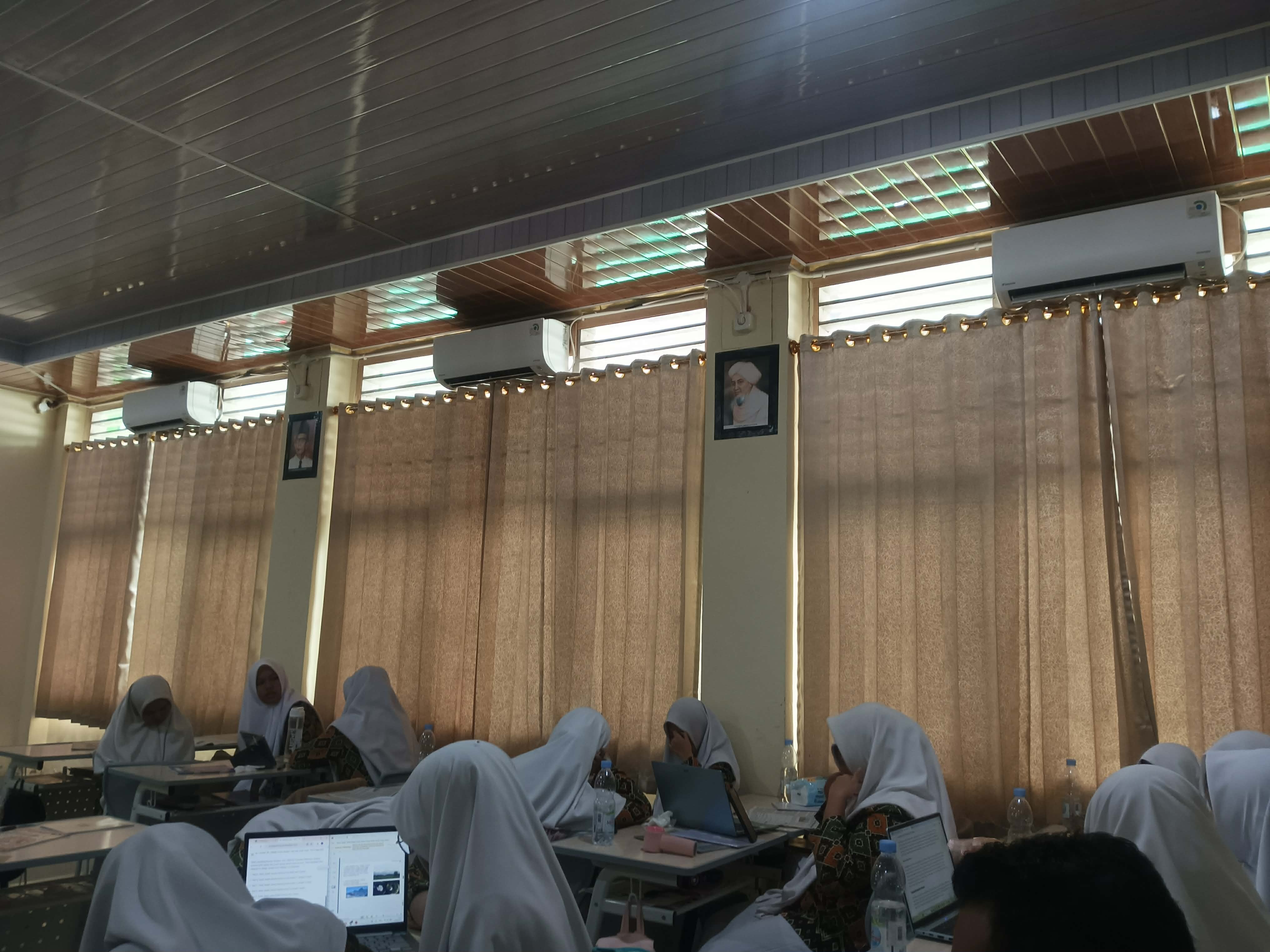
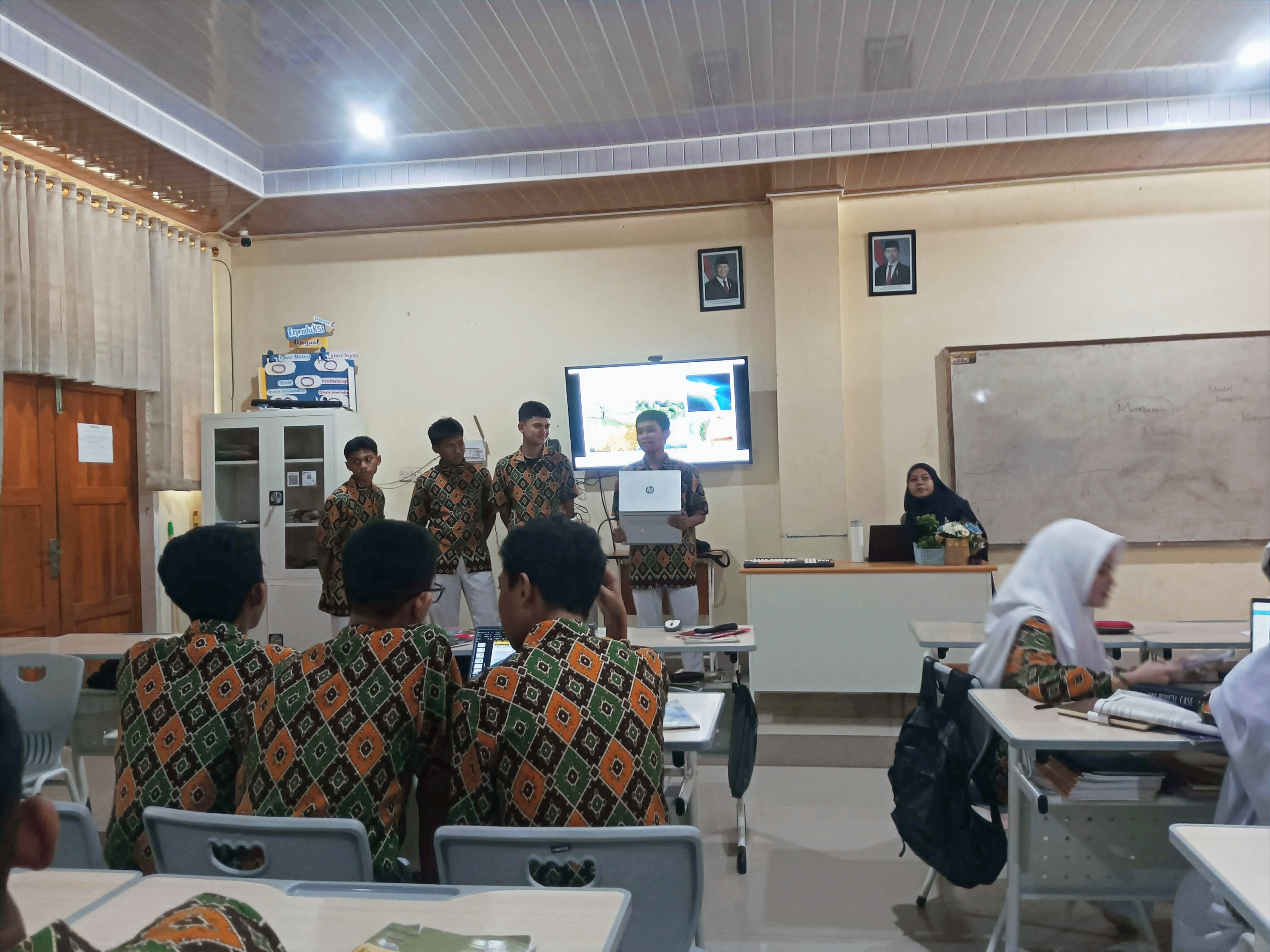
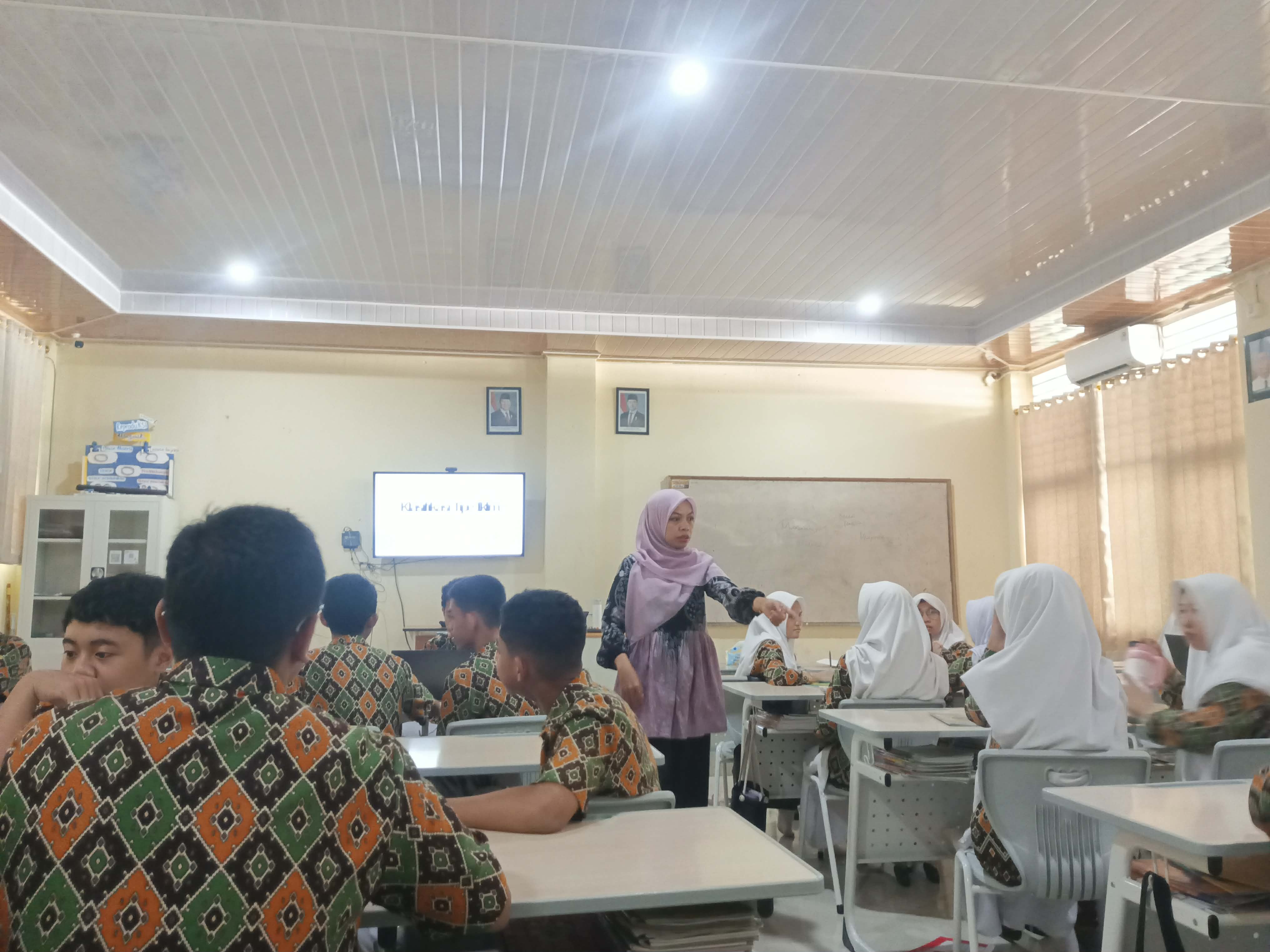
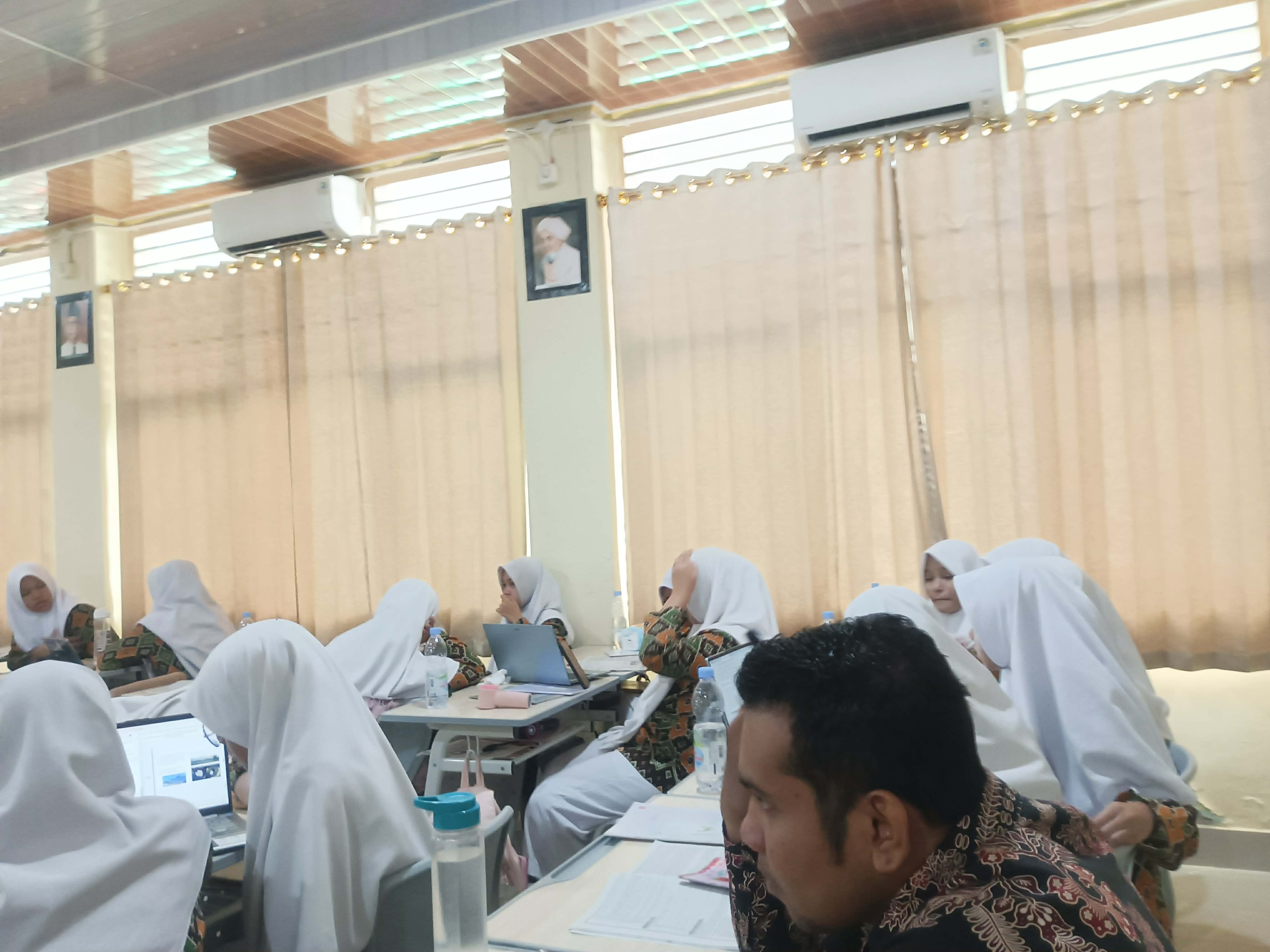
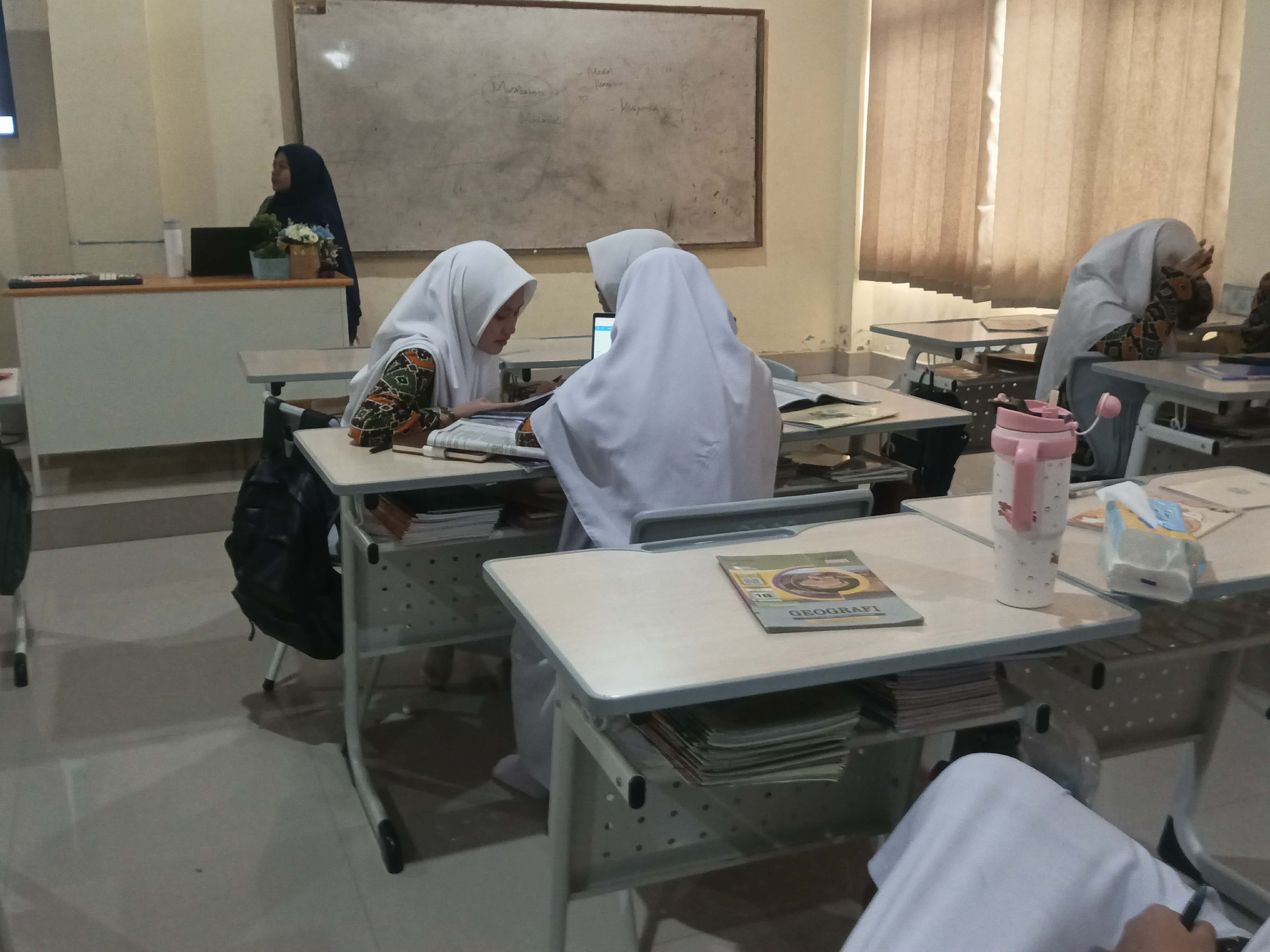
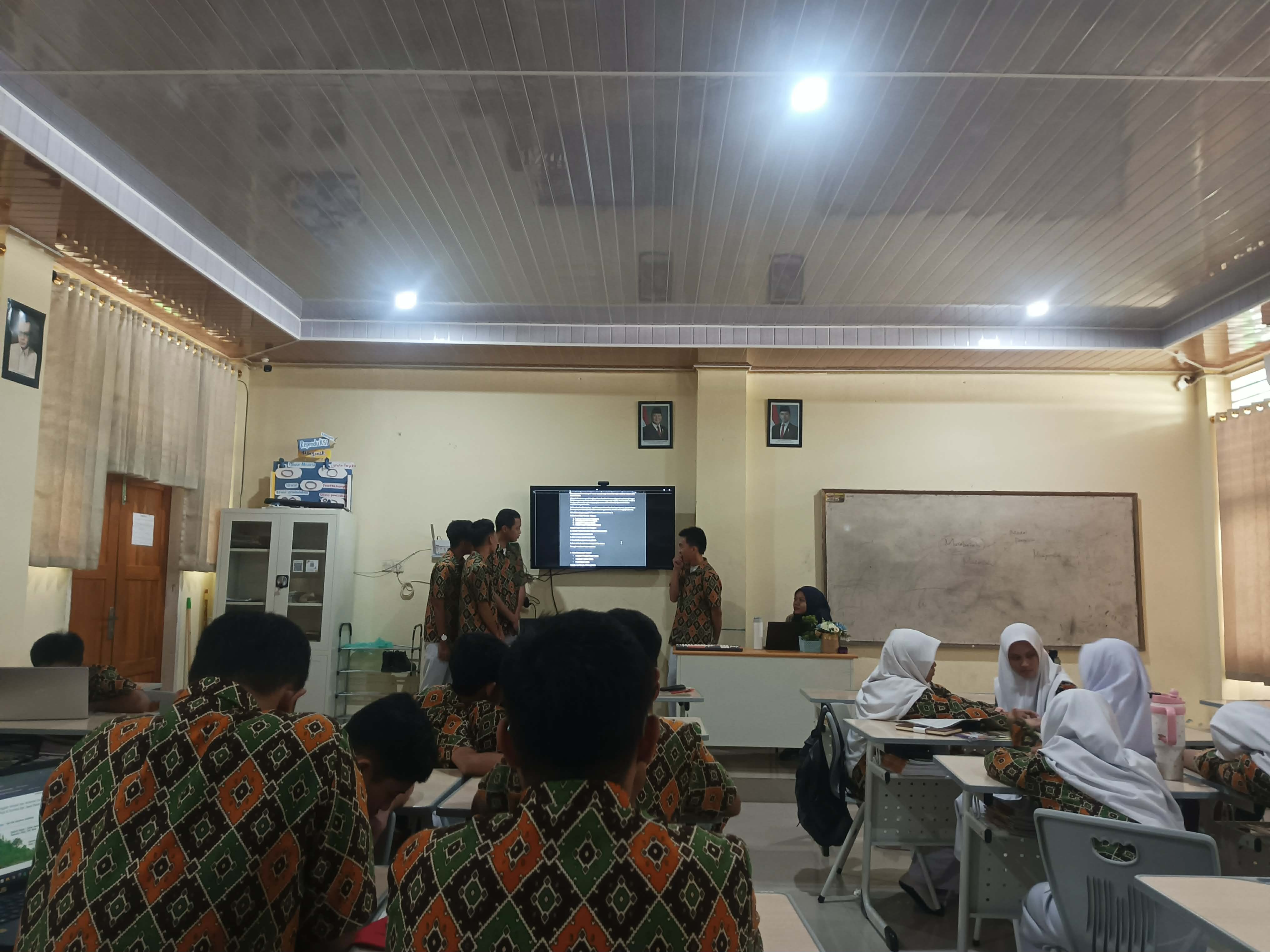
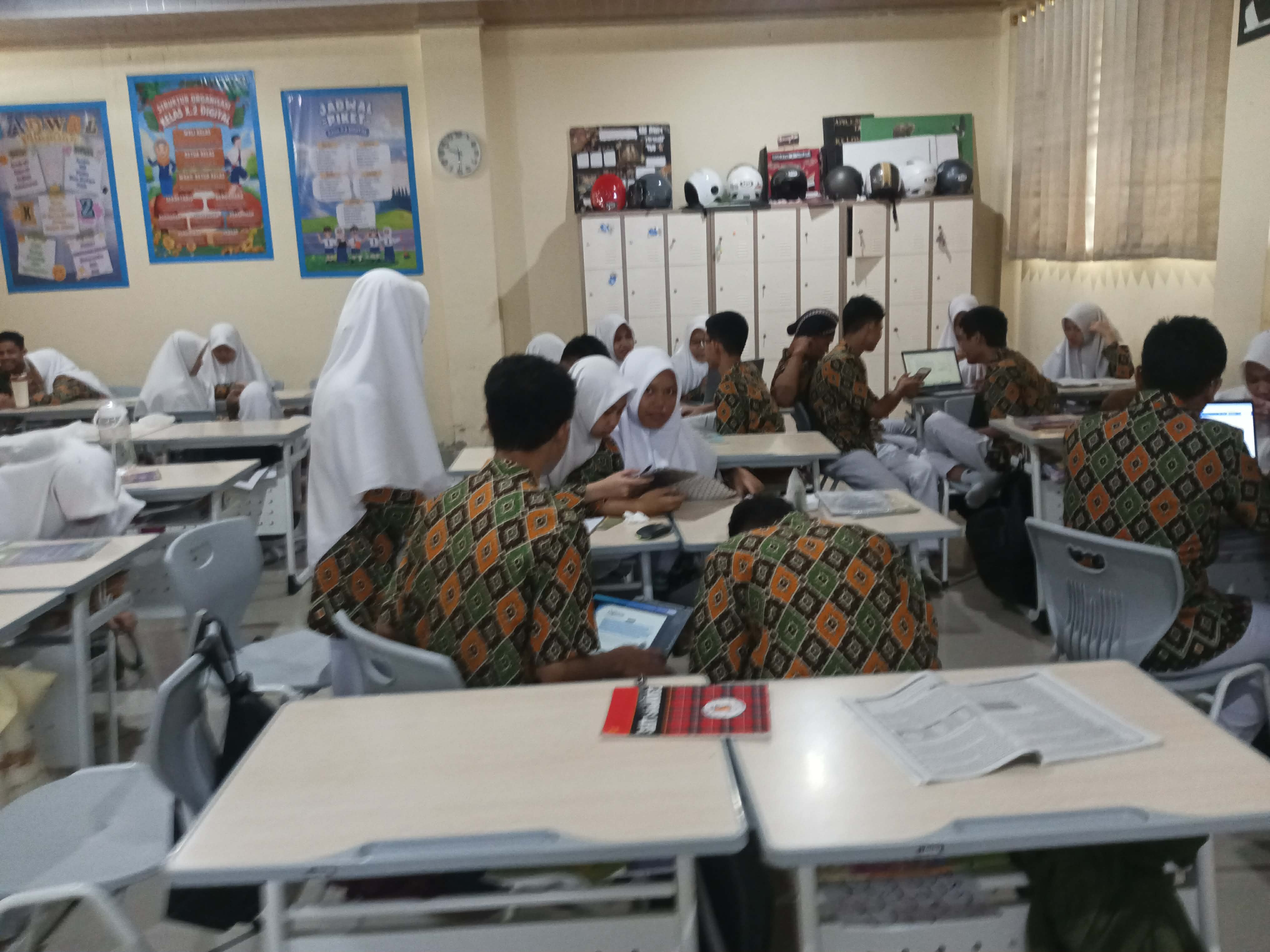
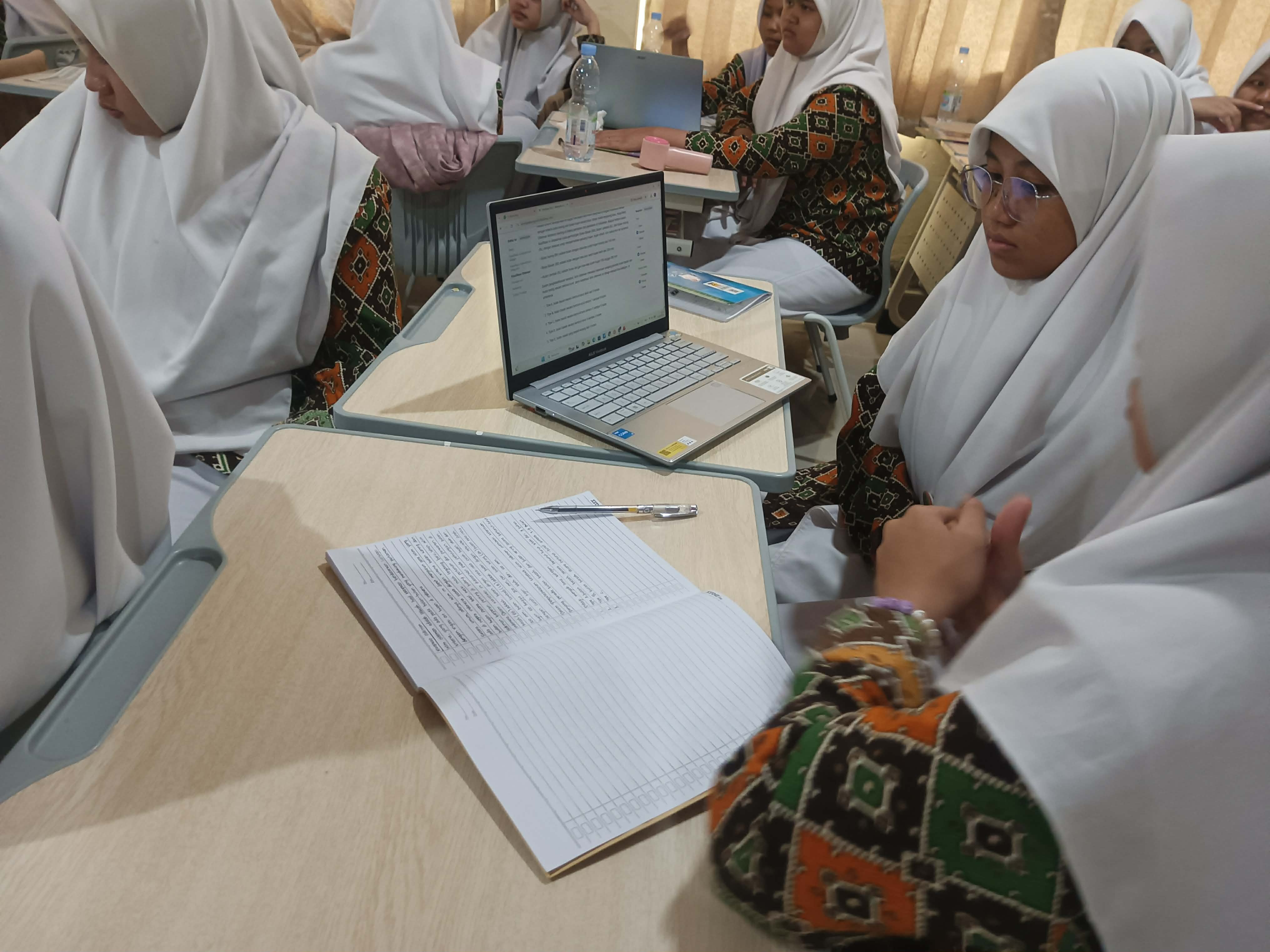
I realized that the narrative of some people about Muslims is different, because the teachers and students of MAN1 are living proof that Muslims are loving, caring, and will treat you like family. Teachers are valued through deep respect and the freedom to teach in their own way. Students are not academically burdened, as they are highly encouraged to explore, engage in extracurricular activities, and represent the school internationally. They are given enough time to review and prepare without being weighed down by academic backlogs.
In the end, it becomes clear that the true story of Muslims is one of compassion, respect, and empowerment — a narrative that deserves to be recognized and embraced.