Sea Teacher- Angelicel Gutierrez
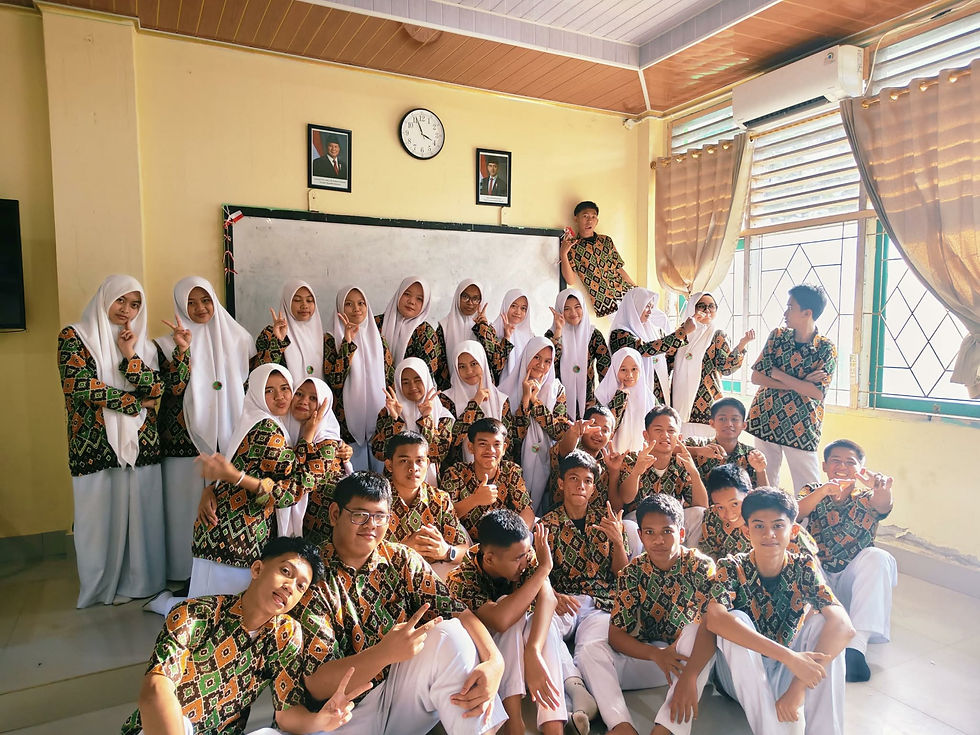
teaching is love.
Teaching is not just calling, a profession, a passion, or a vocation. Teaching is love-because it demands compassion and unconditional care for every learner.
Contact Information


Brgy Poblacion 1, Basud Camarines Norte

gutierrezangelicel029@gmail.com
Follow me on
09923531369
Teaching with Love
At the heart of my teaching philosophy is a simple truth: teaching is love. It is the love of learning, the love of guiding others, and the love of seeing students grow into their fullest potential. Every lesson I share is an act of care — a way of nurturing curiosity, building confidence, and creating a safe space where learners feel valued and inspired. This page reflects my journey as an educator who believes that love is the foundation of meaningful teaching. Through patience, creativity, and compassion, I strive to make education not just about knowledge, but about connection, growth, and hope.

Teaching Beyond Words
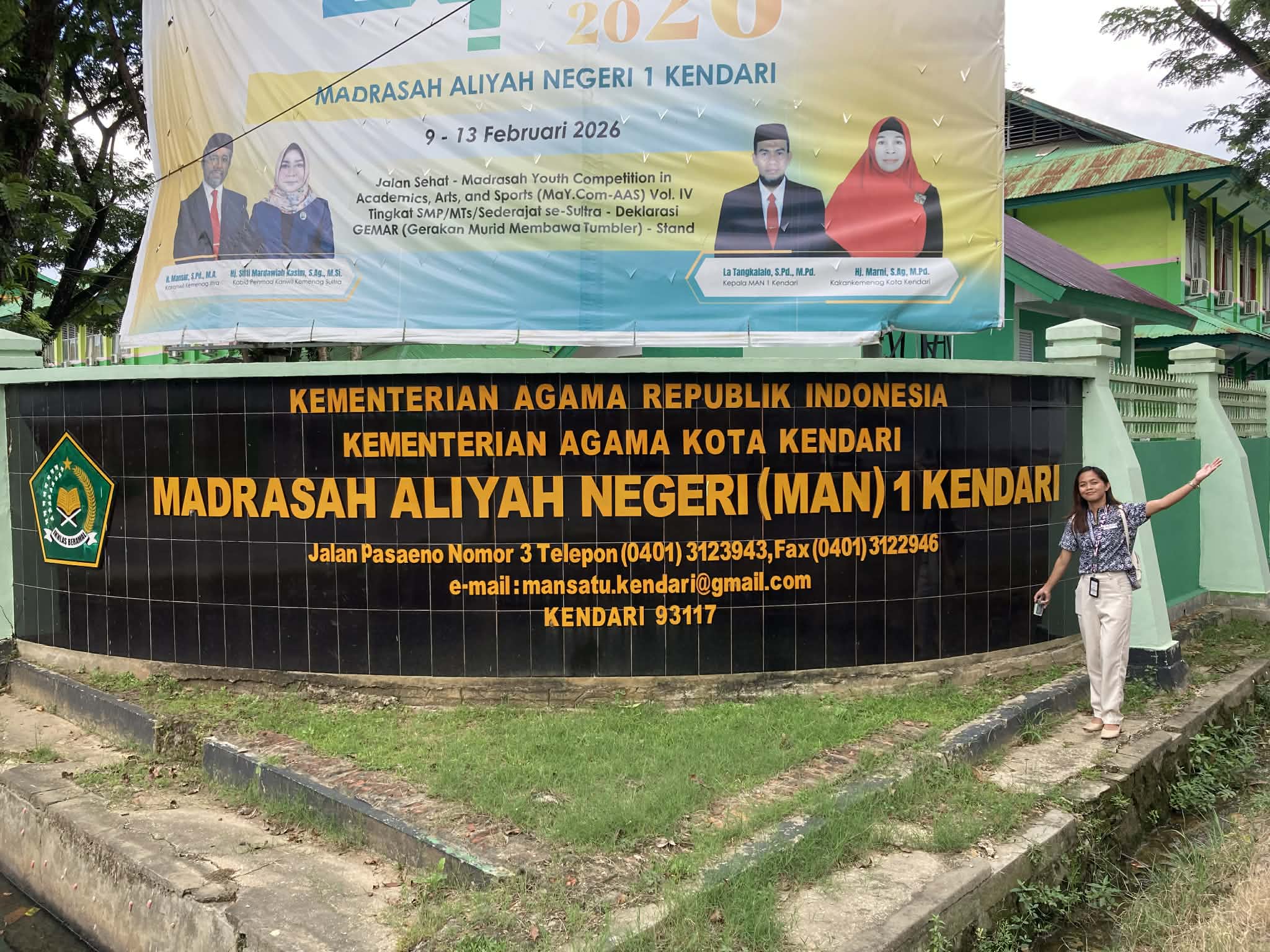
My Journey in Indonesia
Have you ever stood in front of a classroom and felt your heart race, wondering if your words would truly reach your students? I remember my first day teaching in Indonesia — the room was quiet, the students curious, and I was both nervous and excited. That moment taught me something powerful: teaching isn’t just about delivering lessons, it’s about creating stories that students carry with them long after the bell rings.
But teaching becomes even more challenging when language itself is no longer a bridge. Imagine standing before students who speak a different language, where words fail to connect. In those moments, a teacher must adjust, think creatively, and find new strategies — gestures, pictures, music, even videos — to reach learners. Communication goes beyond words; it requires patience, creativity, and above all, unconditional love. Because when love guides teaching, barriers like language turn into opportunities to connect in deeper, more human ways.


In my case, I used every strategy I knew to engage learners and help them communicate despite language barriers and their shyness in speaking English. I was teaching geography, and my topic was the Marine Waters of Indonesia. To make the lesson come alive, I turned it into a story.
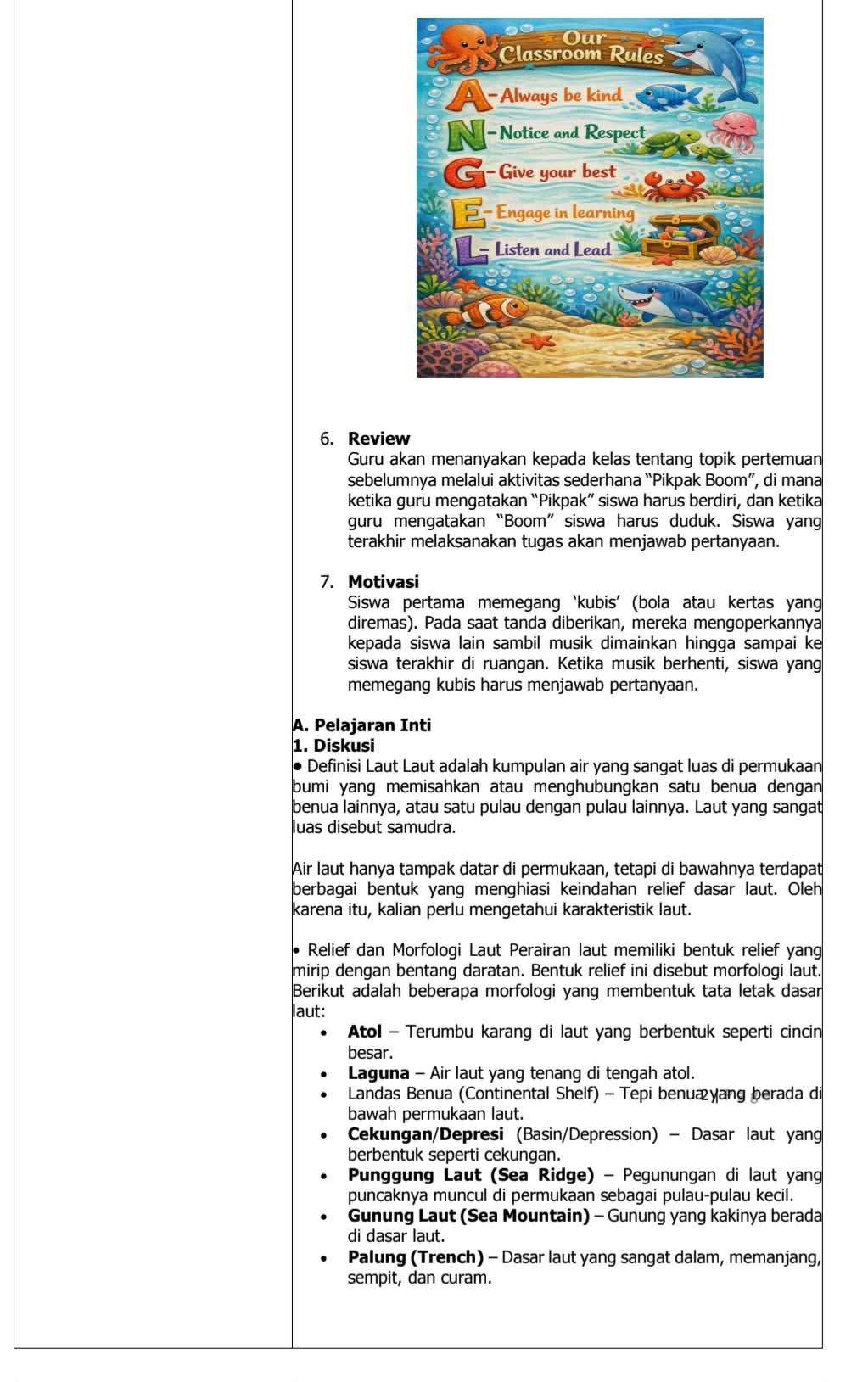
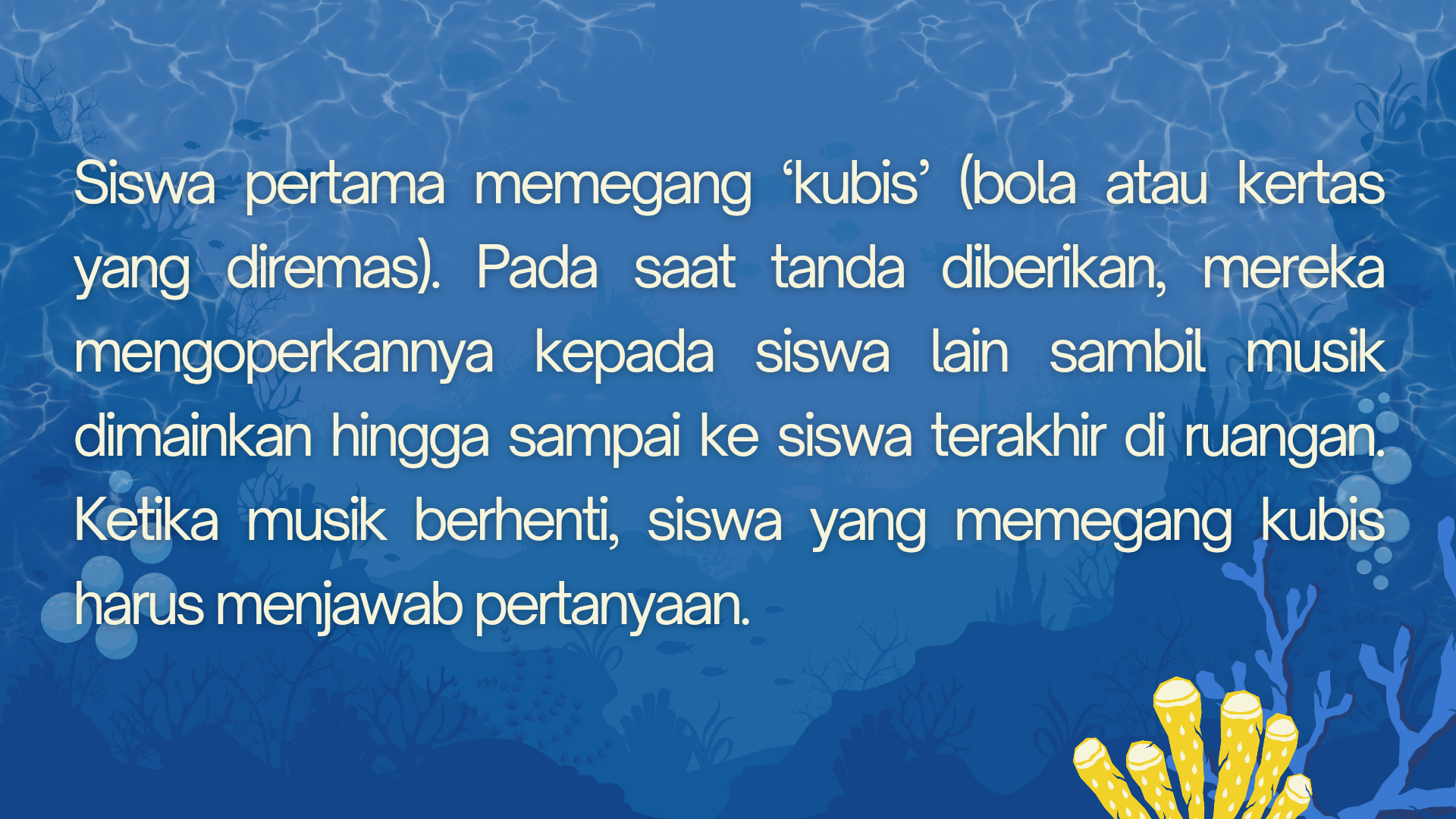
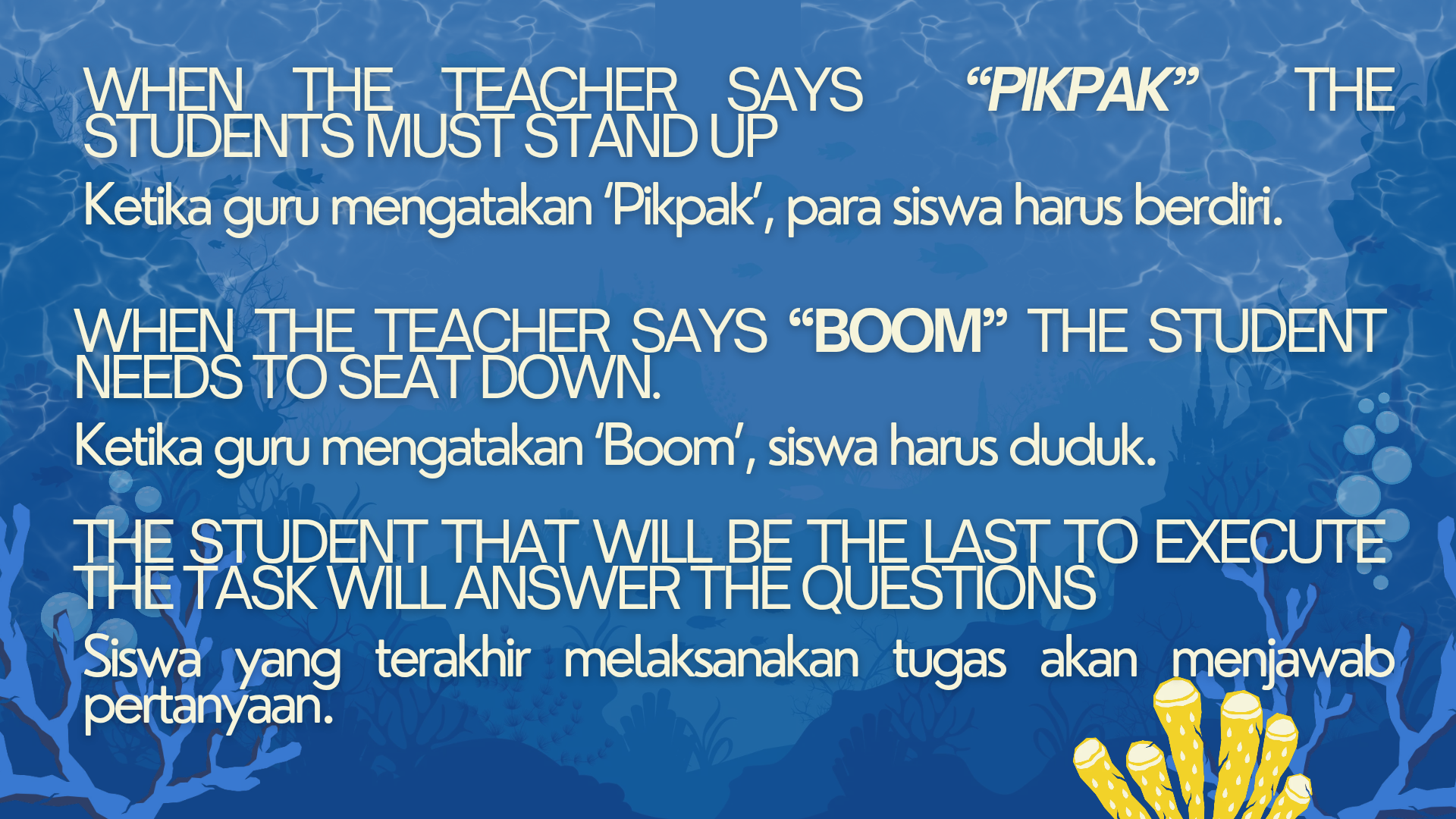
Pikpak-boom game: Students stood up or sat down depending on my command, with the last to respond will answer a review question.
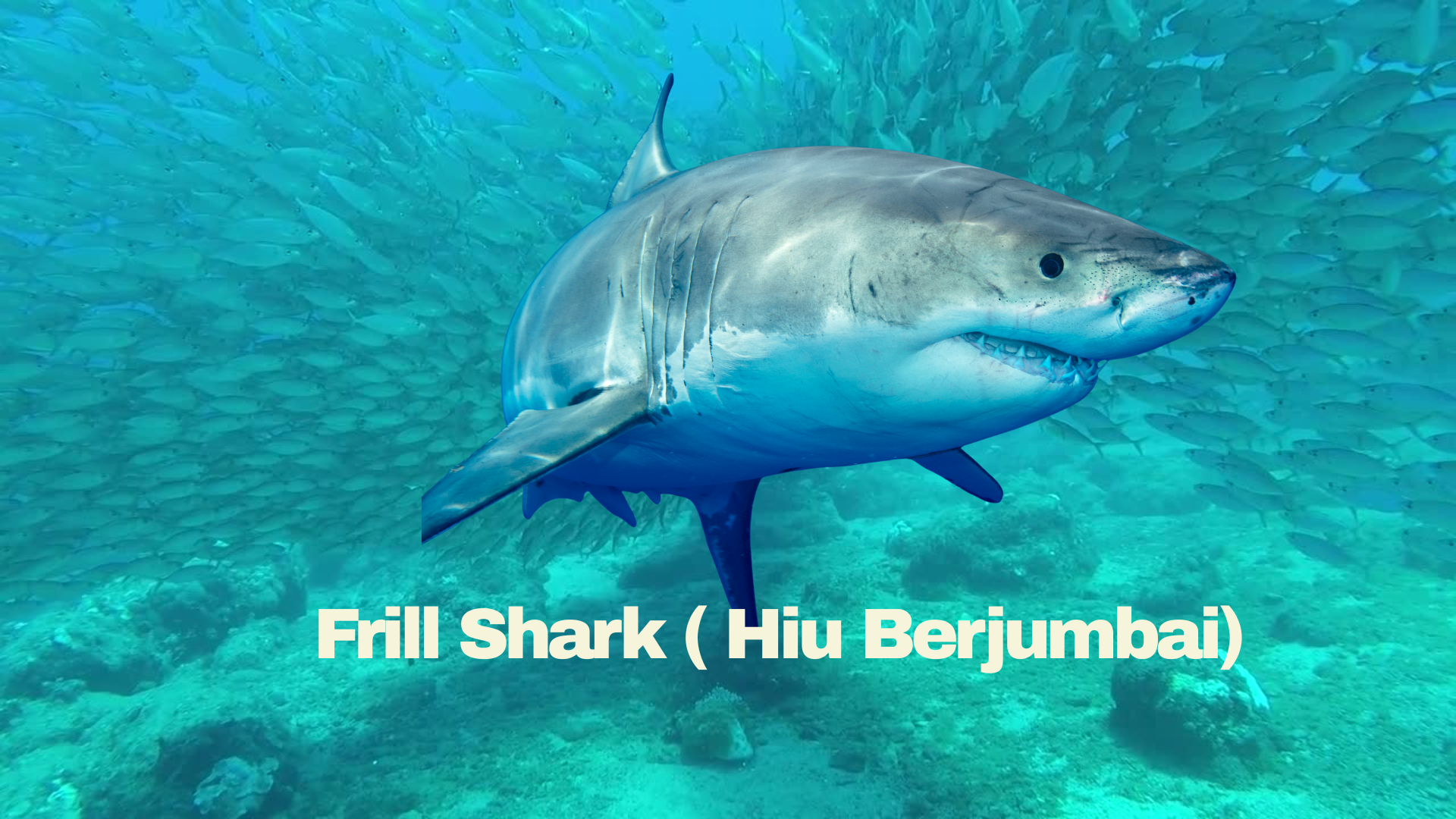
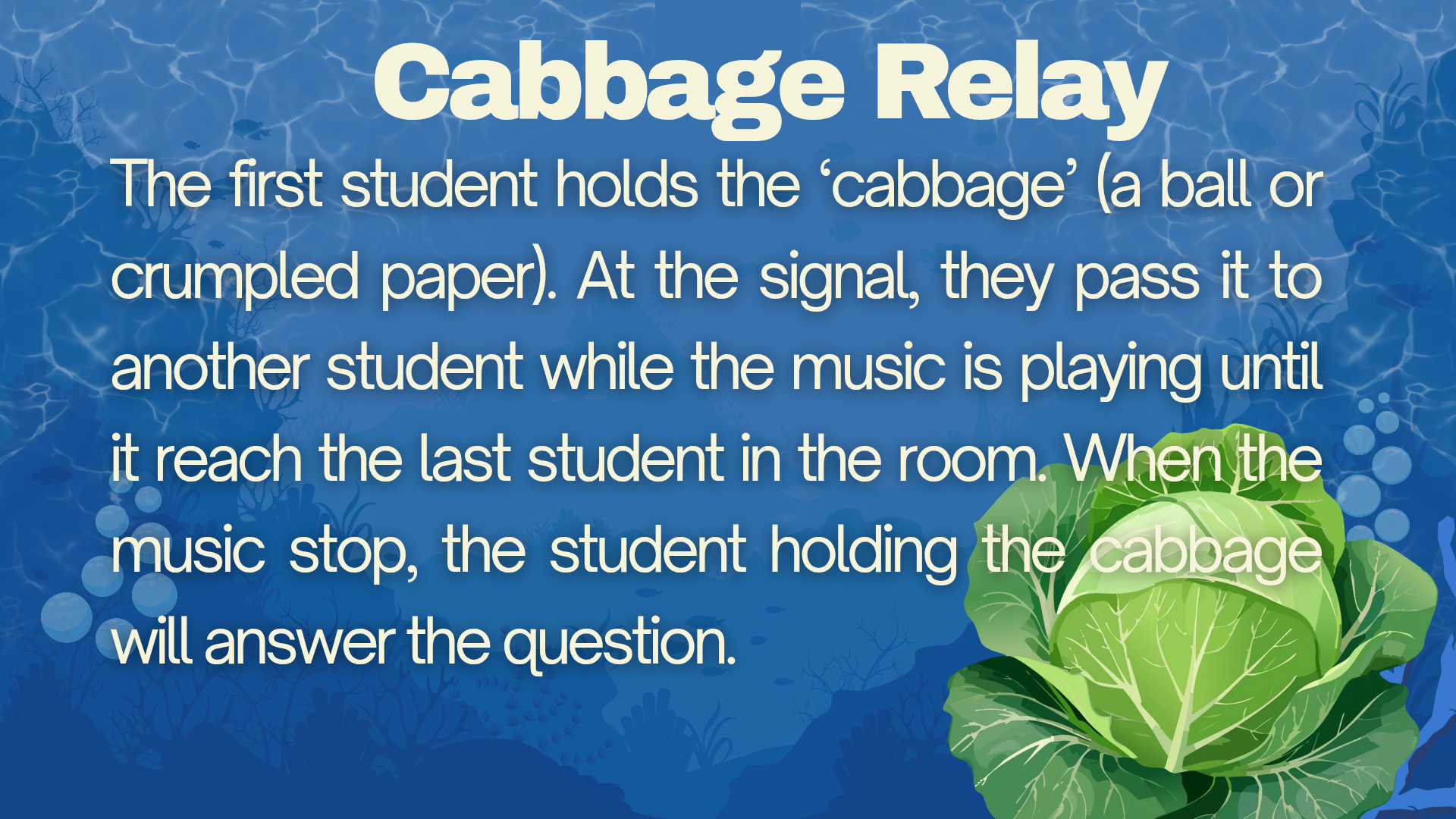
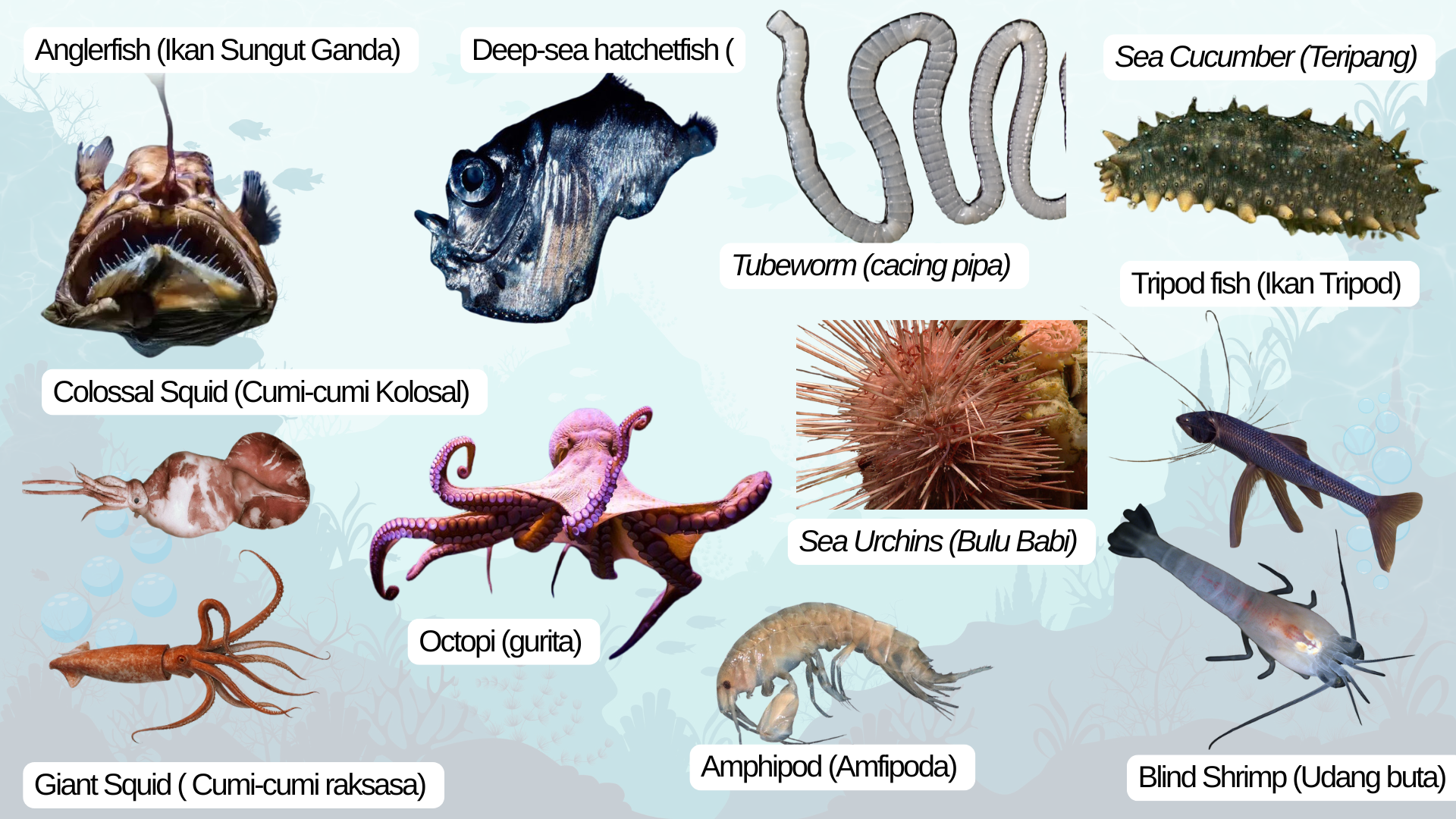
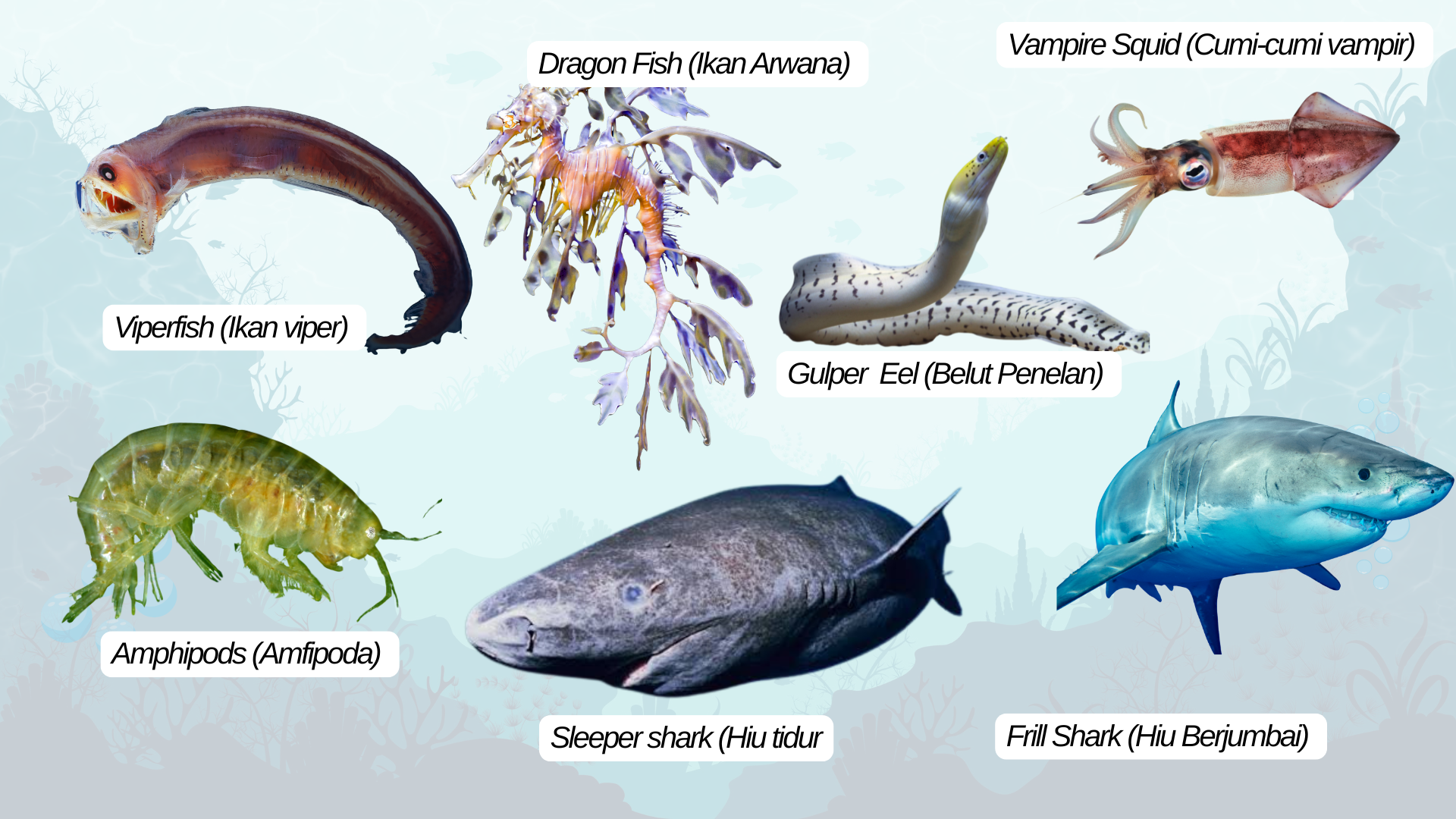
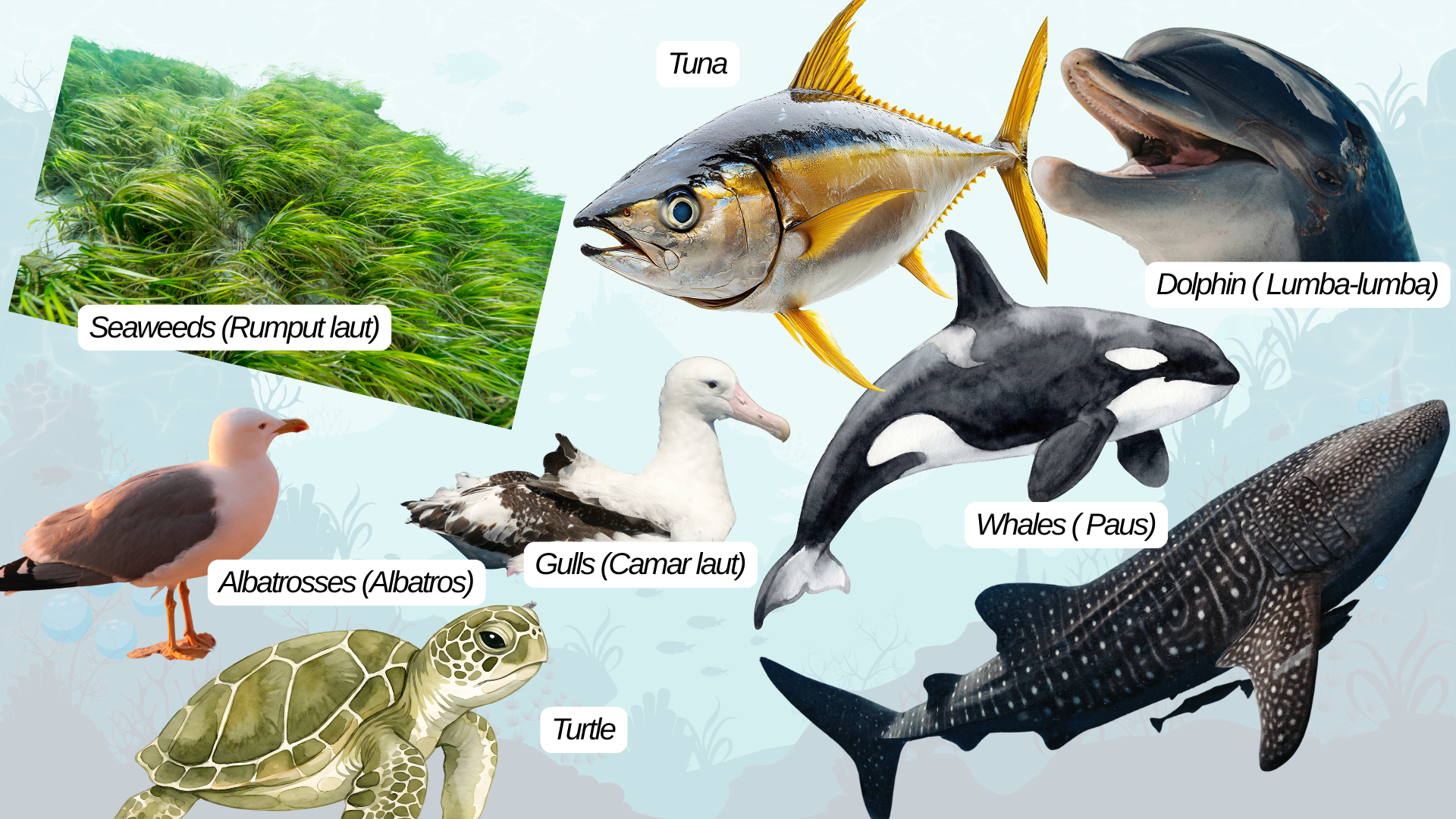
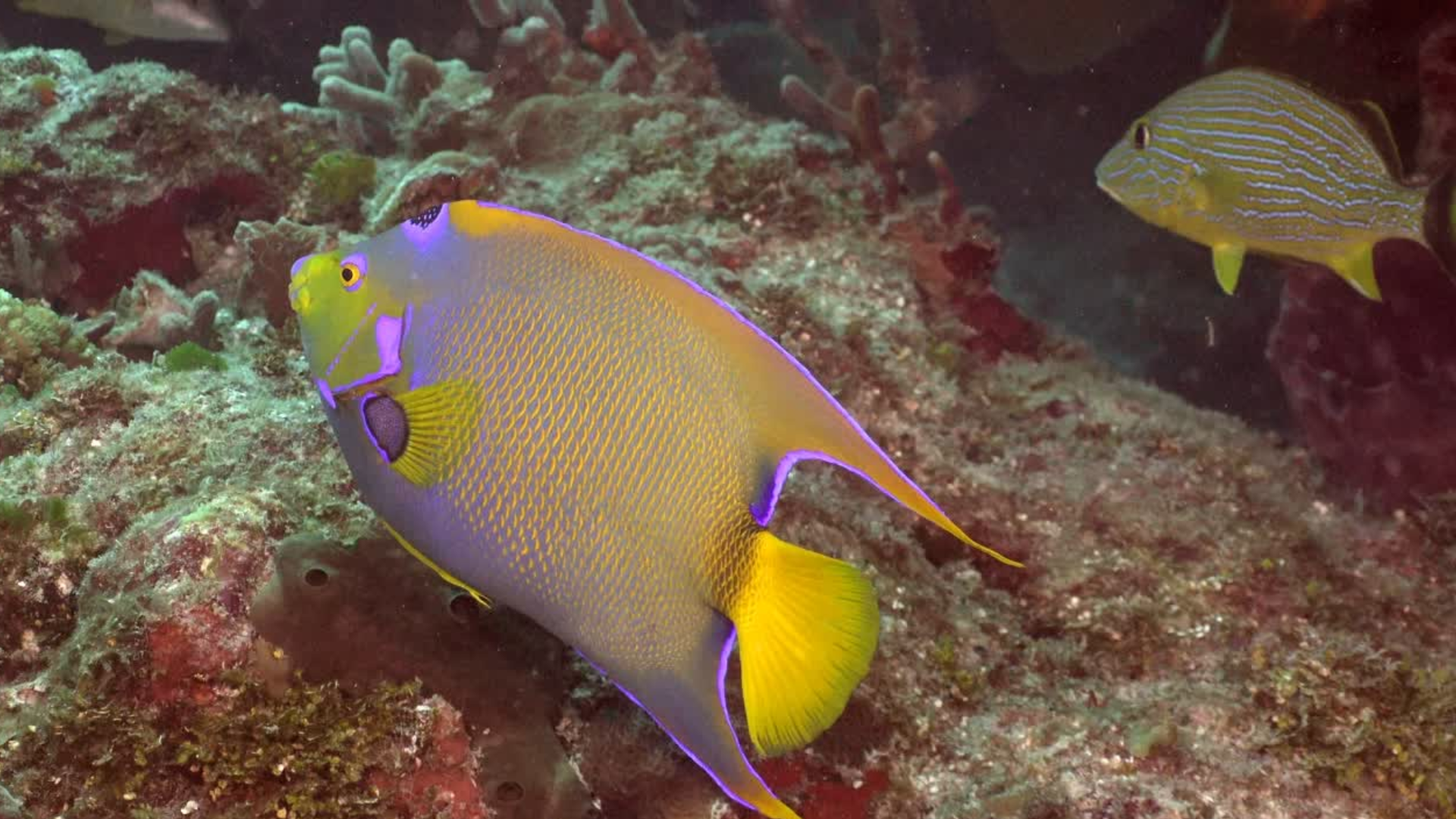
Cabbage relay: Students passed a ball while music played, and when it stopped, the one holding it guessed sea animals in pictures (sharks, turtles, dolphins, octopi). Correct answers earned rewards like keychains from my country or a clap from the class.
These activities broke shyness, encouraged participation, and built excitement before diving into the lesson.


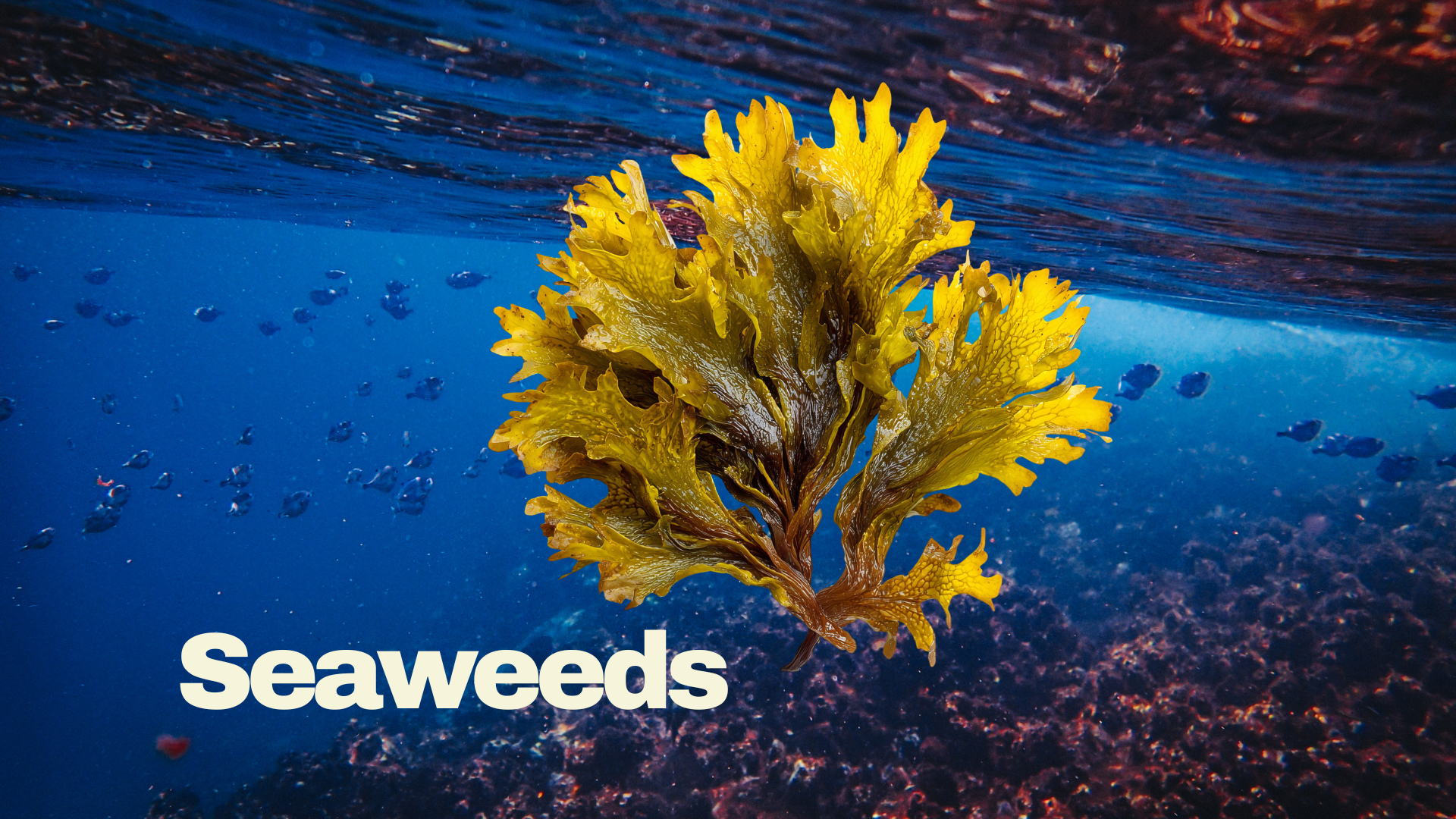
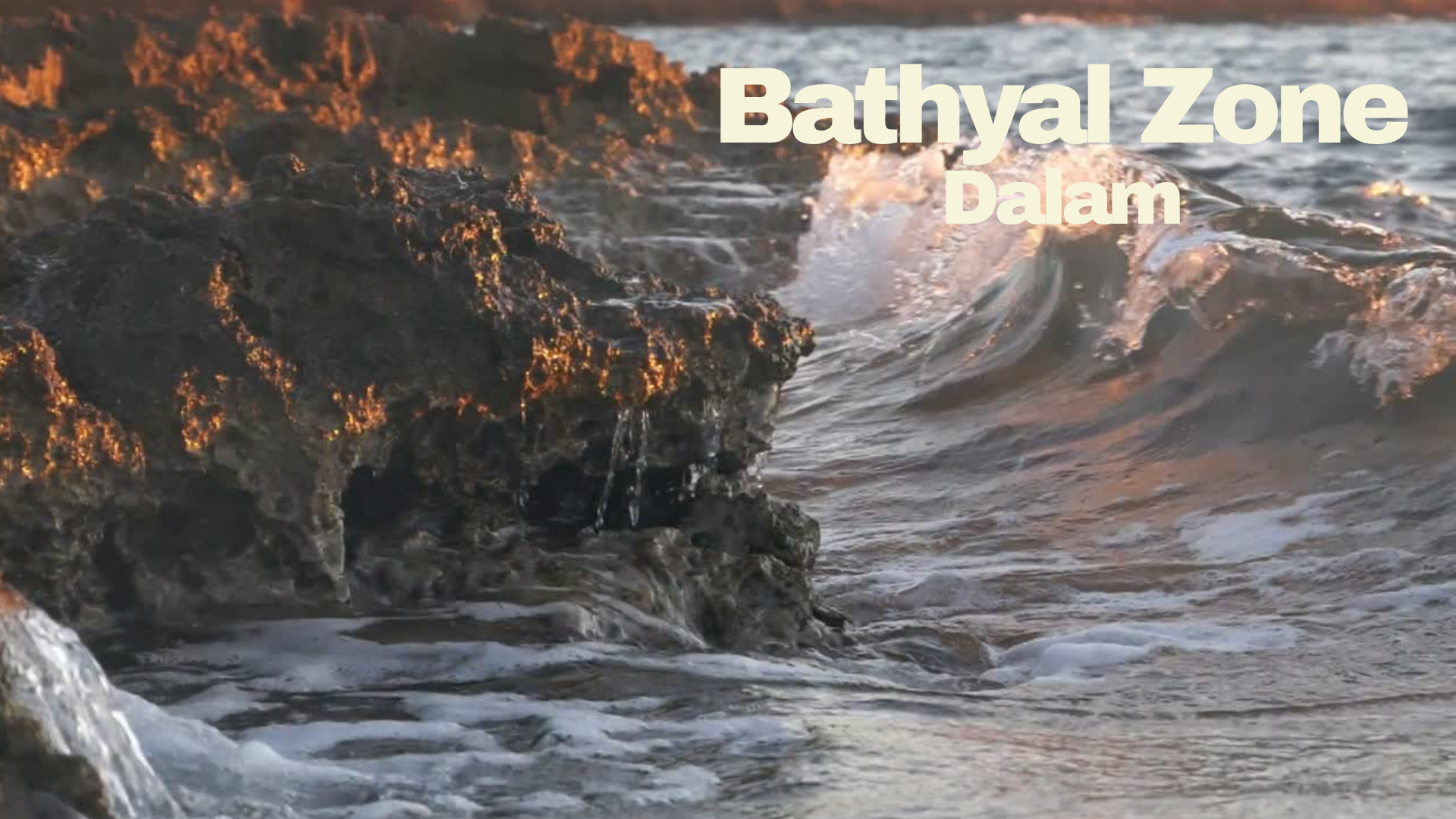
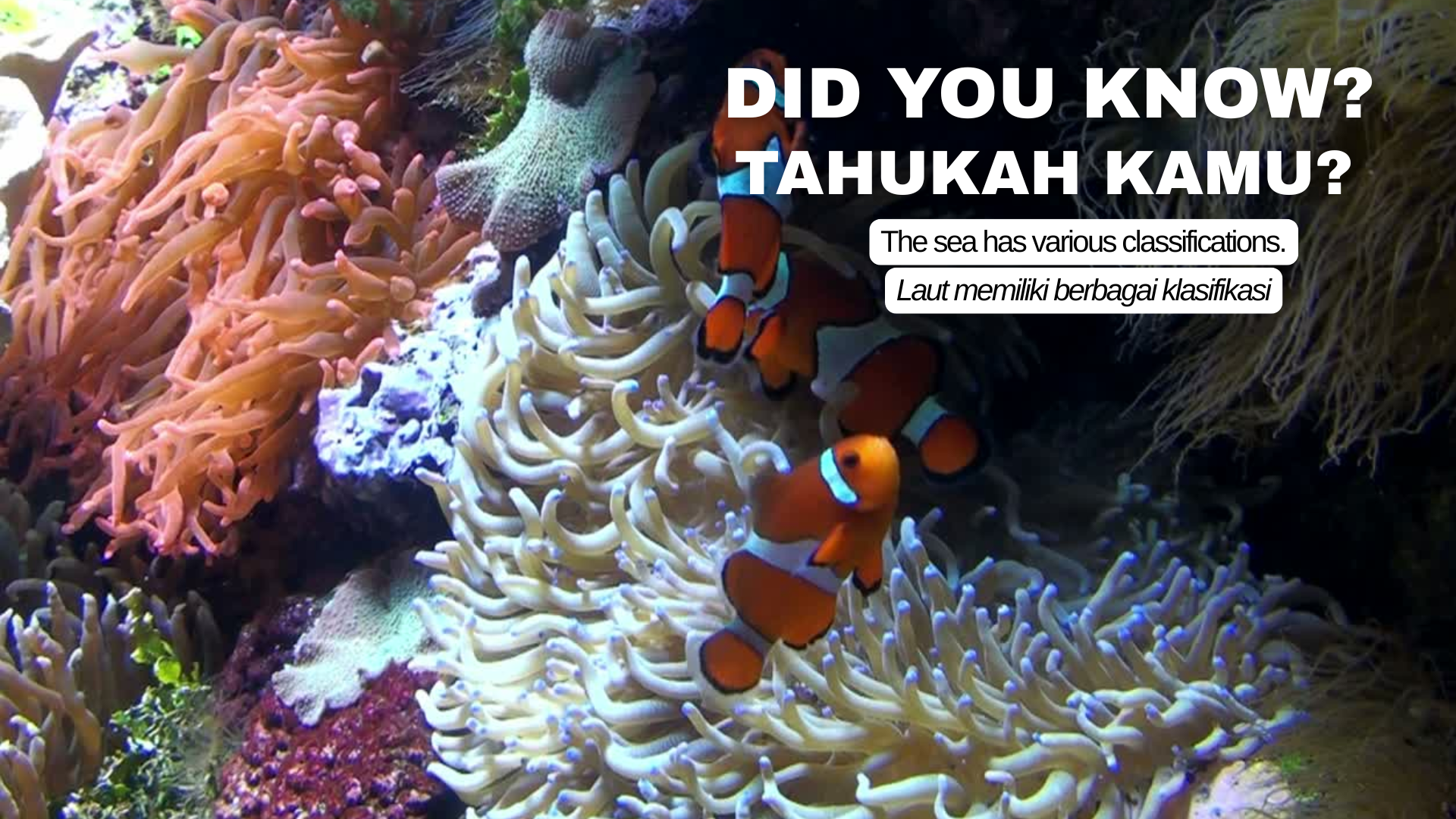
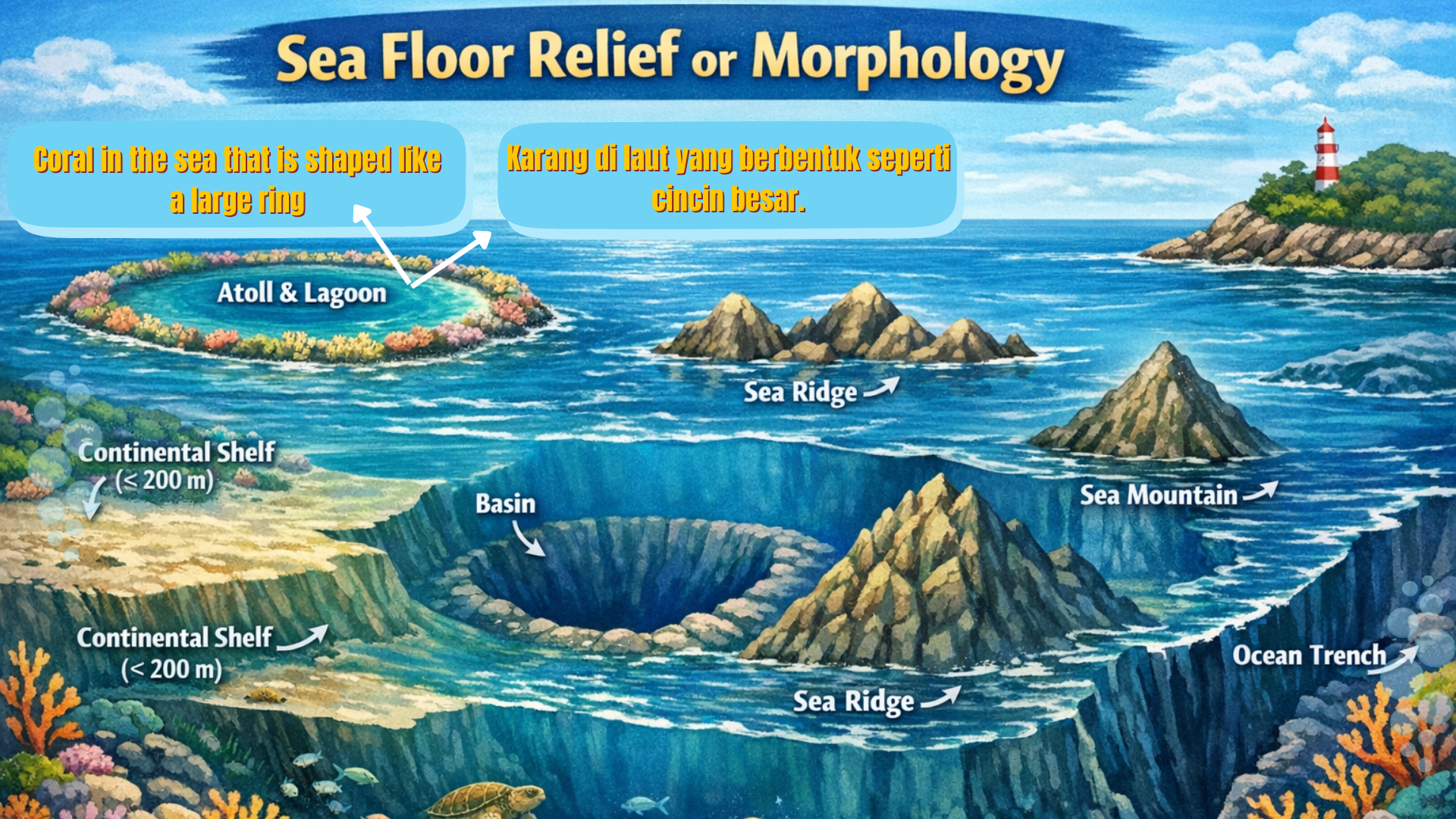
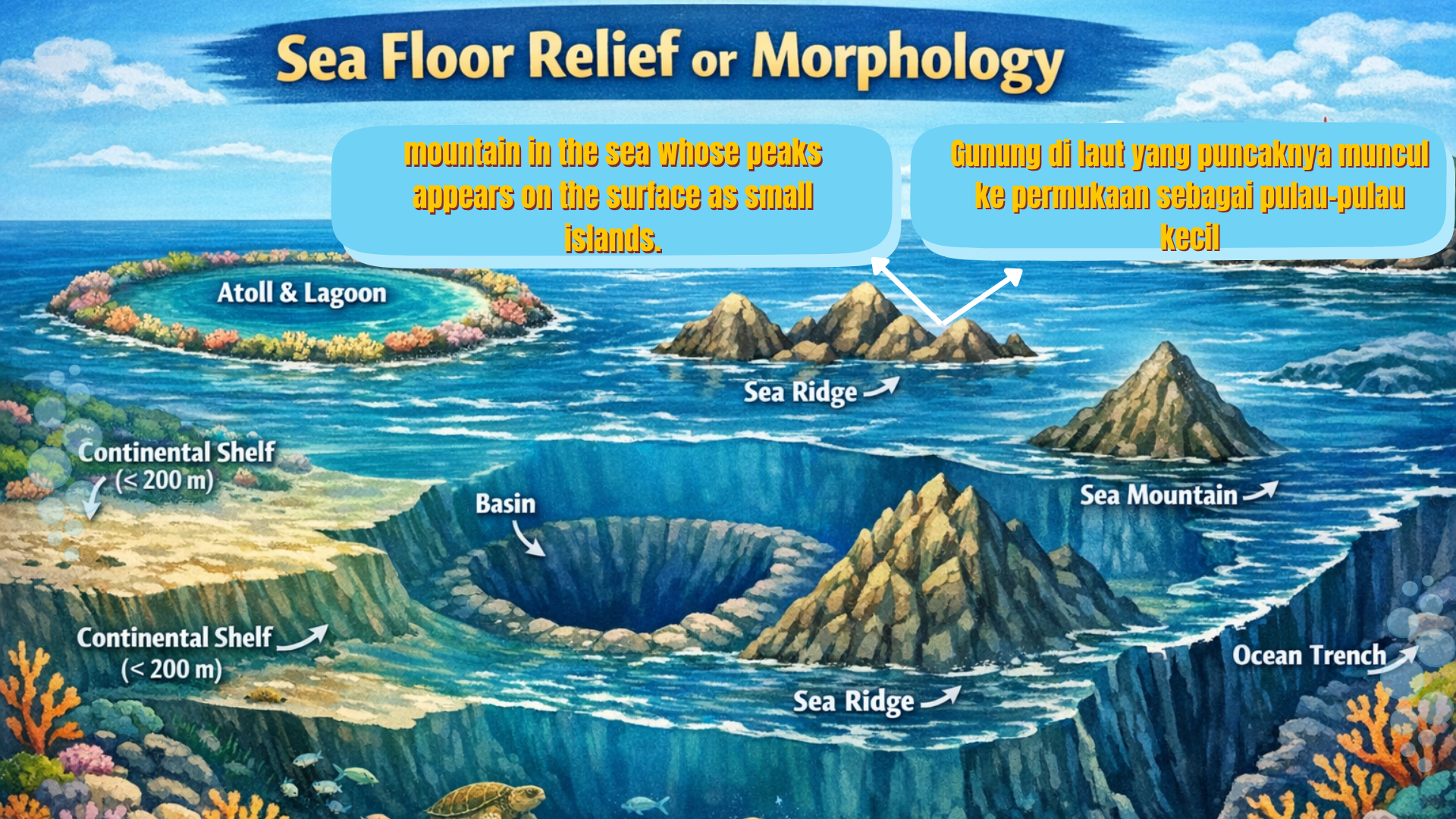
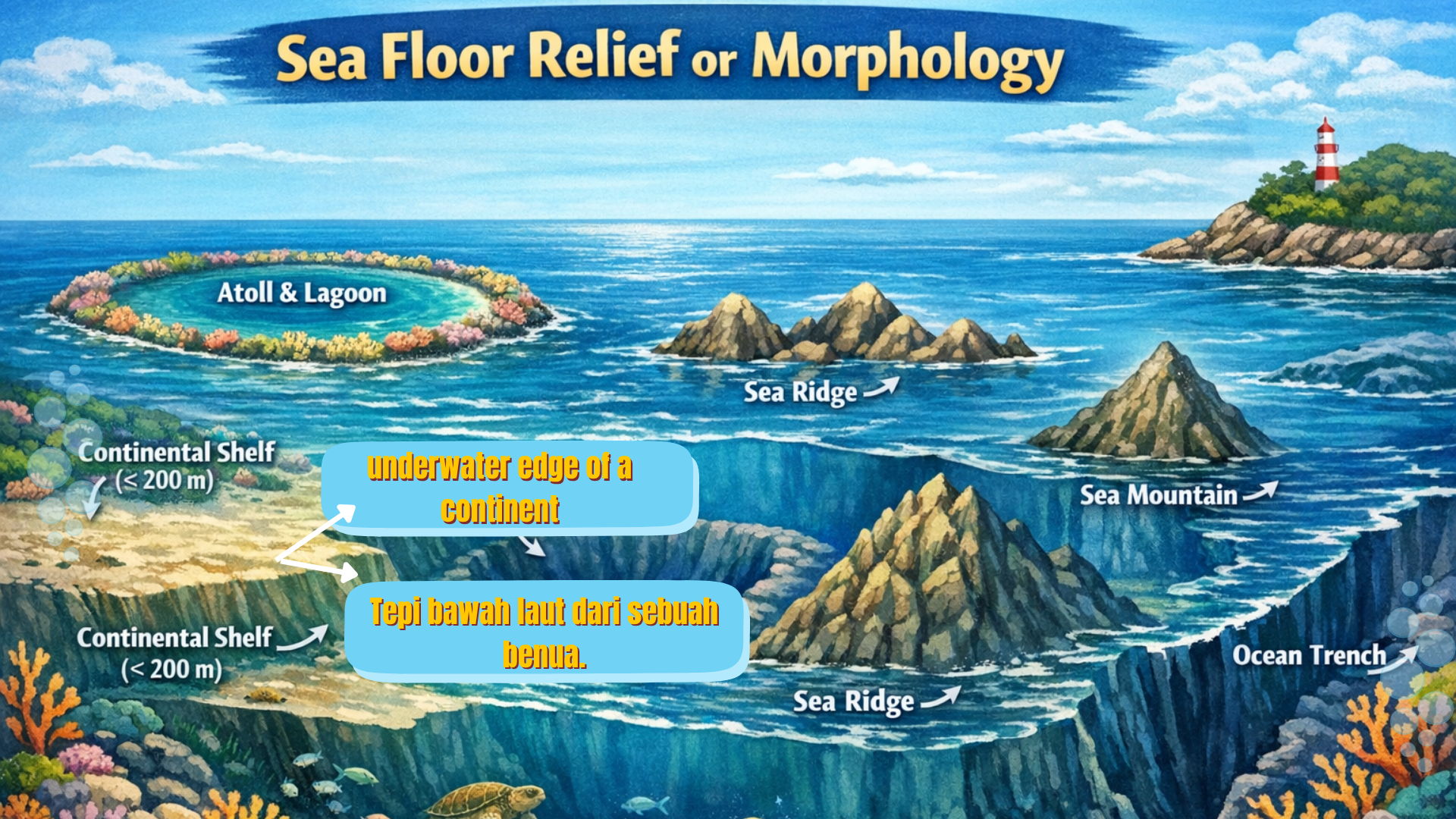
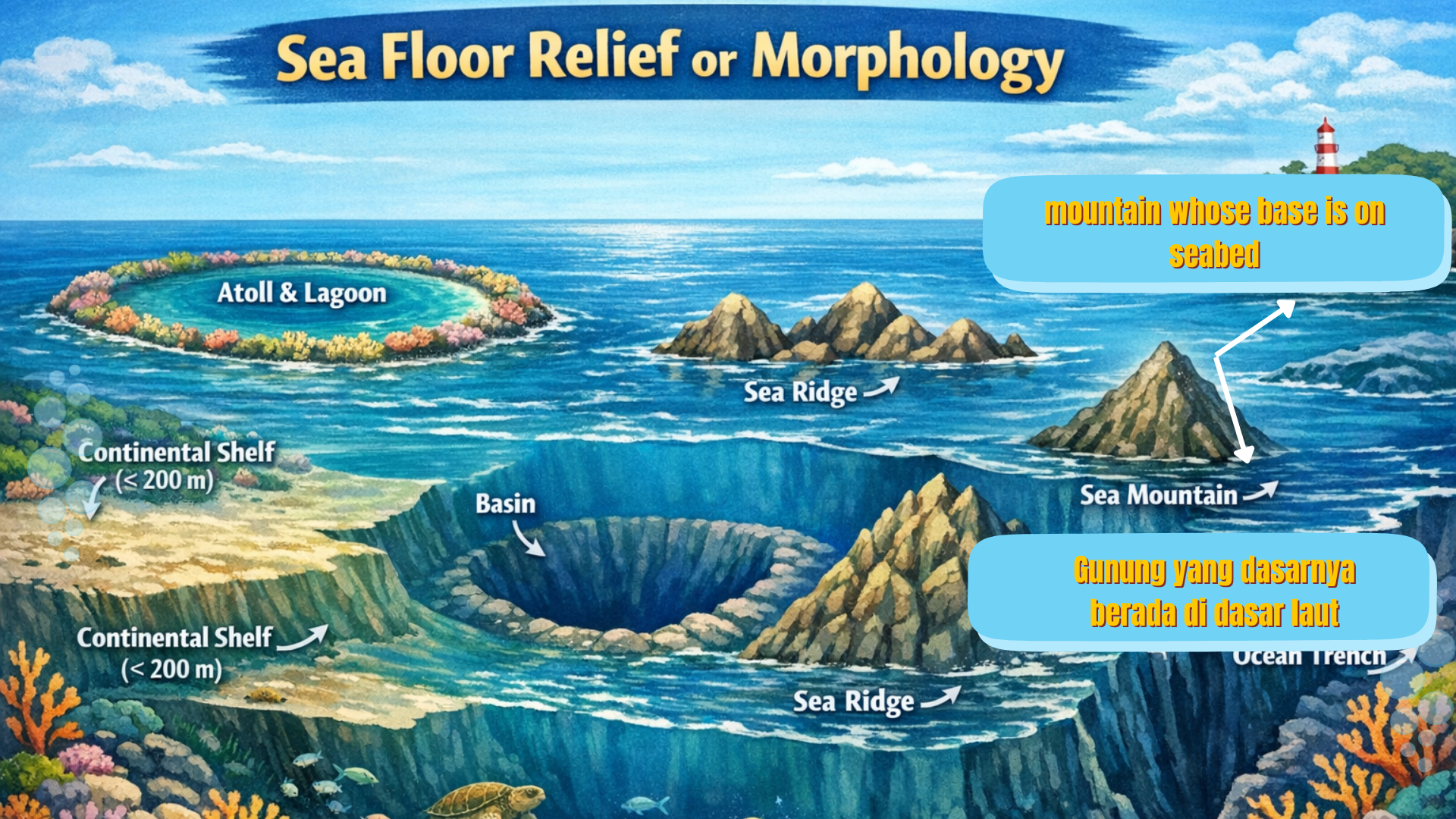
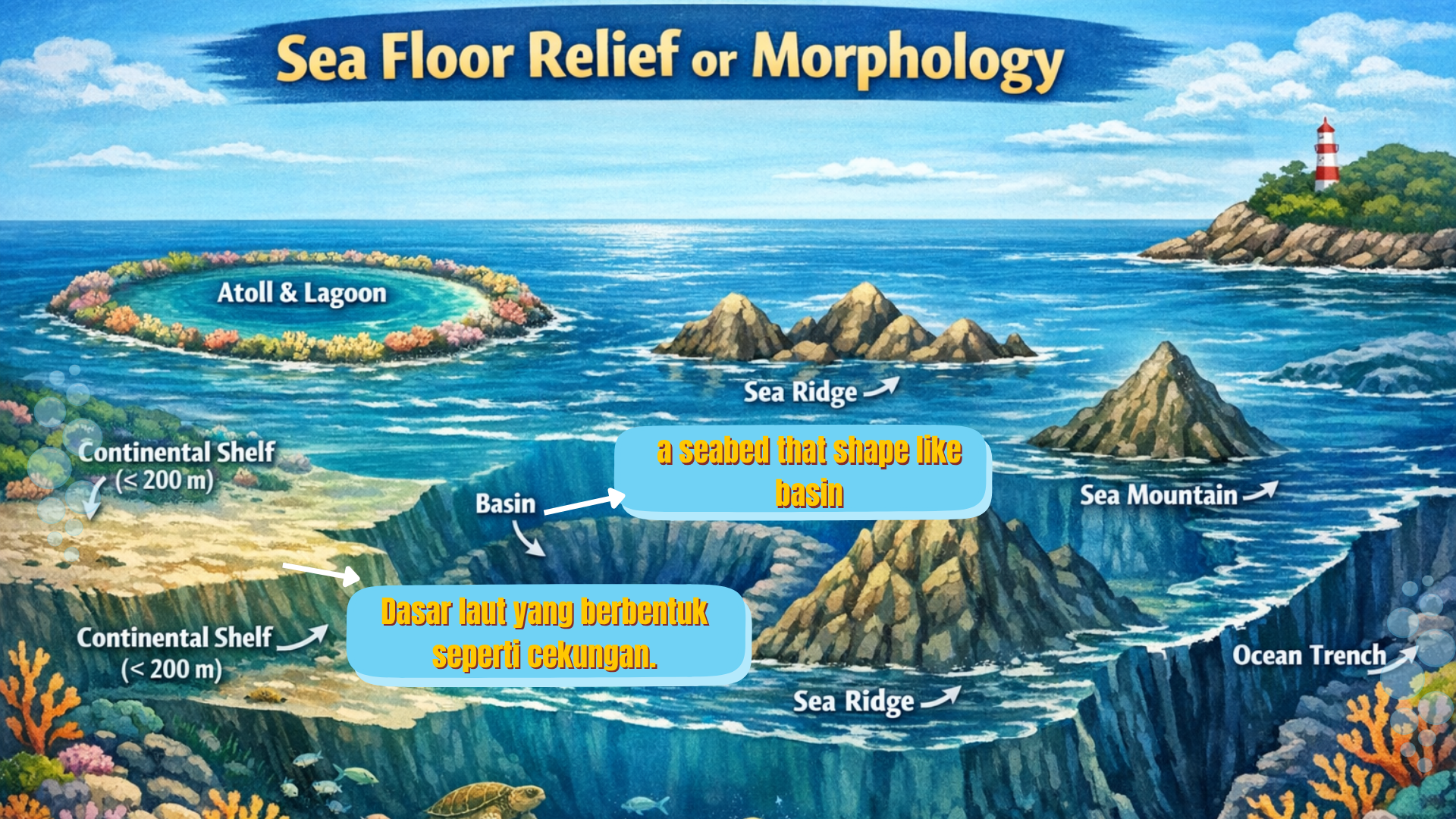
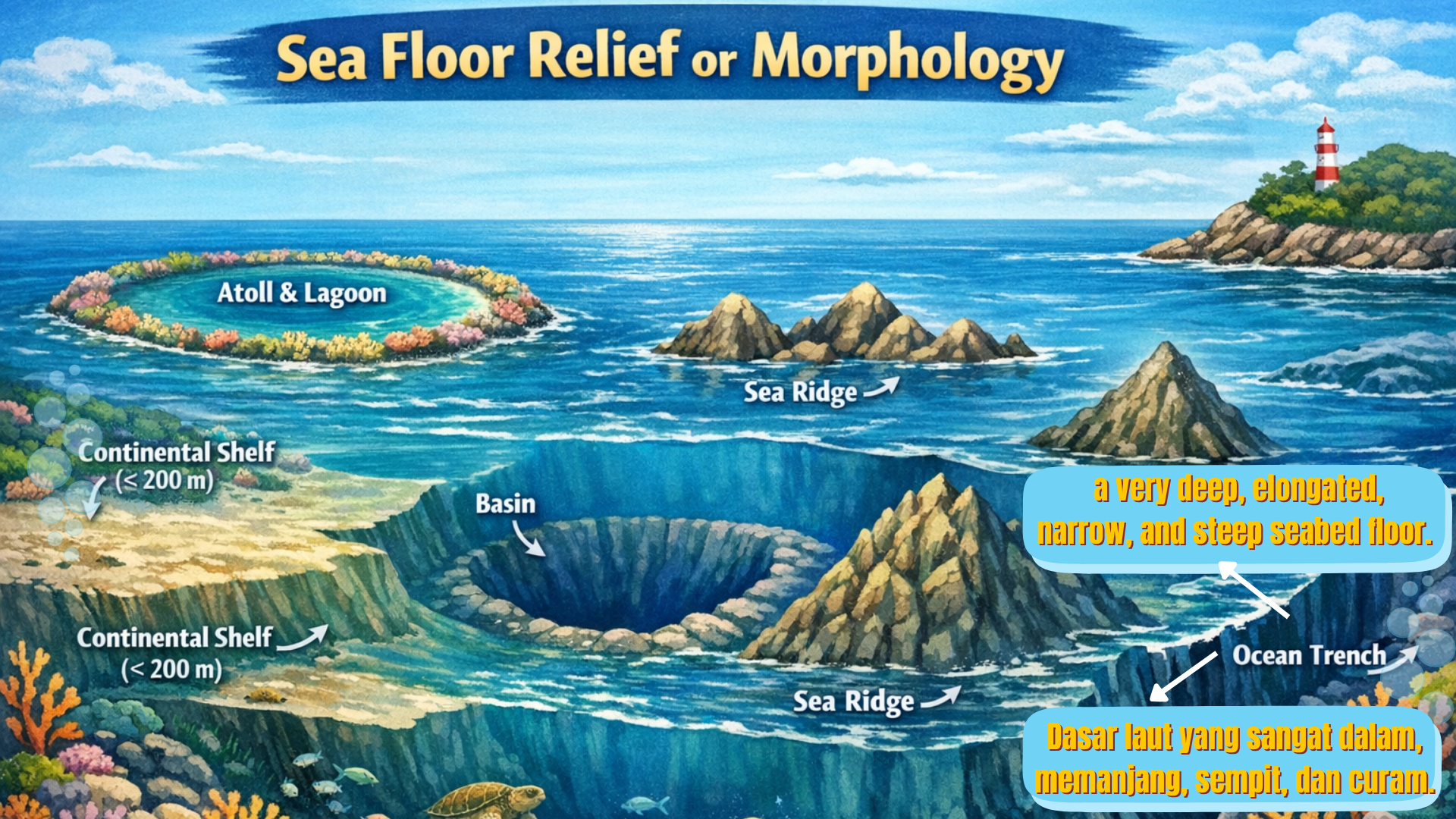
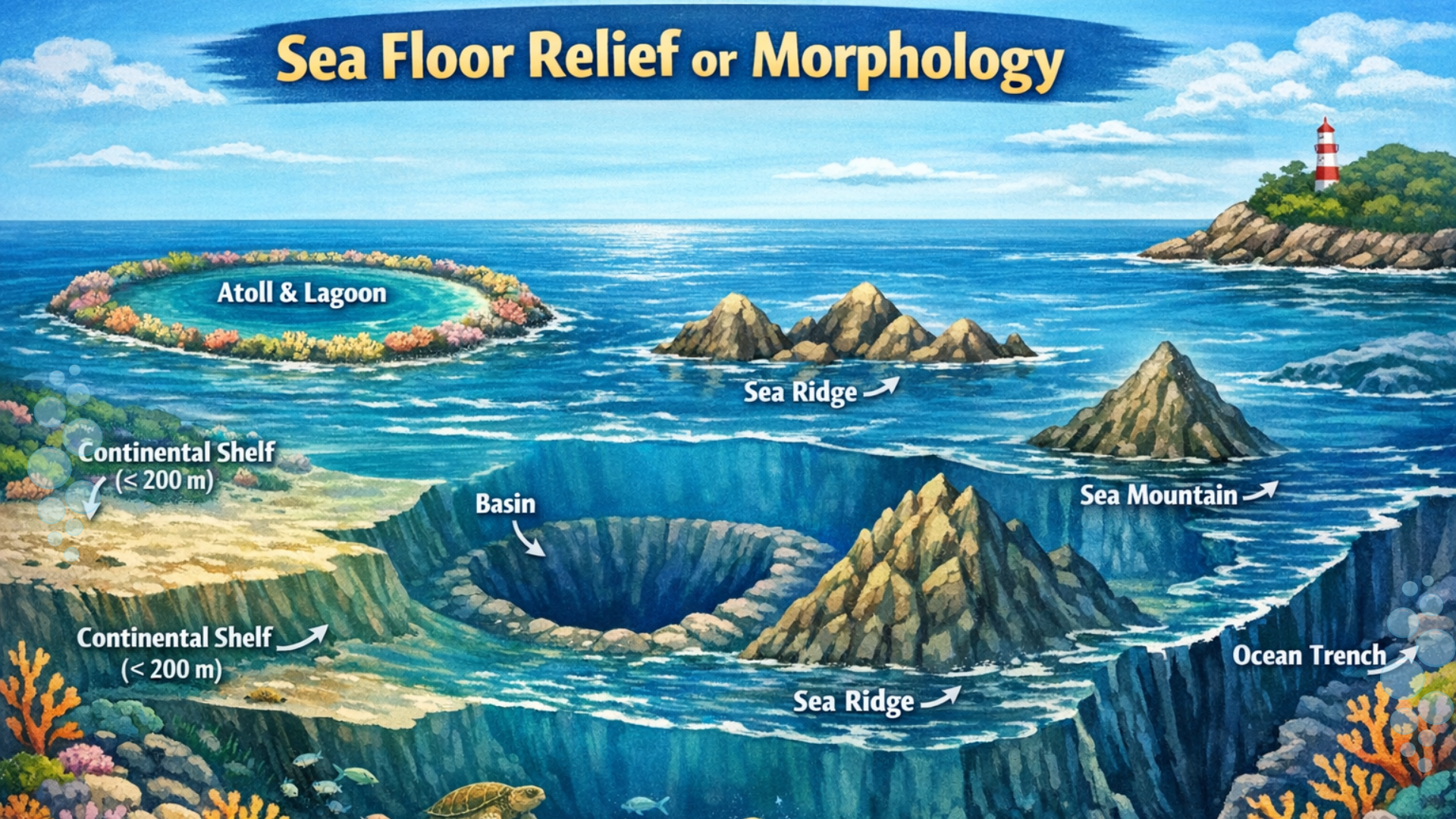
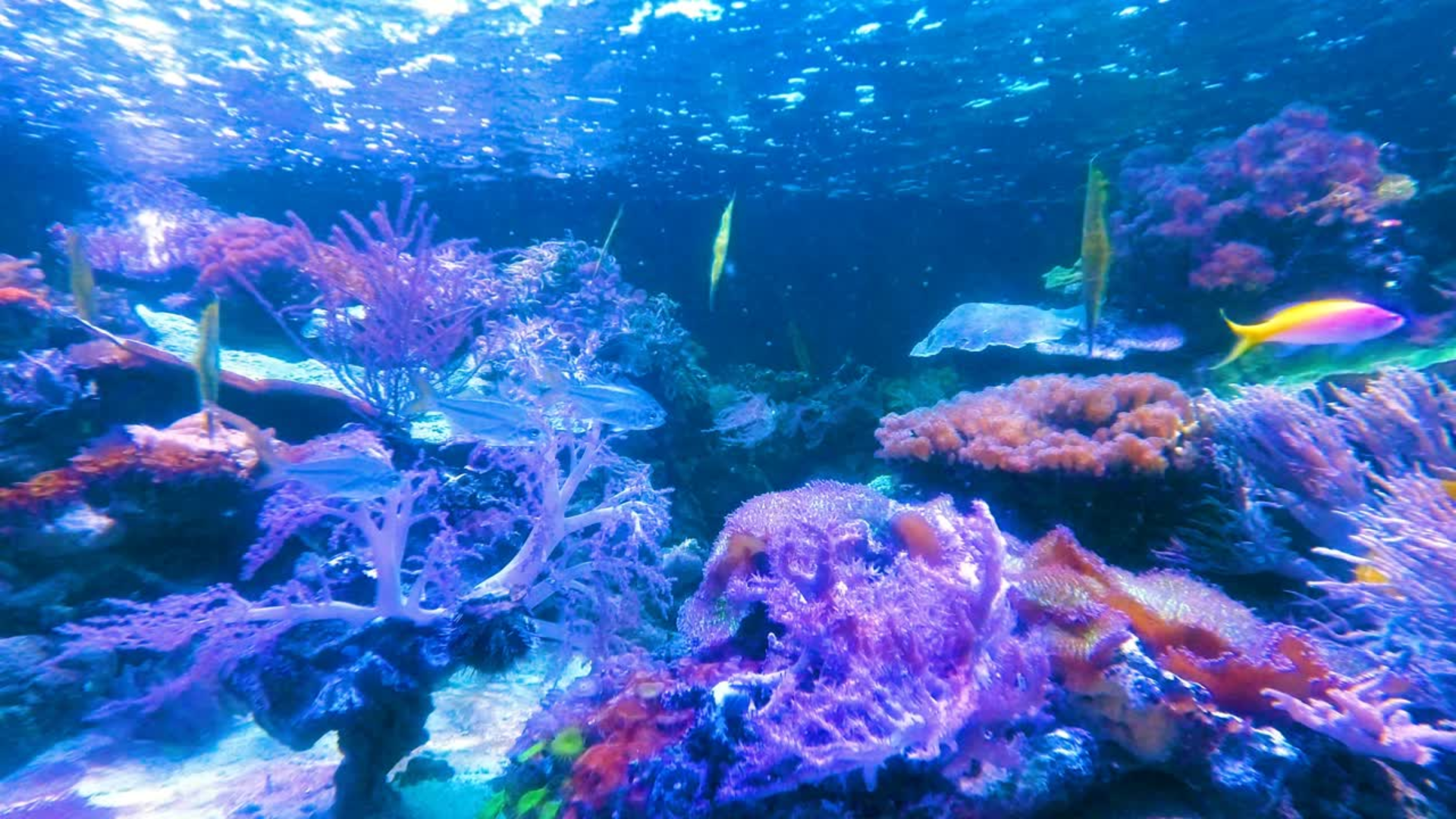
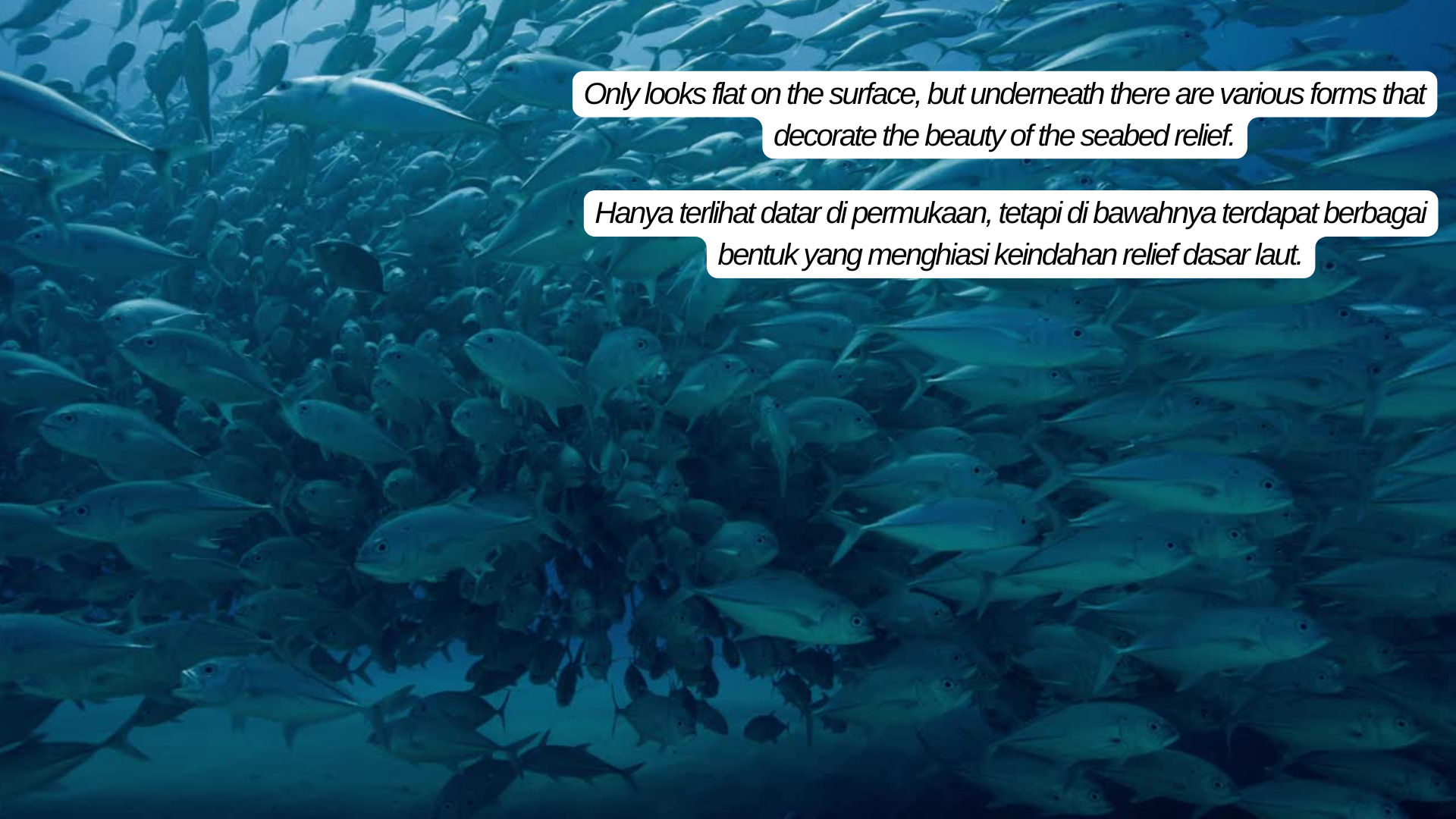
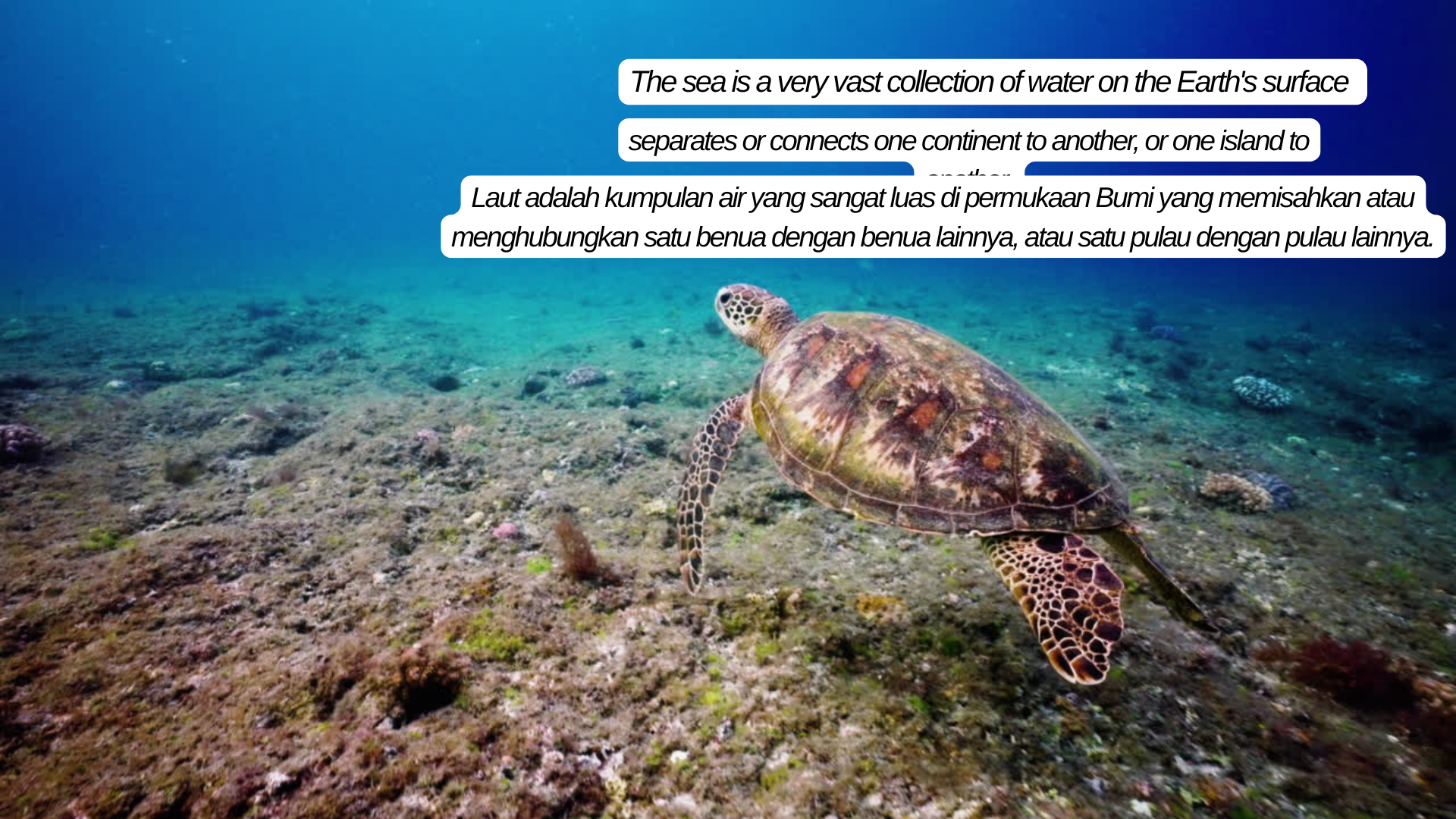
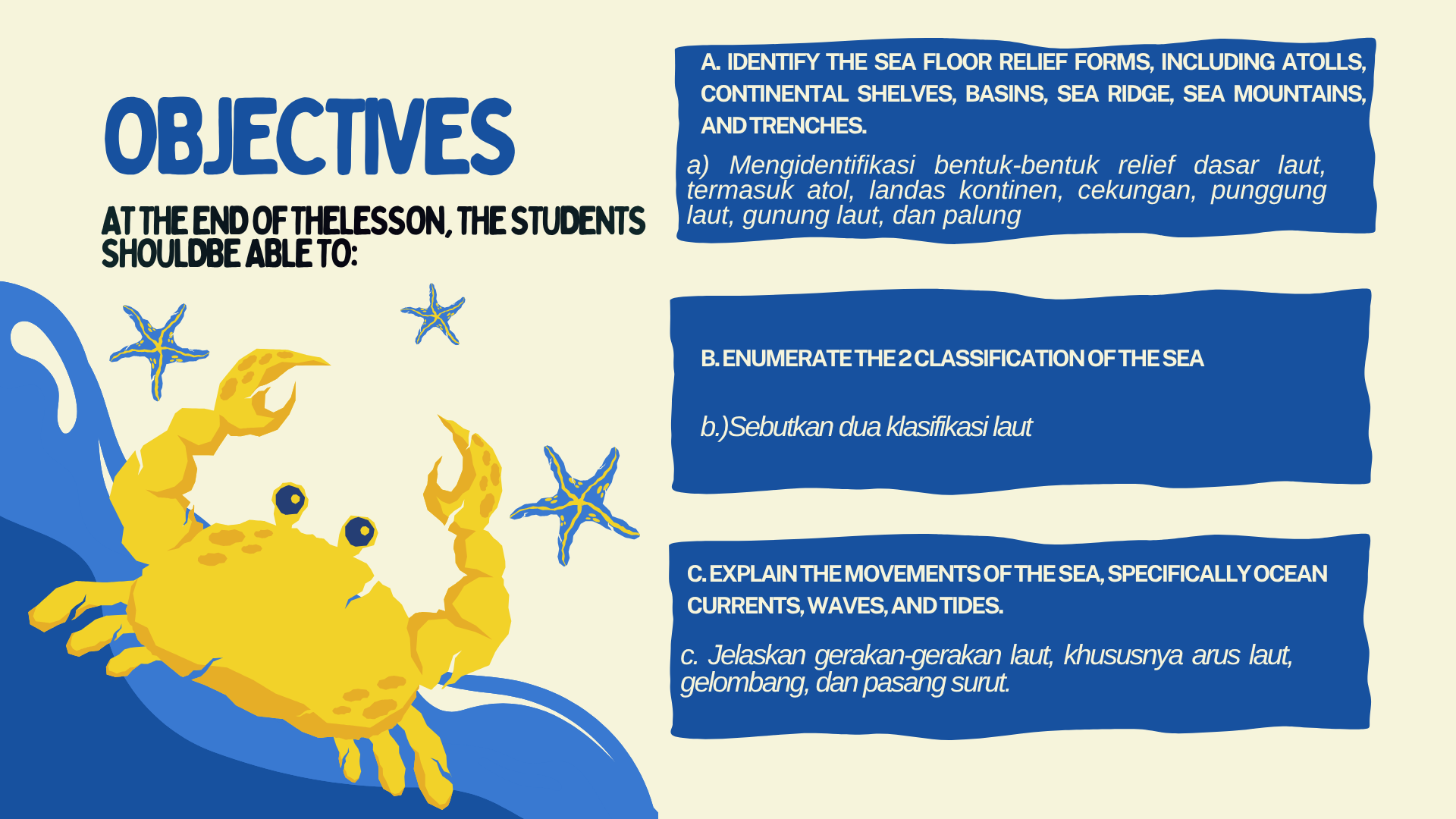
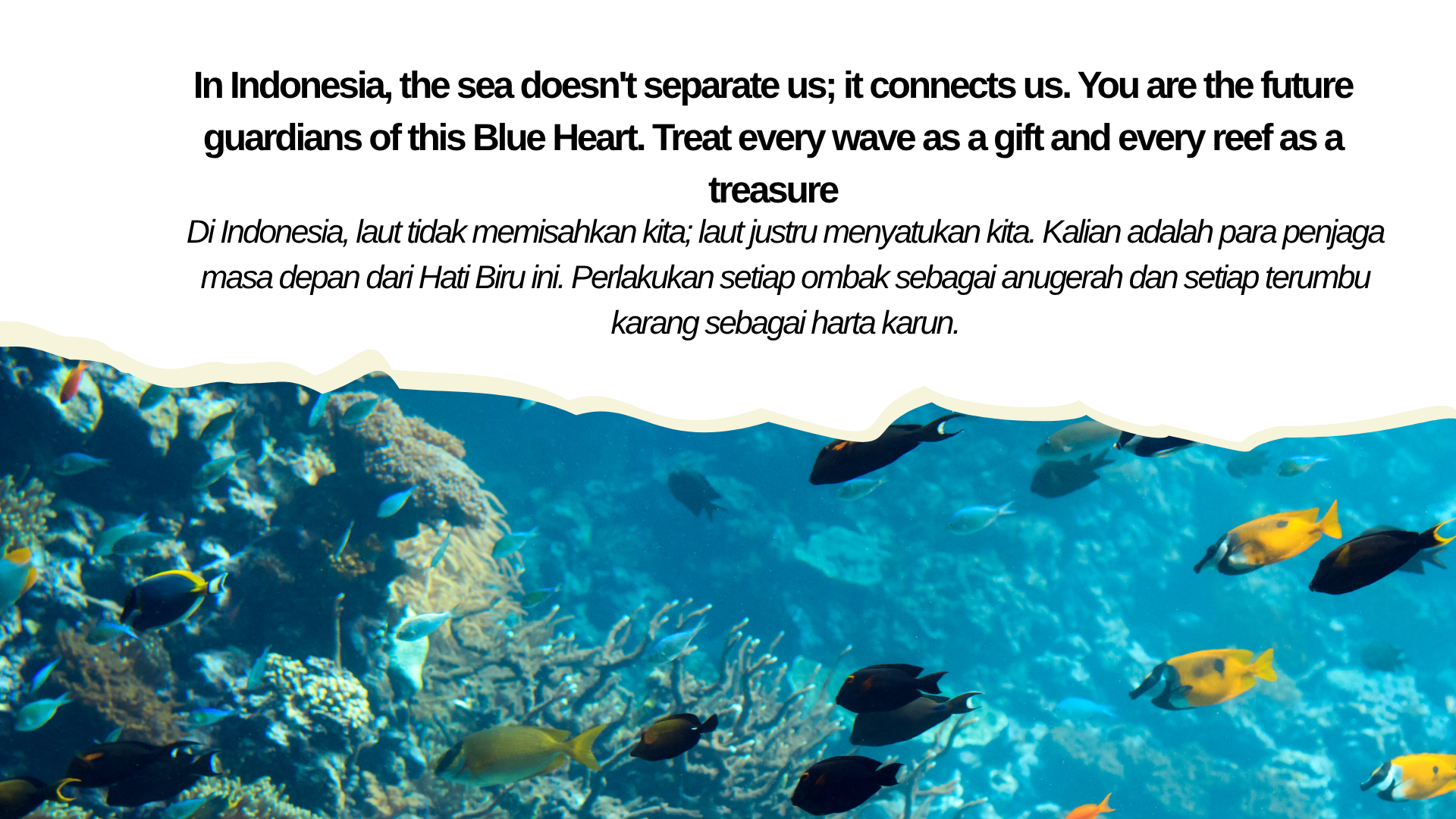
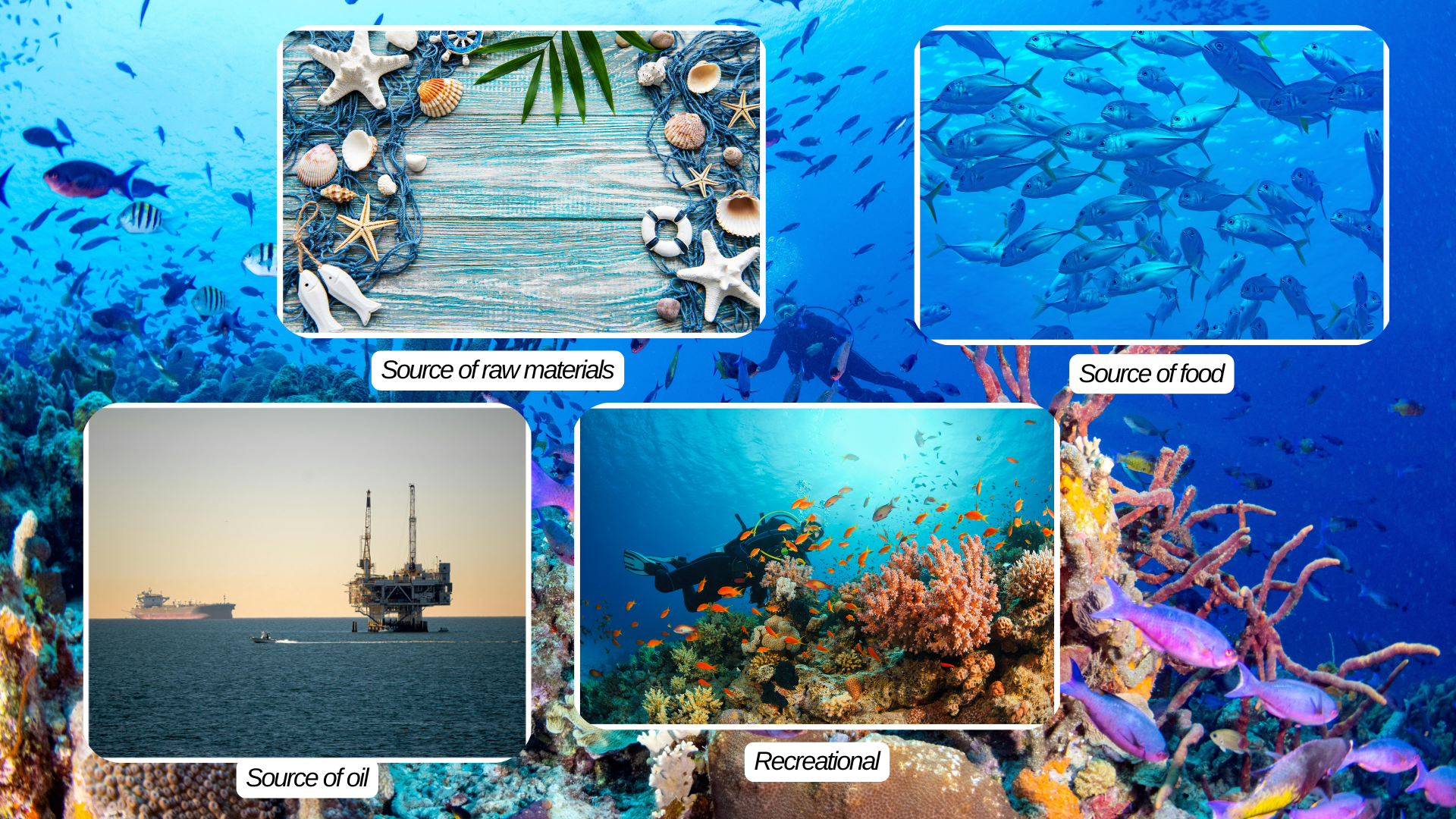
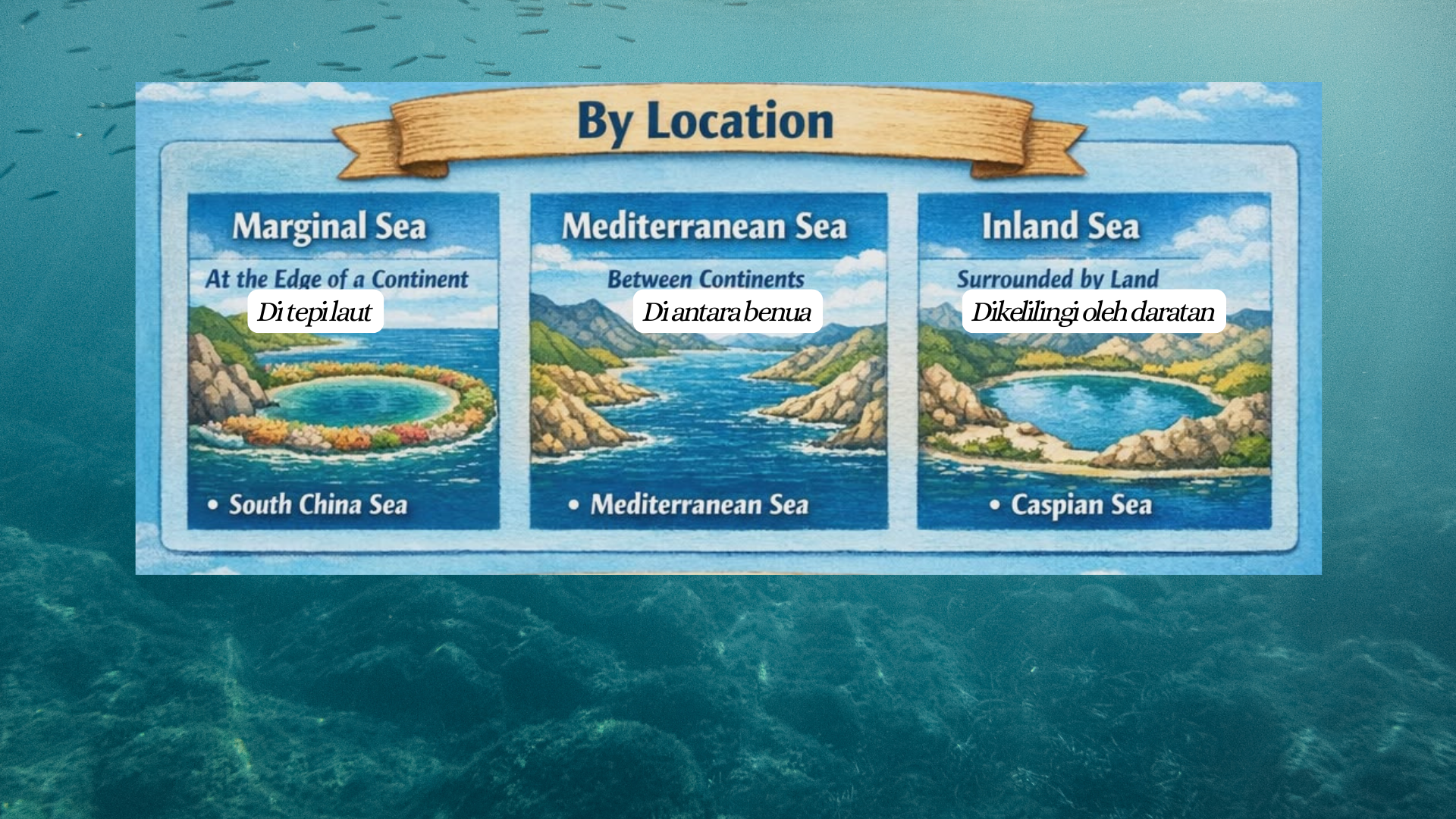
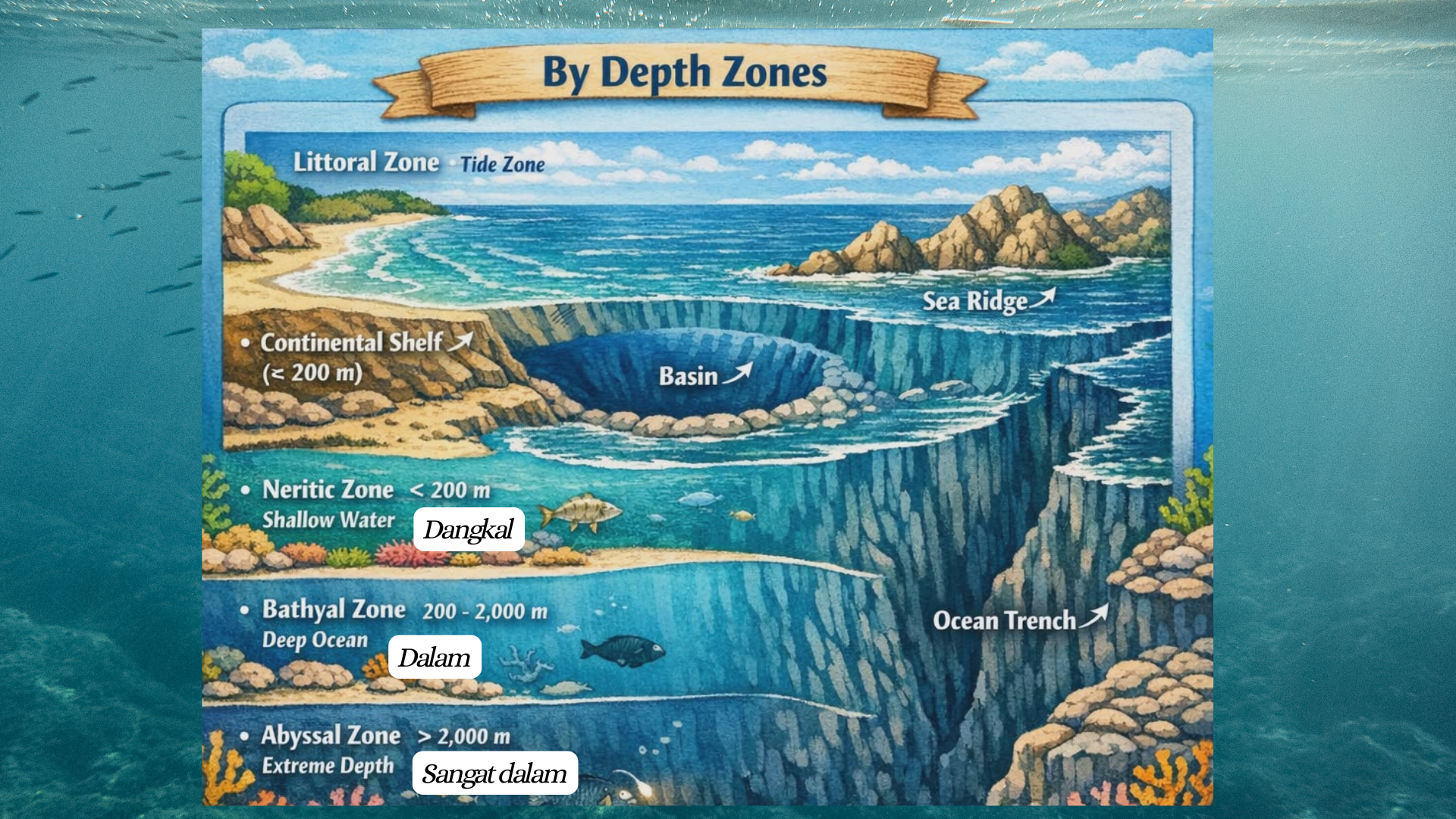
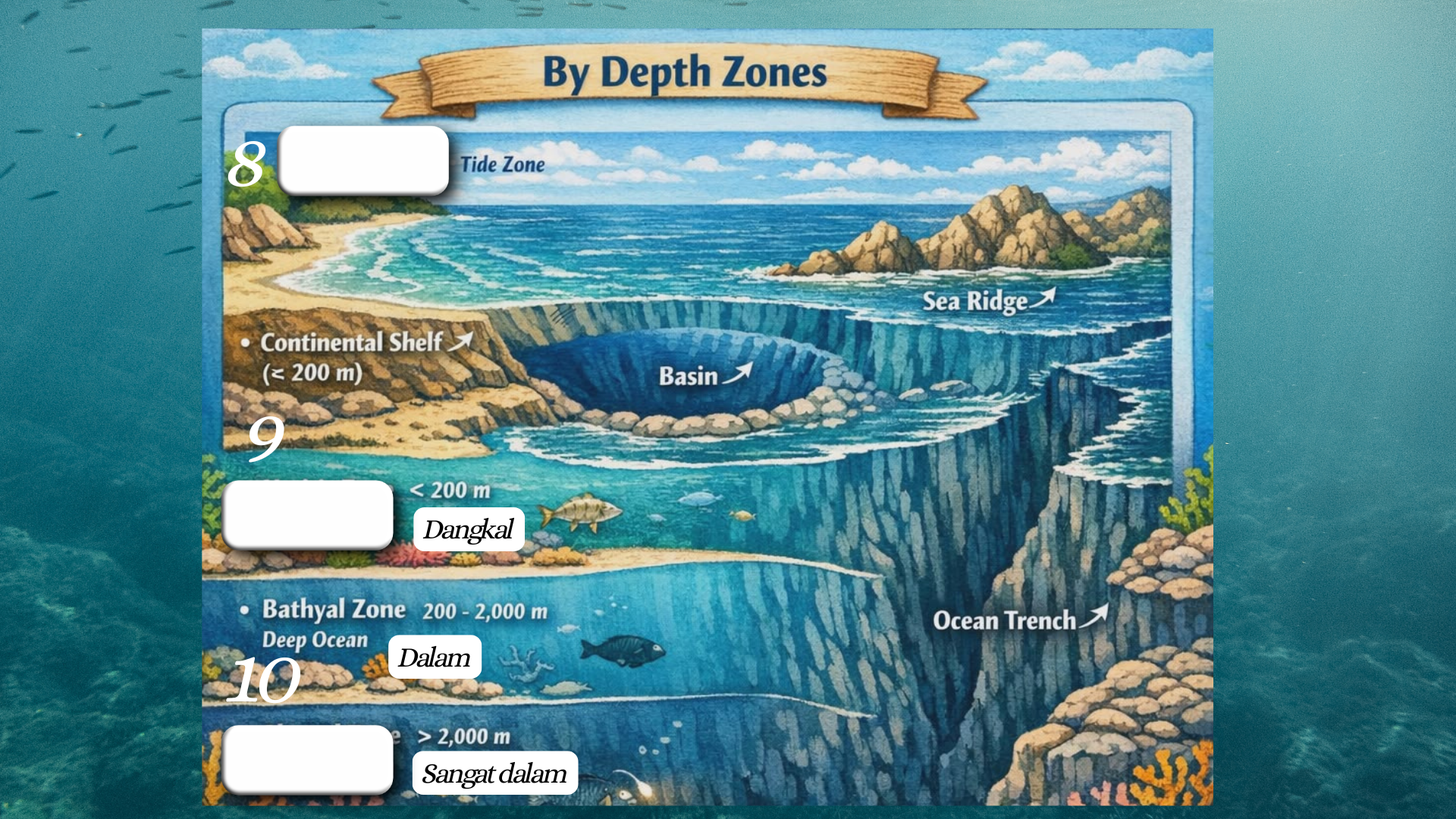
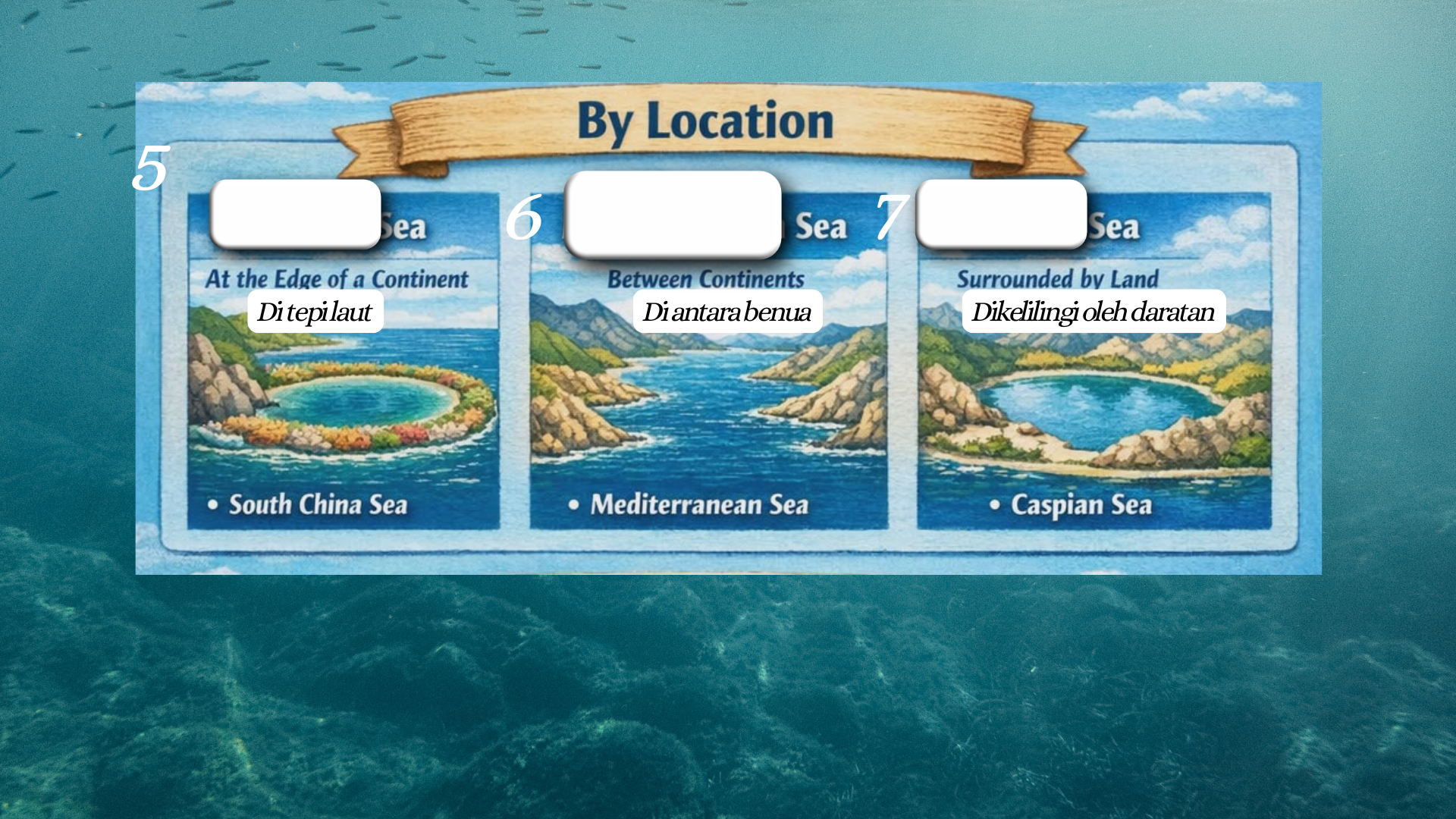
I brought them deeper into the beauty and richness of Indonesia’s oceans through videos. I explained that the sea is not just a flat surface we see from the shore — beneath it lies a hidden world of wonders. I showed them the morphology of the sea, its relief, the movement of the waves, and how the sea is classified by location and depth zones. Each zone has unique animals living in it and resources that can be harvested. Beyond that, the sea offers us countless benefits: it is a source of raw materials, food, and oil, and it serves as a place for recreation and connection. I concluded the class with this message: ‘In Indonesia, the sea doesn’t separate us; it connects us. You are the future guardians of this Blue Heart. Treat every wave as a gift and every reef as a treasure.


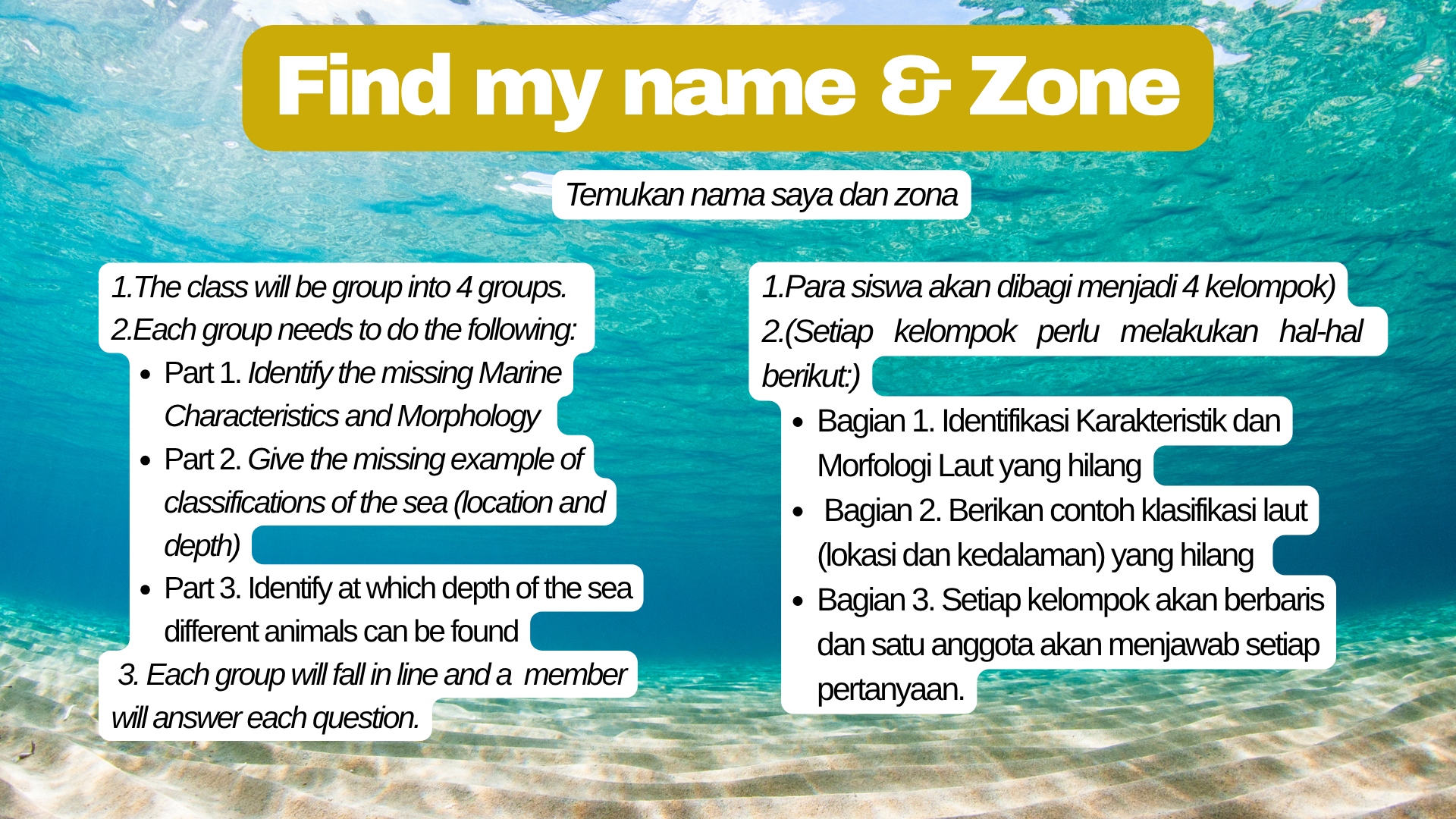
To assess if the students truly learned, we conducted a simple activity I called Find My Name and Zone. In this activity, students identified the missing names of sea reliefs, classified the seas, and matched animals to the zones where they could be found. This interactive assessment allowed them to apply their knowledge while staying engaged.


Teaching in a different country taught me that language is not the only medium of communication. Love, creativity, and storytelling can bridge gaps that words cannot. By turning lessons into stories, games, and experiences, I discovered that students don’t just learn facts — they feel them, remember them, and carry them forward. That is the true power of teaching: to connect hearts and minds, even across oceans.




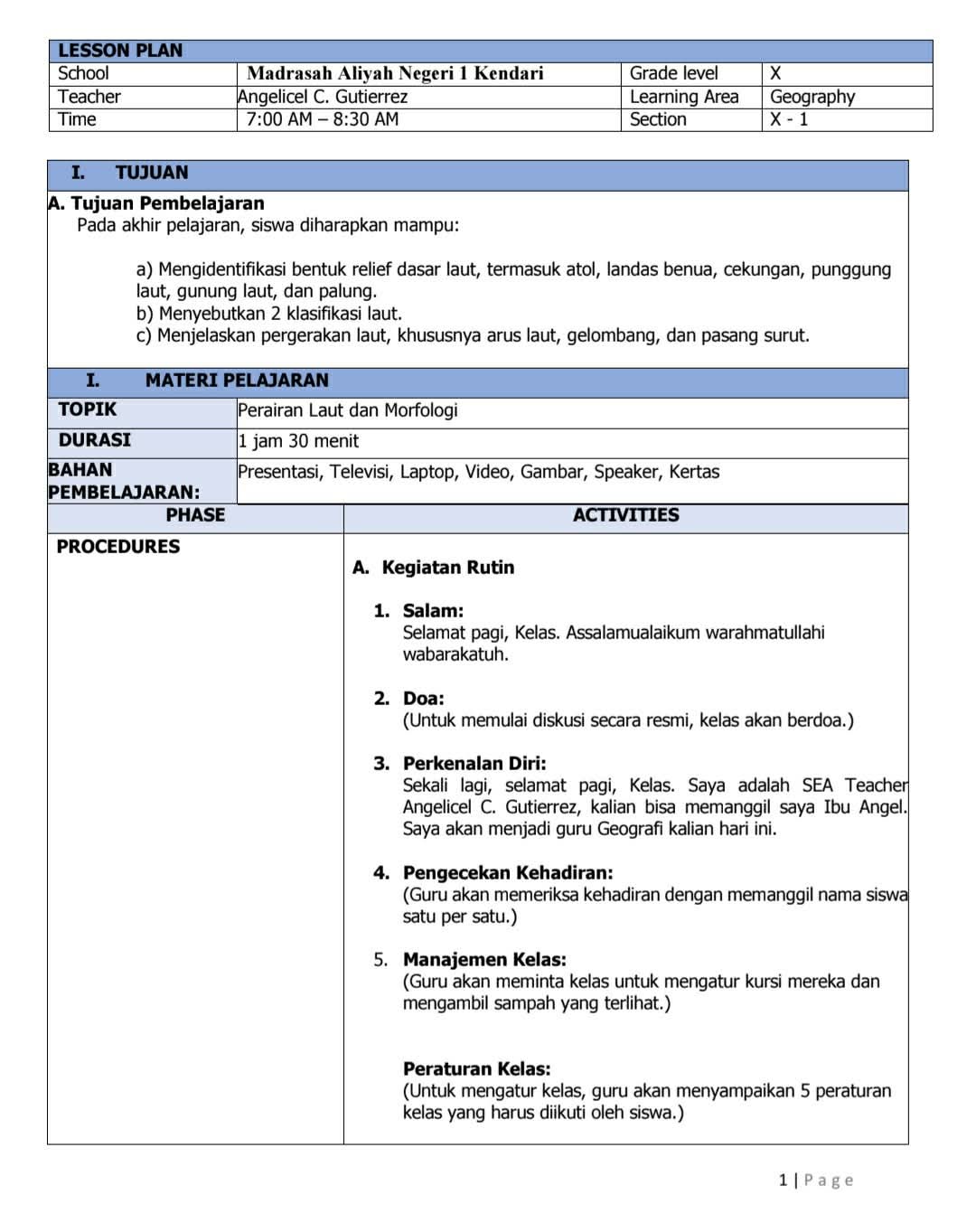
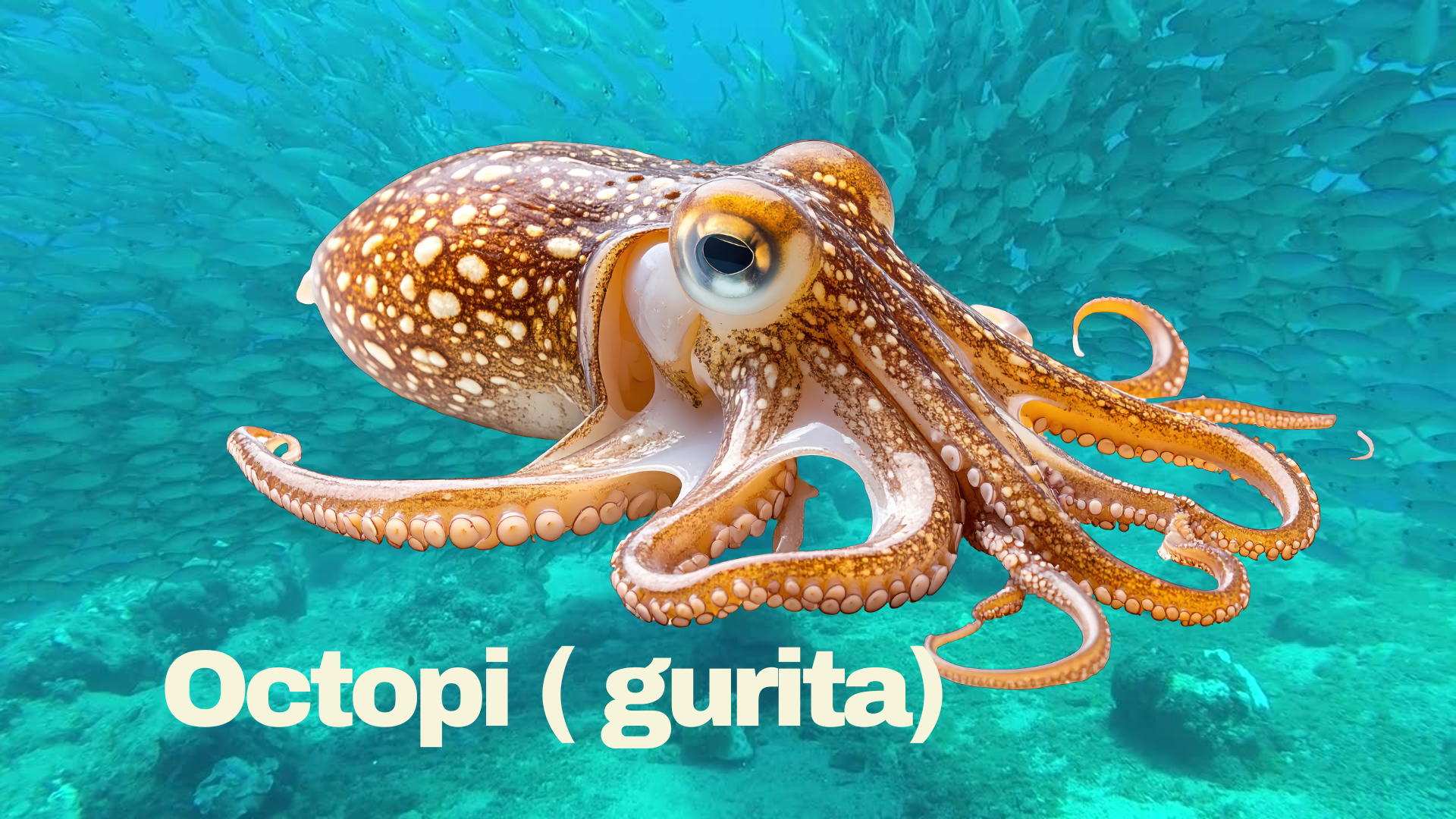
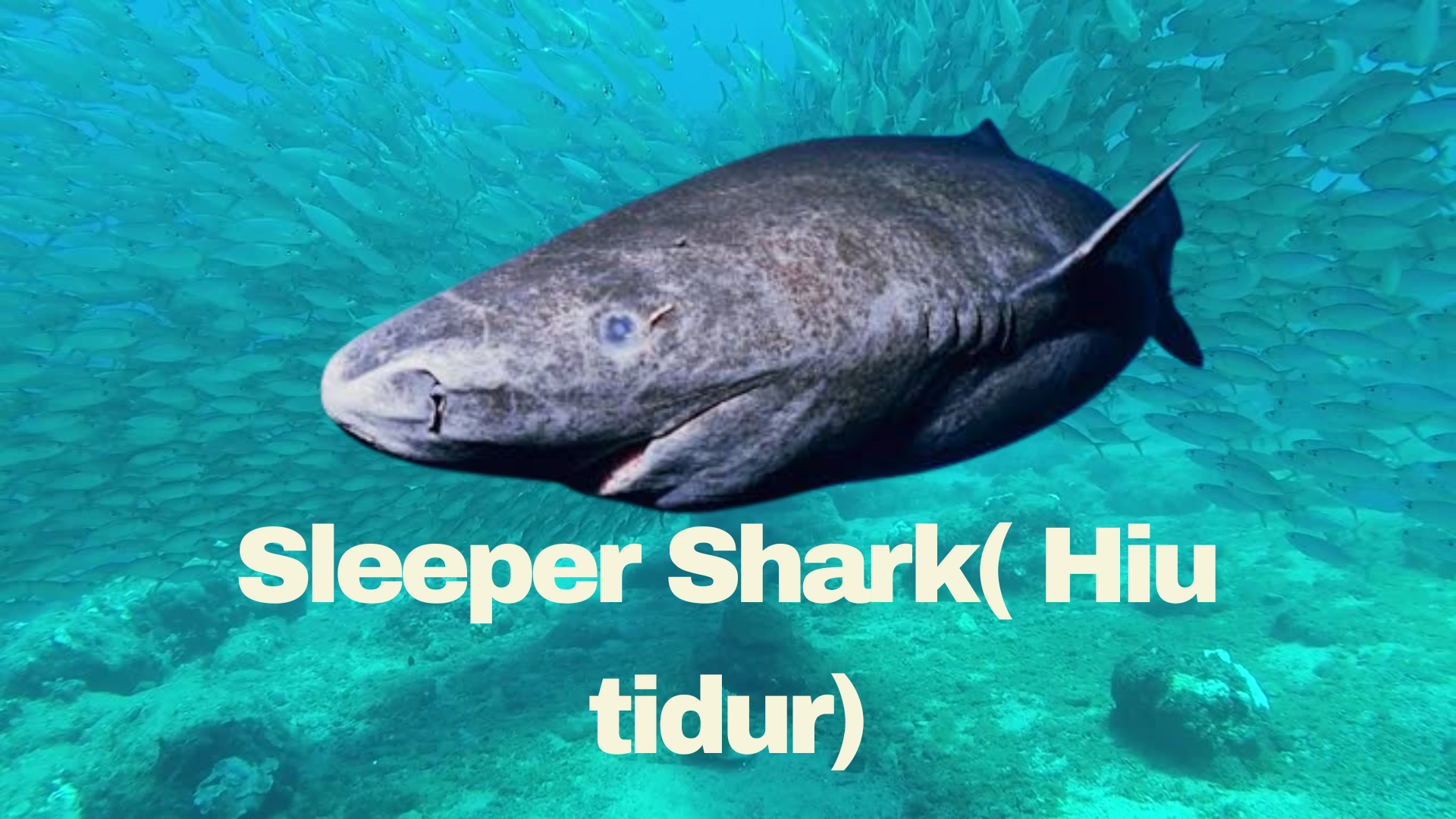
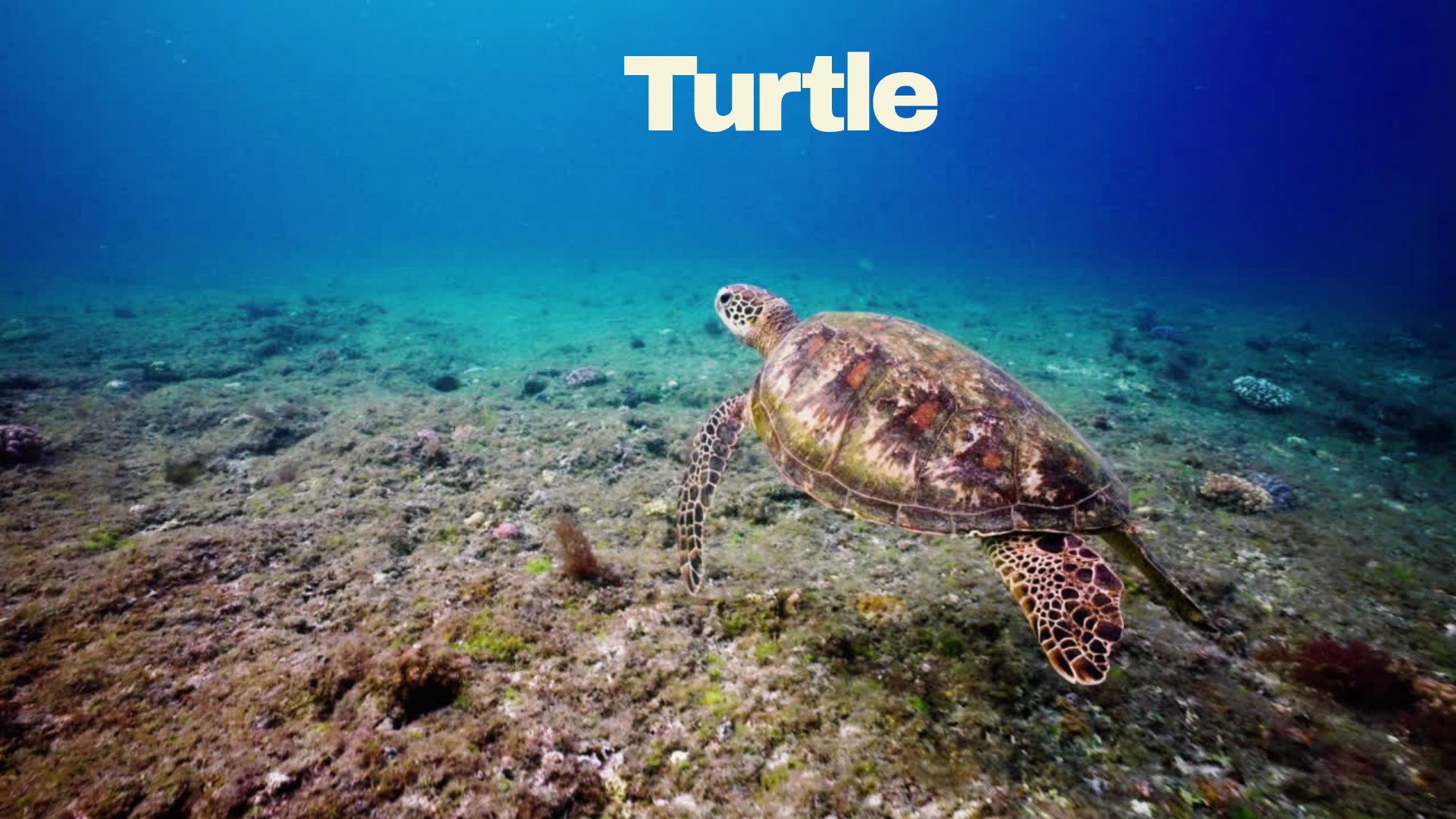
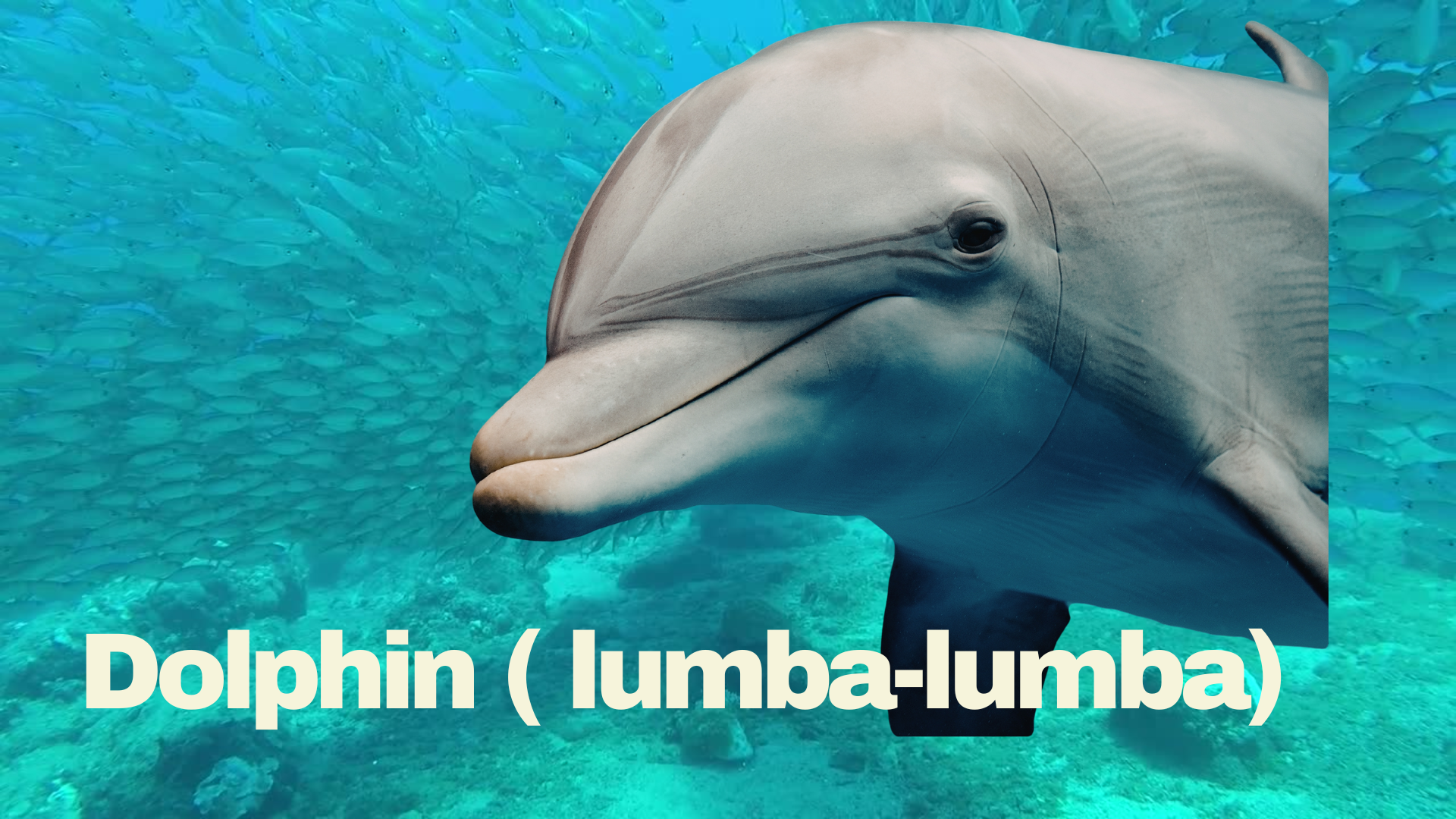


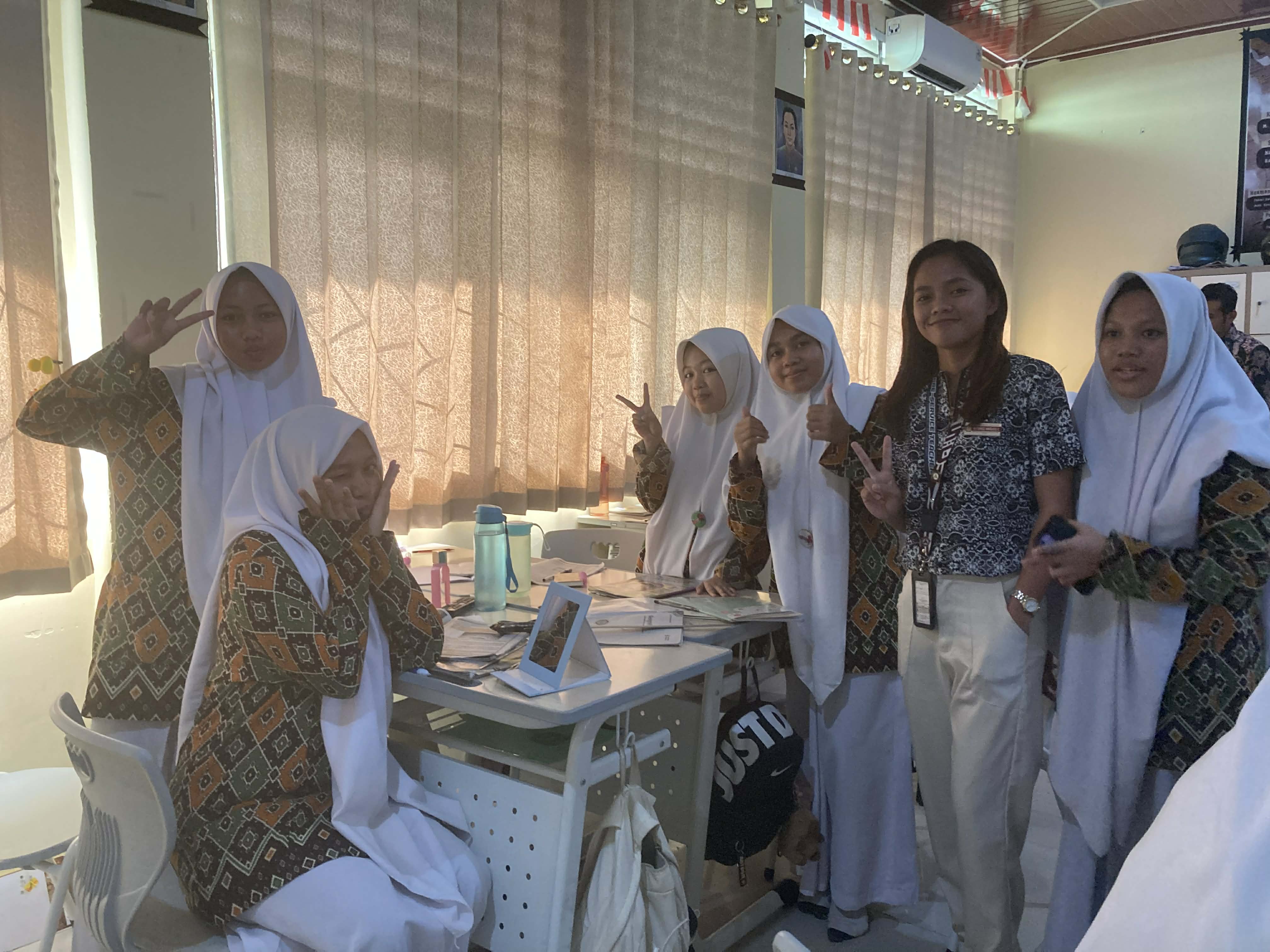
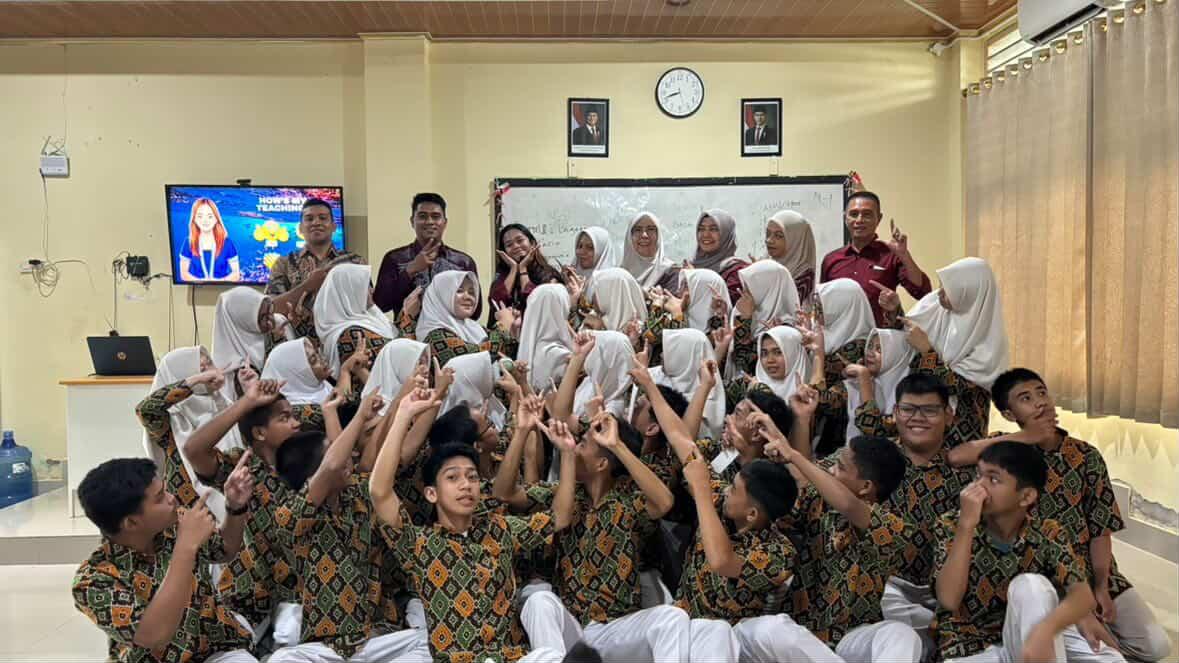
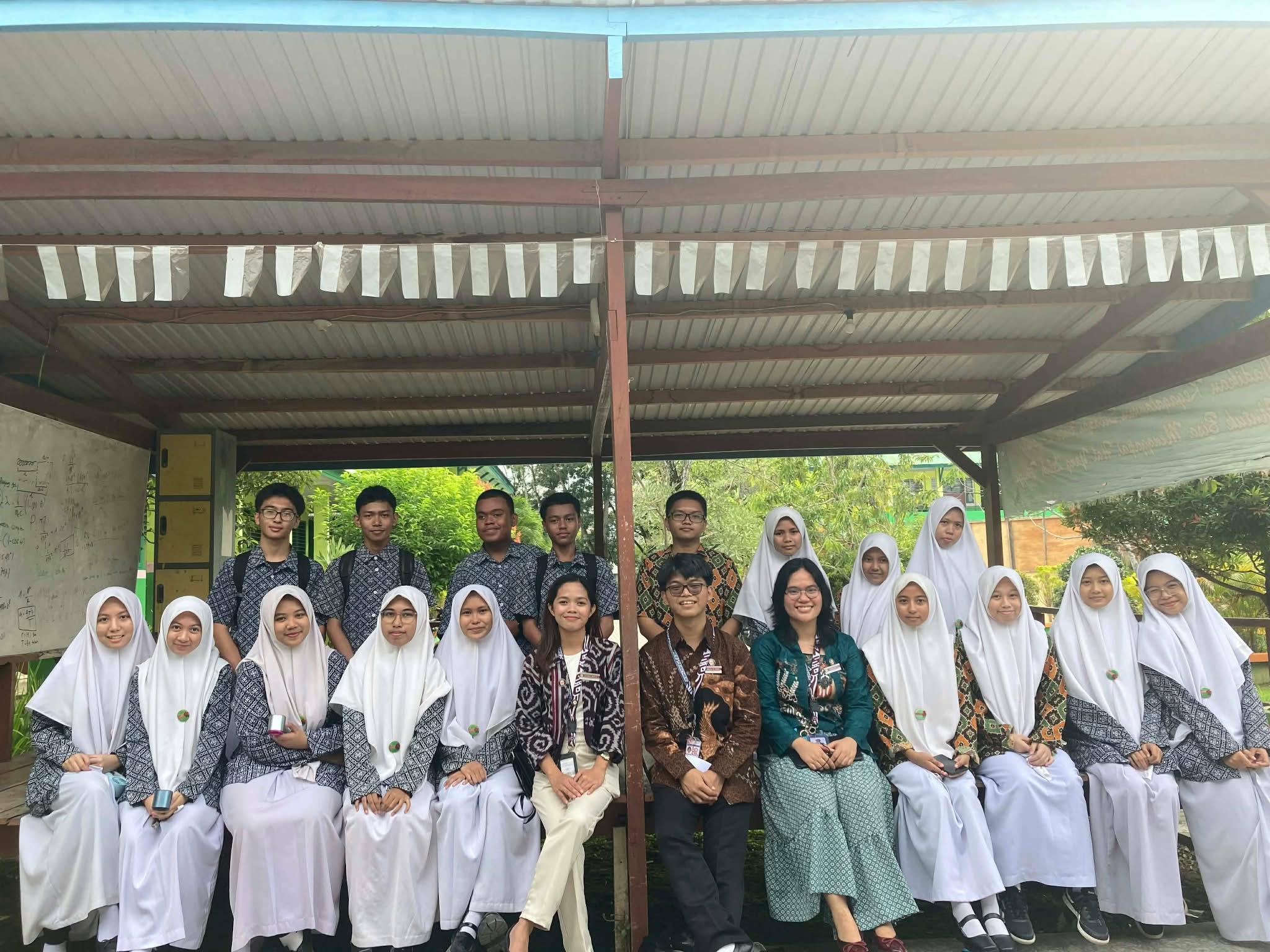
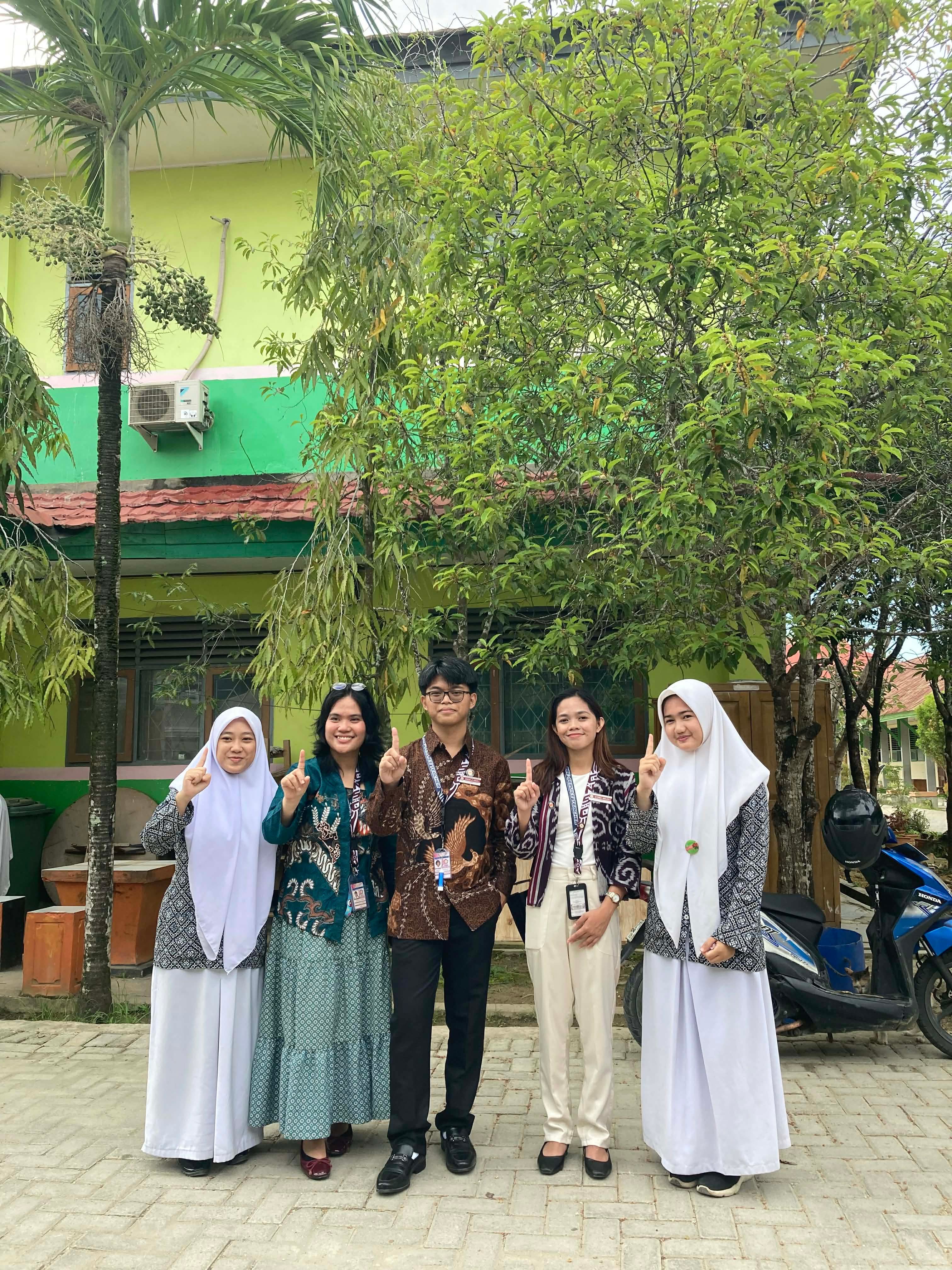
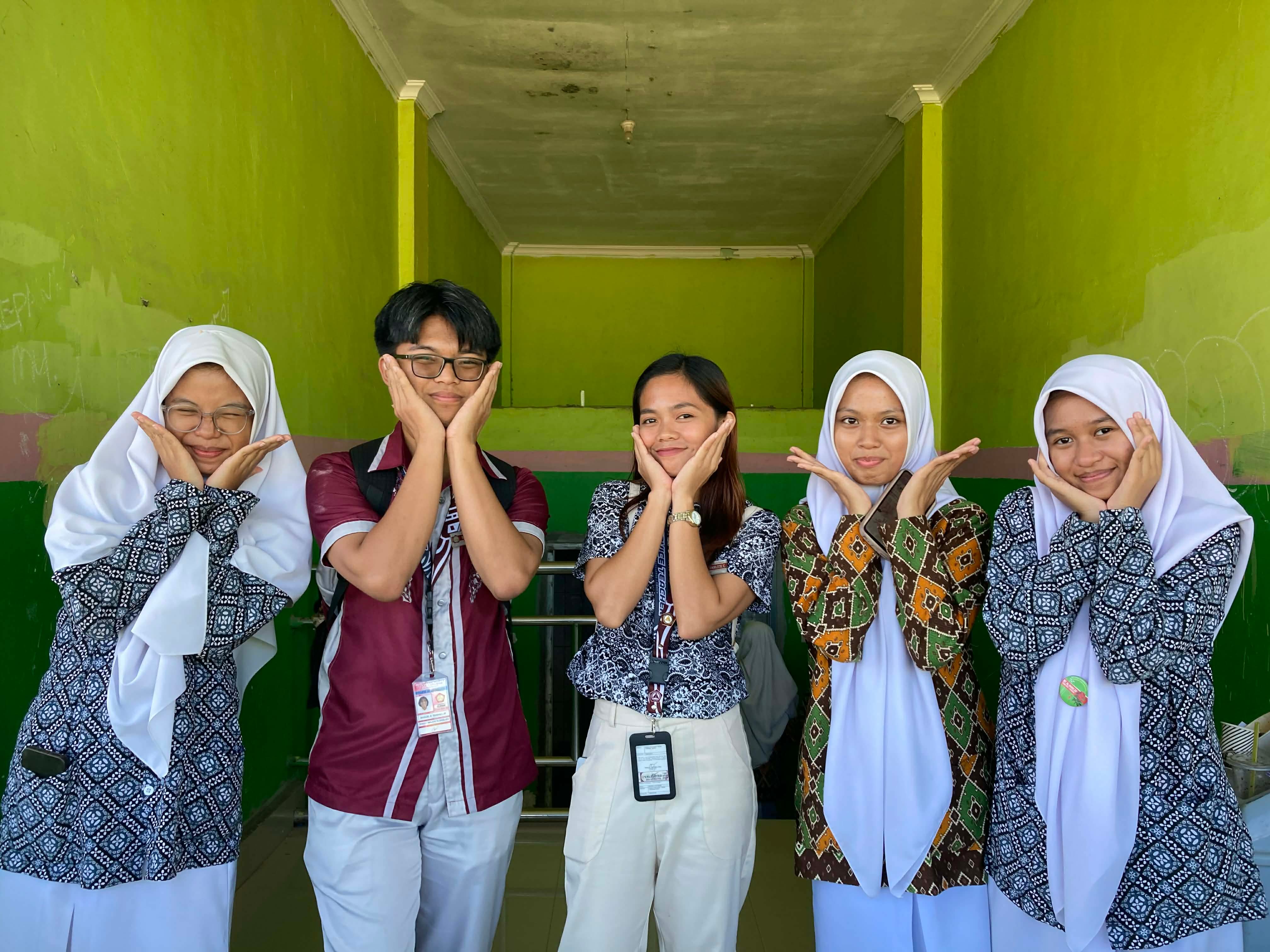
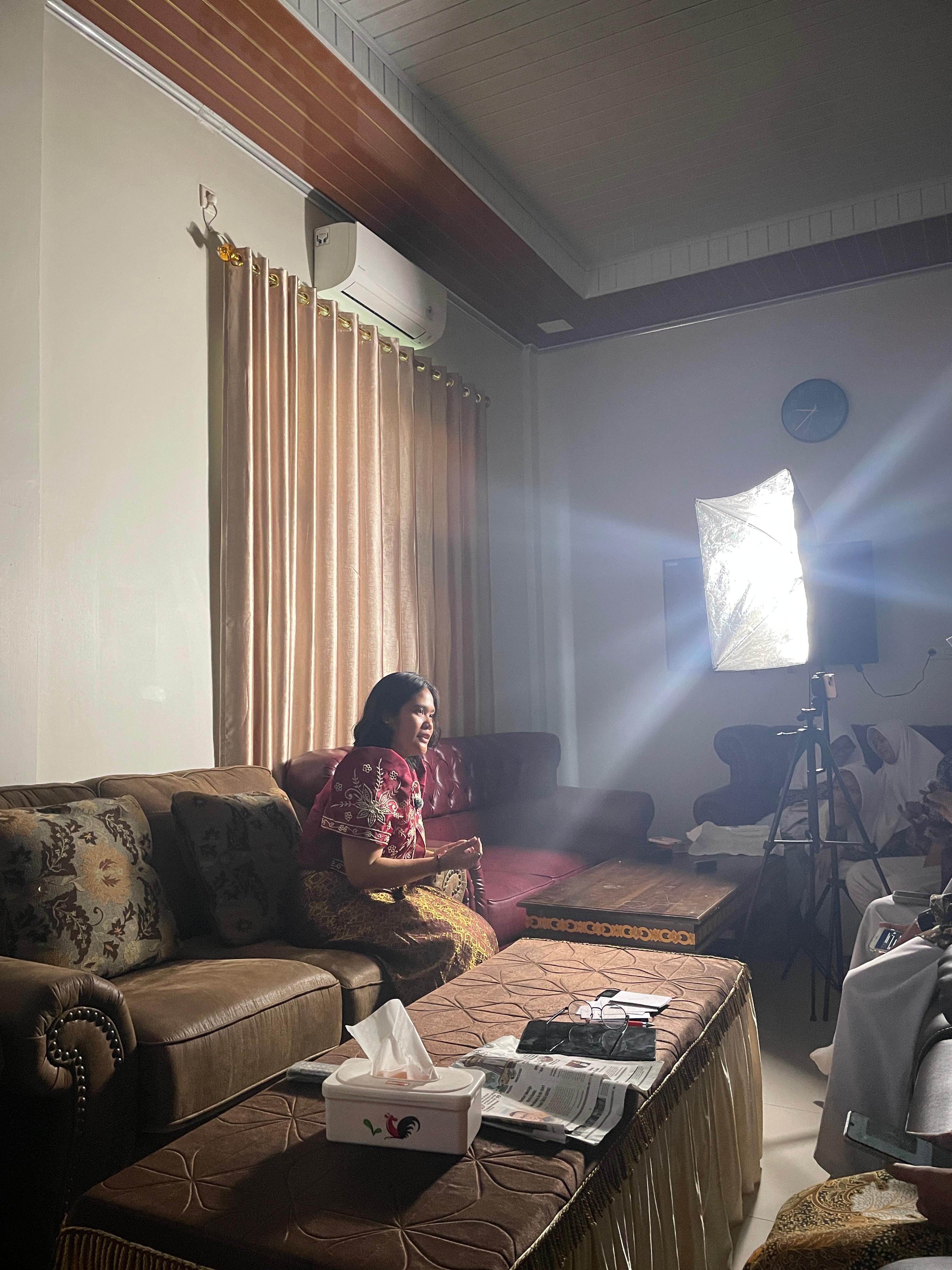
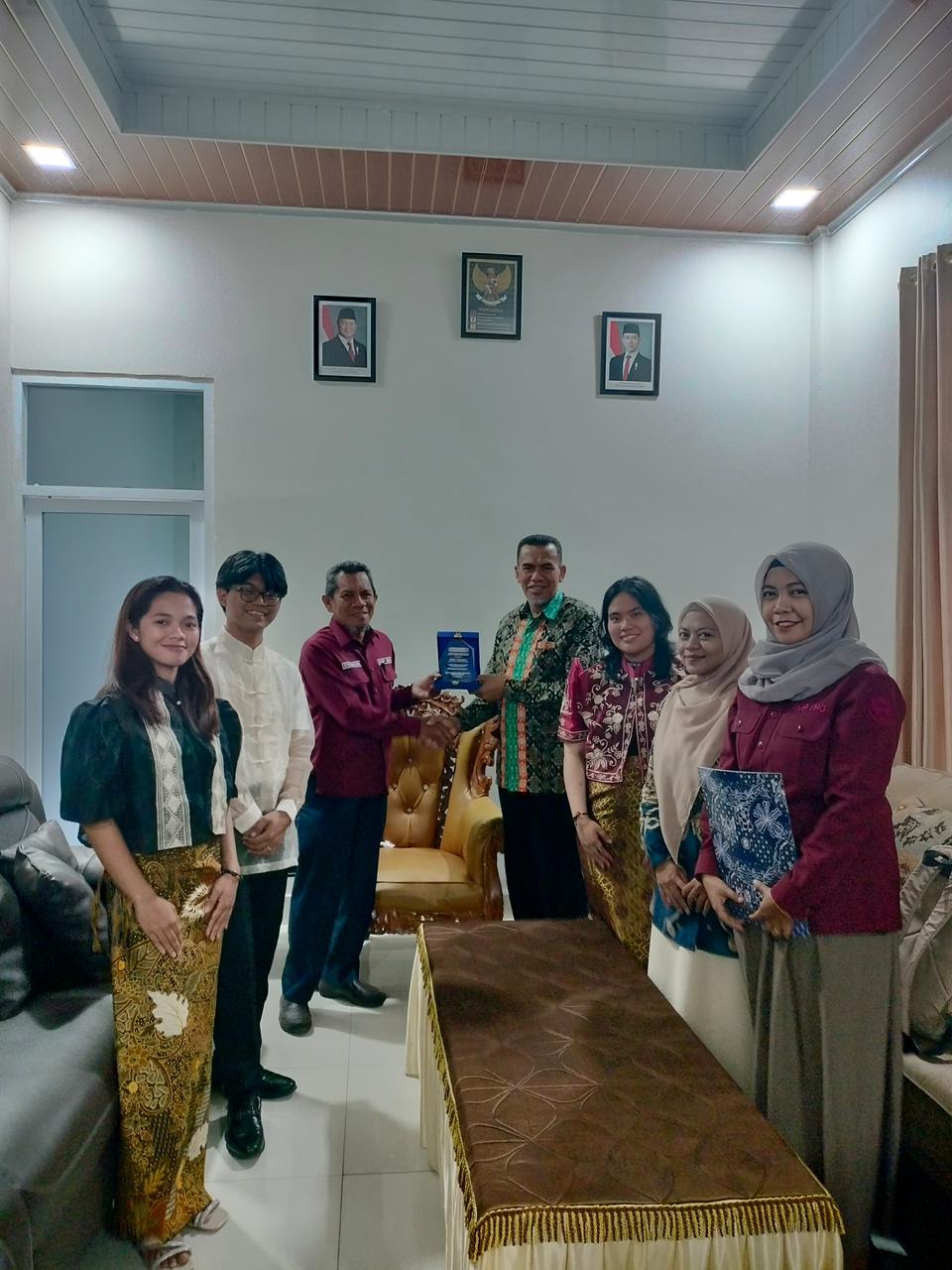
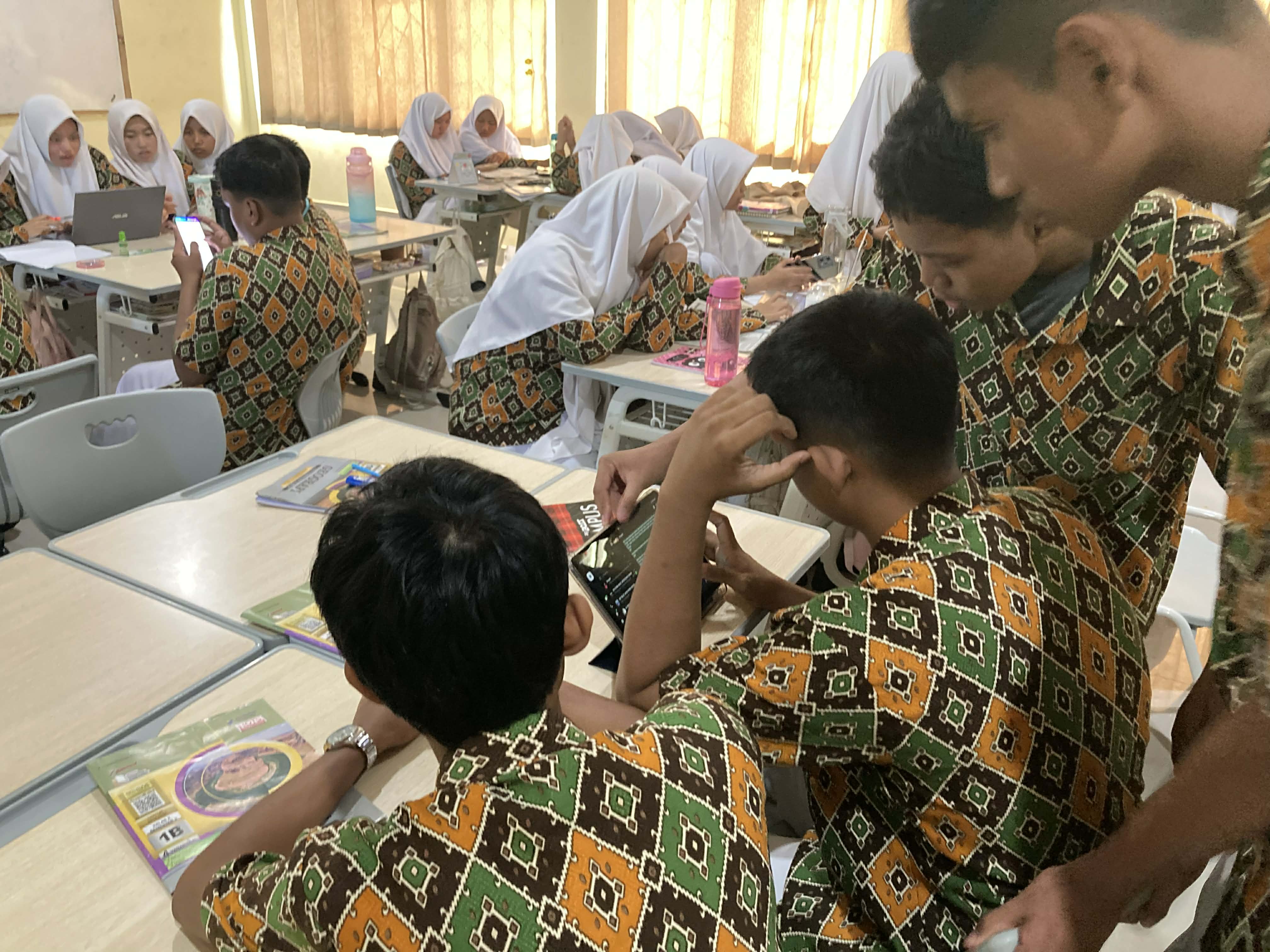
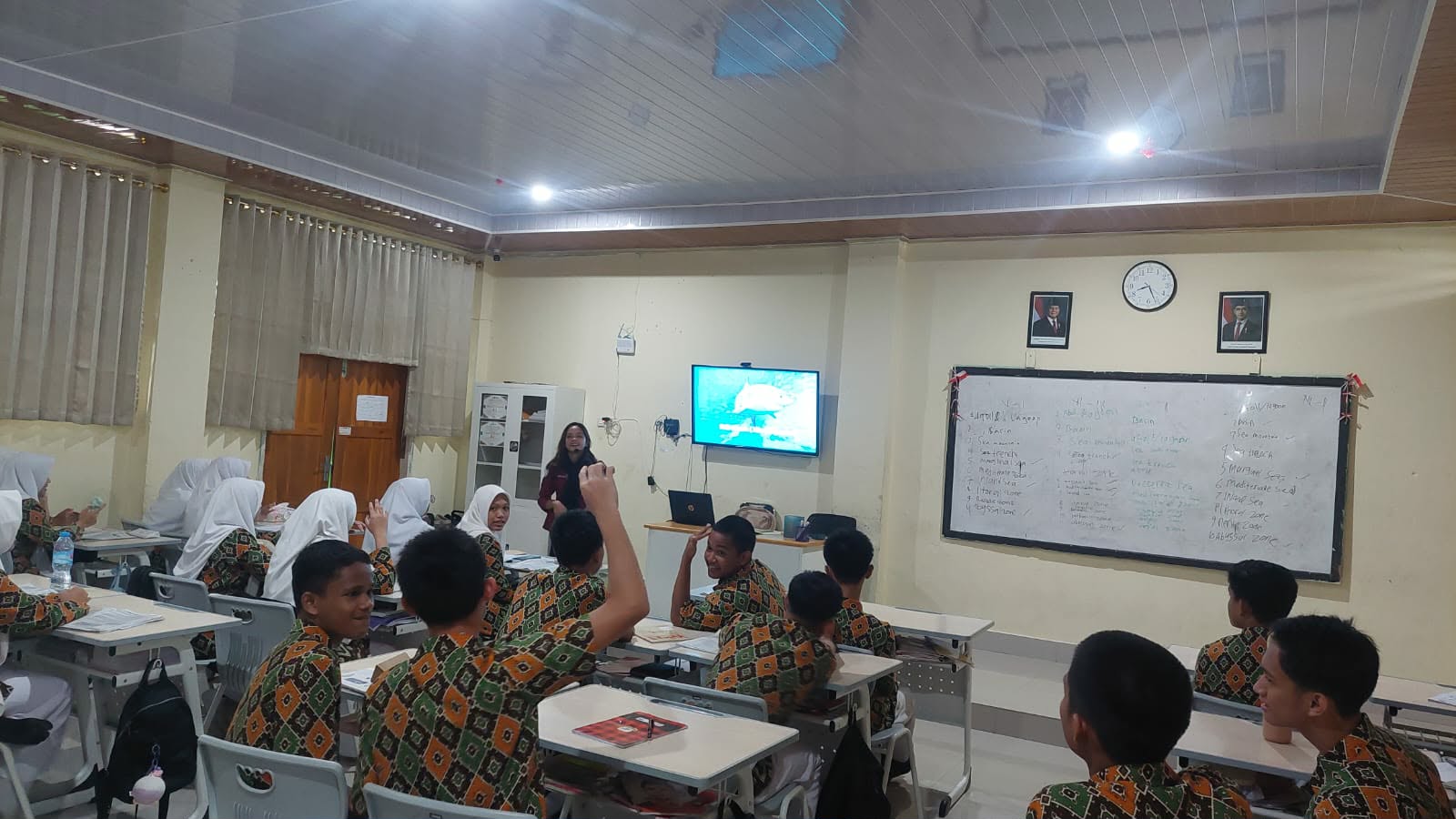
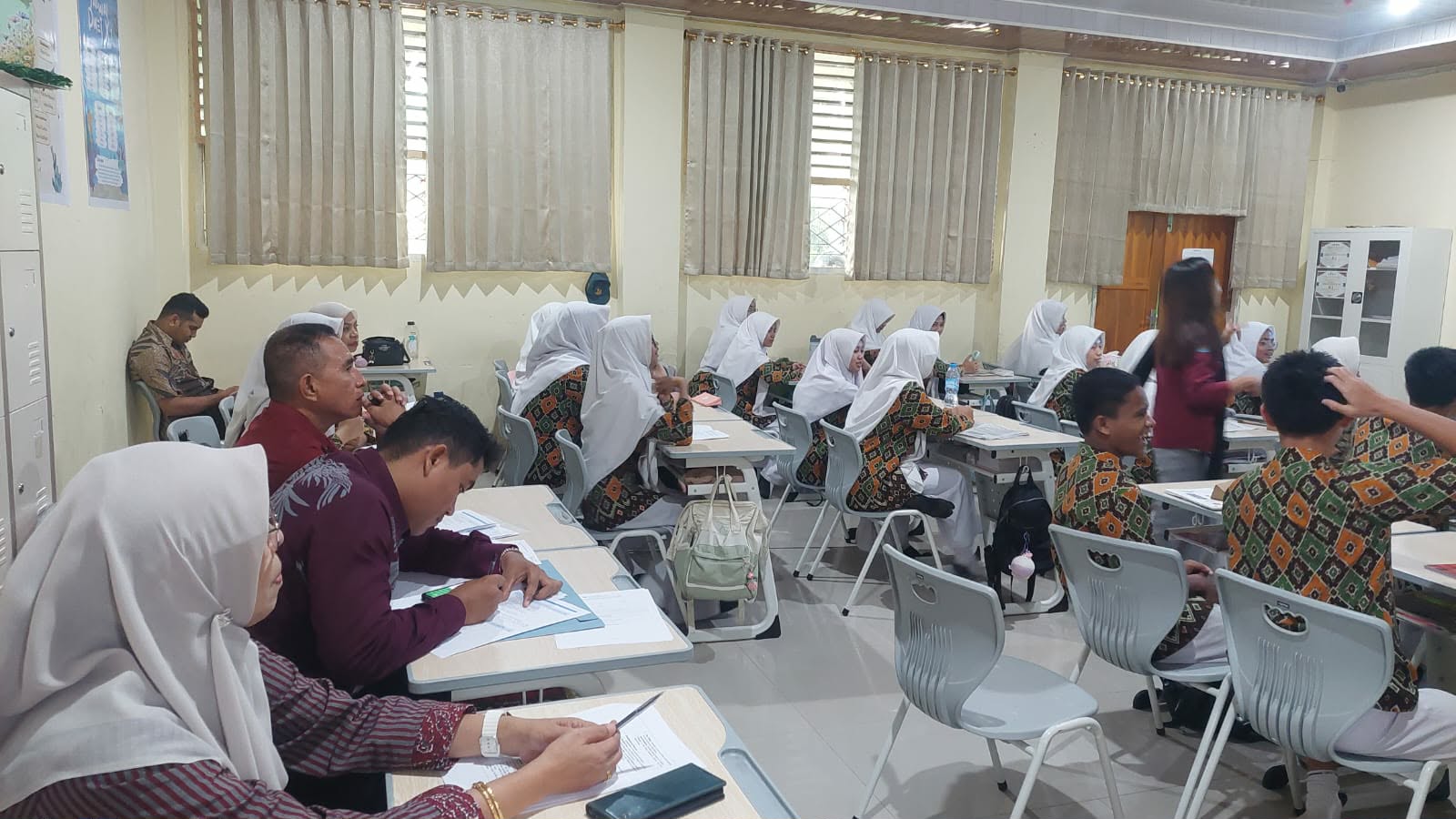
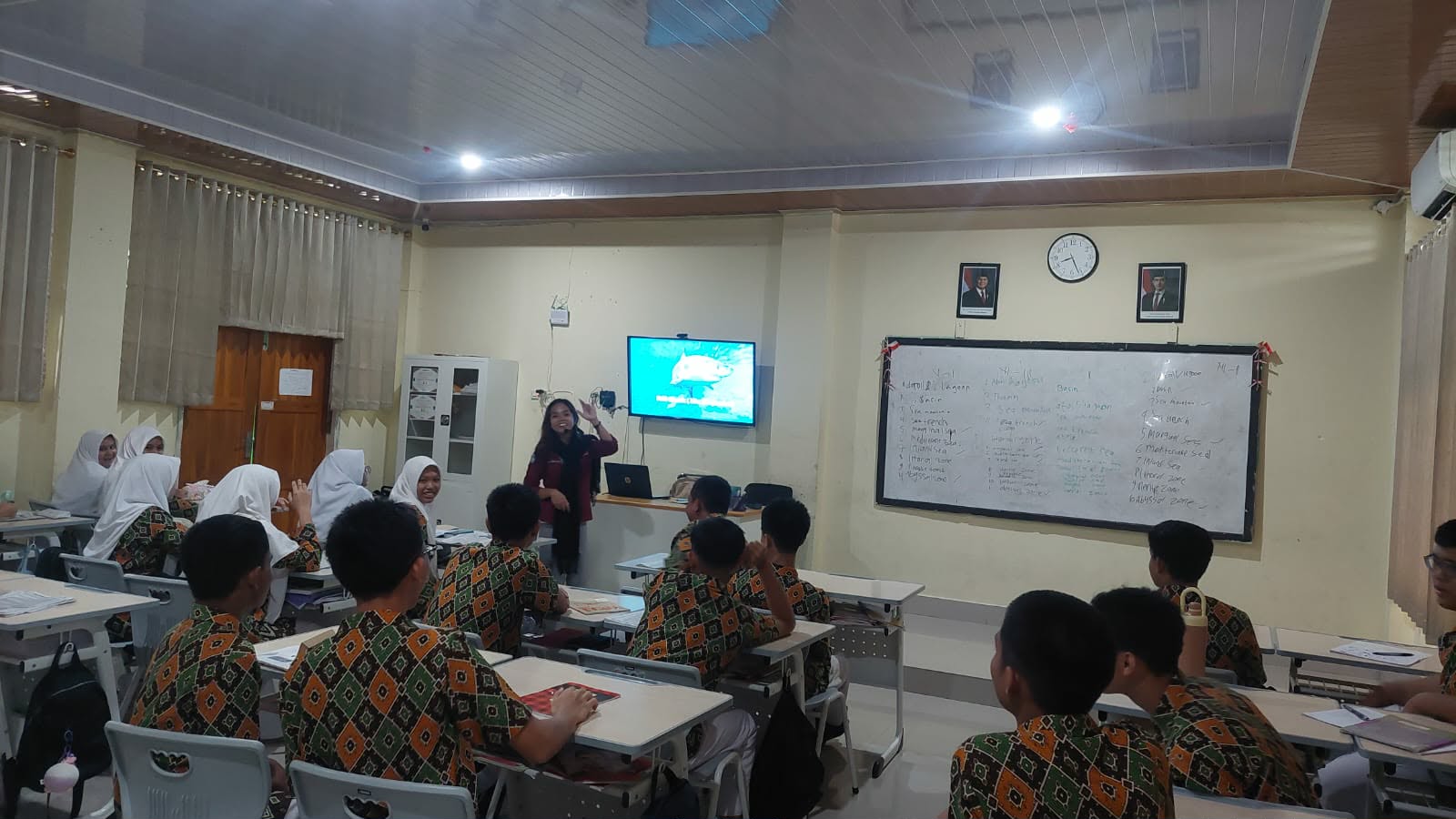
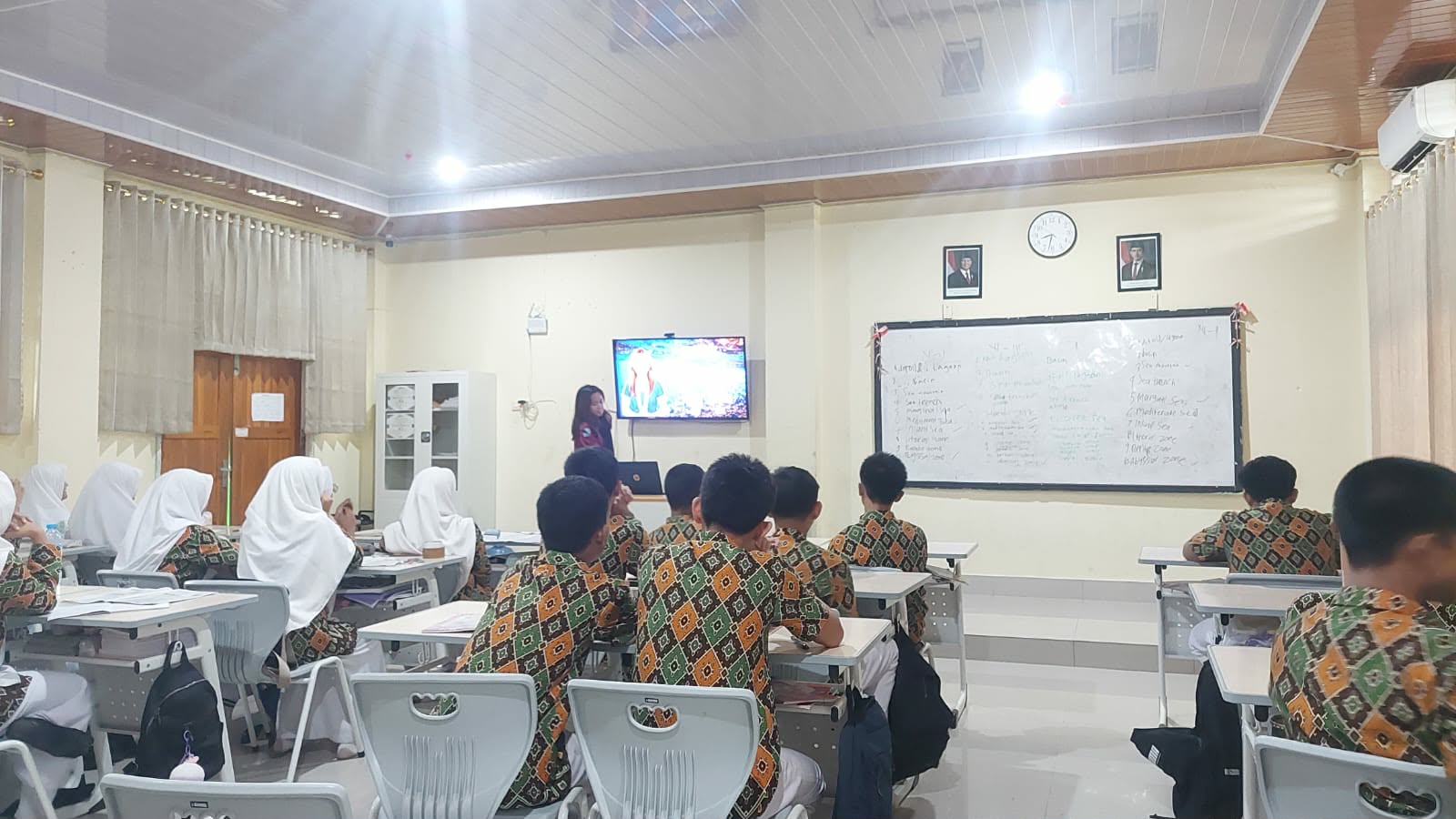
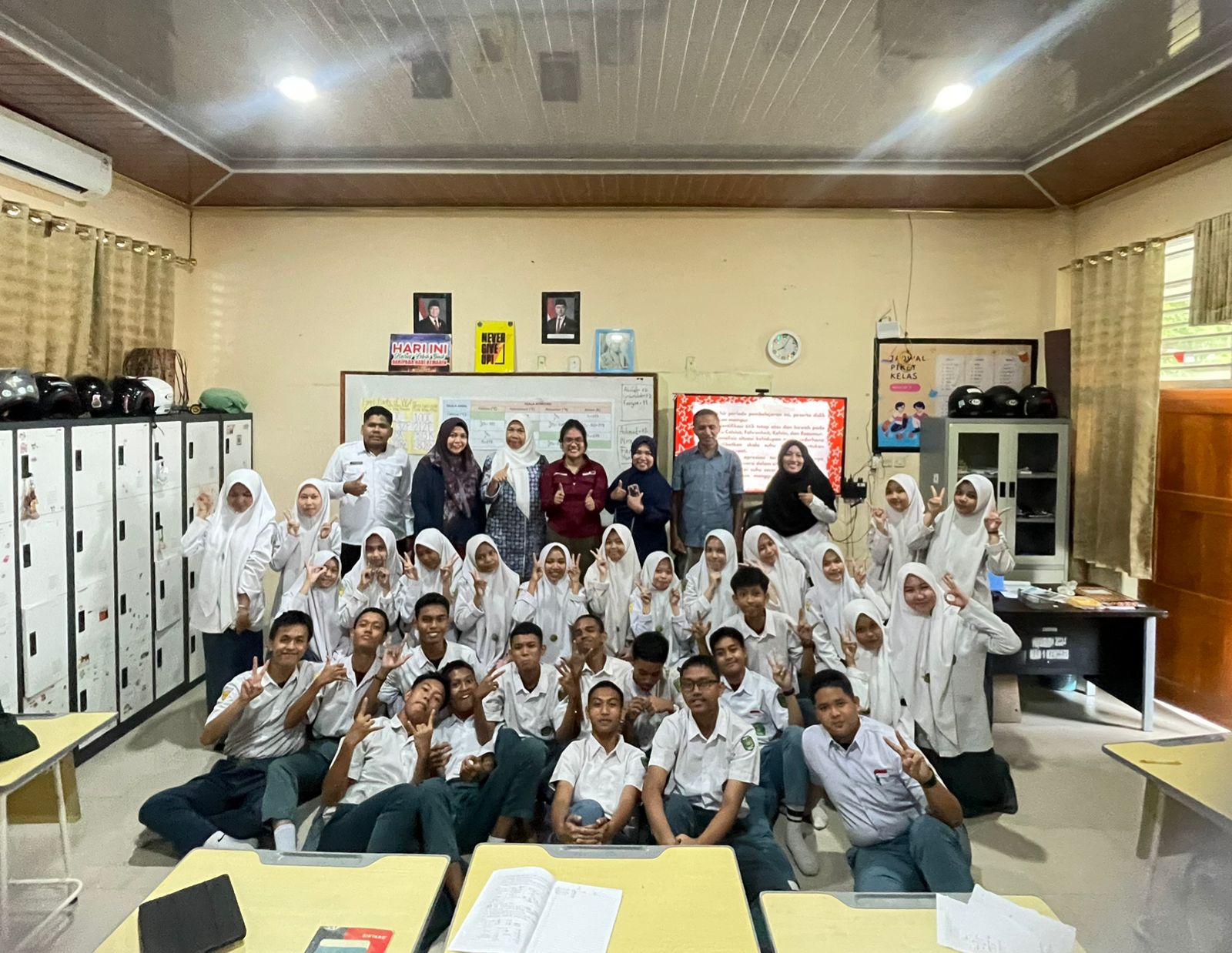
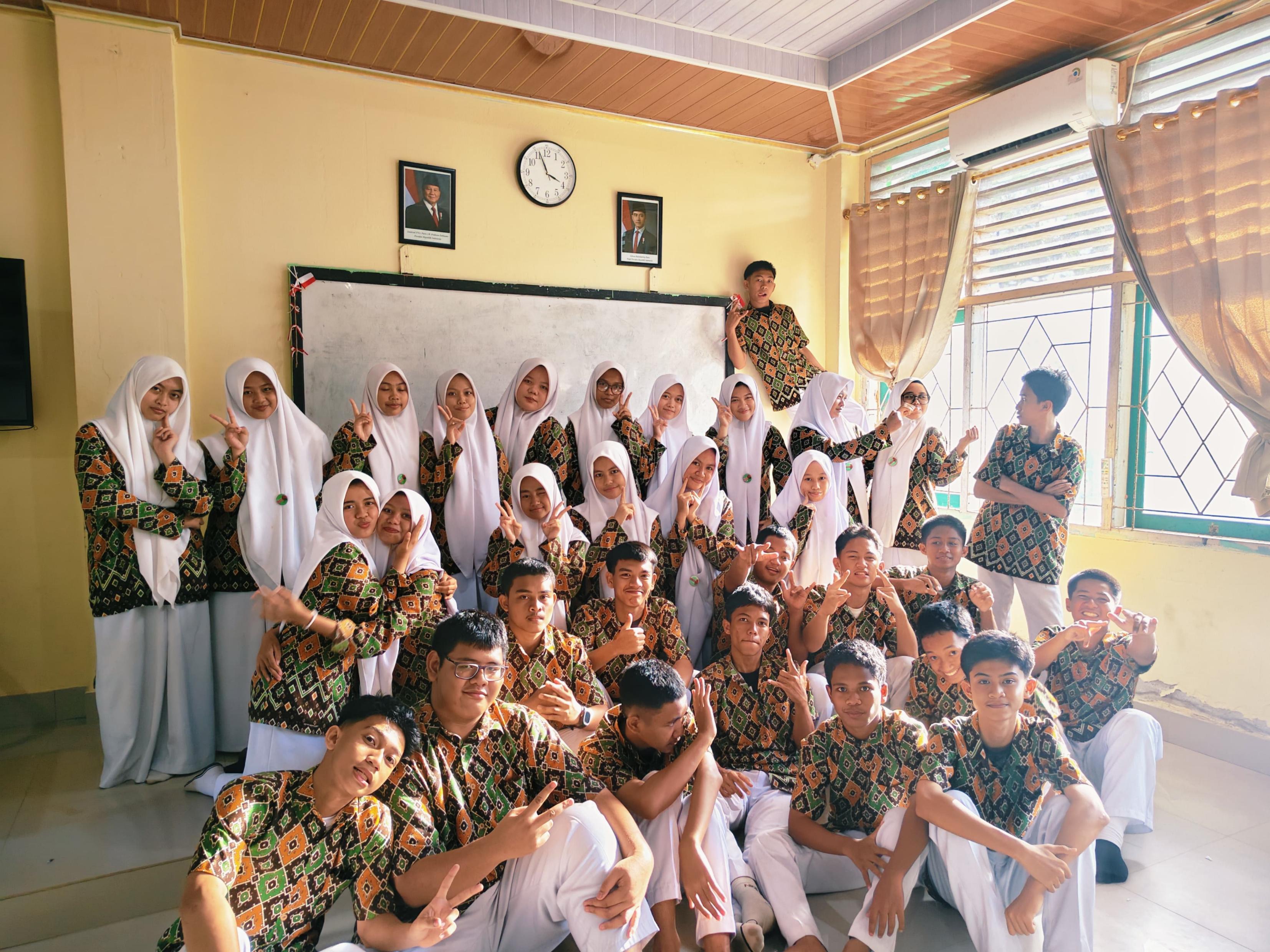
You don’t need to be perfect, and you don’t need to be the best at teaching. What truly matters is that you teach so children can learn — not just to earn high marks. You don’t need to use complicated English words or speak quickly just to prove you’re a great teacher. Sometimes, intelligence and skill must be adjusted to fit the situation. In my experience, I slowed down my speech, learned a few of their words, used pictures and videos, and turned my lessons into stories. In this way, we met halfway, and I was able to deliver the message and ideas of my lesson beyond the limits of language. After a month, I realized that the life of a teacher should not revolve only around mastery of content and pedagogy. It must also be rooted in the heart. Because sometimes, skill alone is not enough — what is needed is a heart that adjusts to the learners, and a heart that connects beyond words.